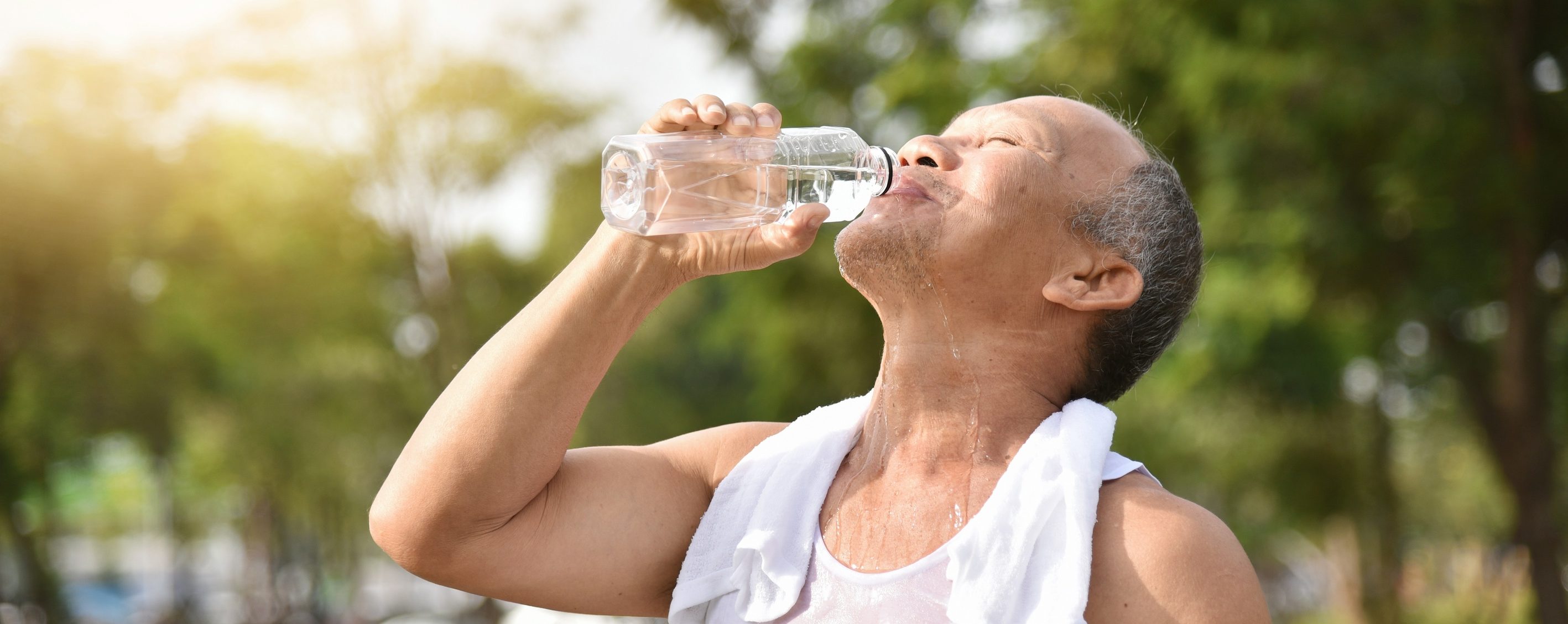
Climate change is already affecting human health in ways that have direct implications for how we age. Heatwaves are becoming more frequent and more intense, bringing particular risks for more vulnerable older adults. As we age, our bodies become less efficient at regulating temperature, making us more vulnerable to heat-related illness, dehydration and cardiovascular problems.
The Places We Grow Older
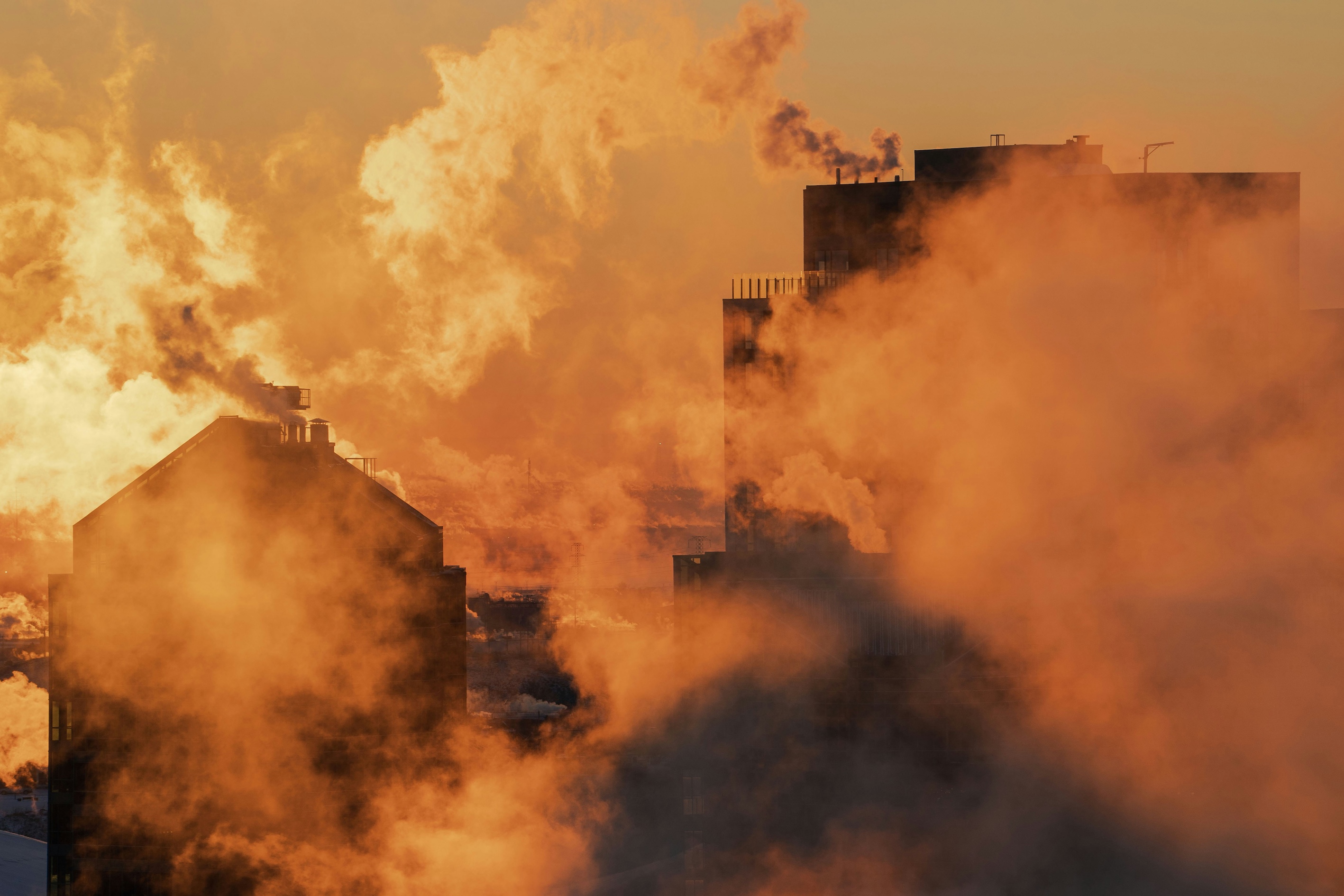
But the impact of climate change is not always dramatic or sudden. Often, it shows up in less obvious ways that build over time: longer pollen seasons, poorer air quality, hotter summers, or the gradual arrival of health risks that were once uncommon in our communities.
Extreme weather can also disrupt the things many of us rely on to stay well, from healthcare services and access to medication to transport, social connection and community support. Together, these changes remind us that the places where we grow older profoundly shape our health, independence and wellbeing.
These are not simply environmental challenges. They are healthy ageing challenges too.
As we mark this year’s World Environment Day, it feels like an important question to ask, “Can we really achieve healthy longevity on an unhealthy planet?”
Because while climate change and longevity are often discussed separately, they are becoming increasingly difficult to untangle. The reality is that there can be no healthy longevity on an unhealthy planet.
And for most of us, this matters. The vast majority of people will not have access to cutting-edge longevity treatments, expensive diagnostics or personalised health programmes. Our health and wellbeing will be shaped far more by the places we live, the air we breathe, the food we eat, the homes we inhabit and the strength of the communities around us. In other words, the future of longevity depends not only on individual choices, but on the world we create together.
Two Global Trends on a Collision Course
The timing makes this especially significant. Around the world, populations are ageing at the same time as climate risks are increasing. More people are living into later life than ever before, while many communities are facing hotter summers, more frequent flooding and growing pressure on public services. This means that conversations about climate resilience and conversations about longevity are increasingly becoming the same conversation.
The International Longevity Centre has been among the organisations highlighting this connection, arguing that climate change should be recognised not only as an environmental issue but also as a major challenge to healthy ageing. Their work reminds us that the conditions that allow people to live longer, healthier lives are inseparable from the conditions that allow communities and environments to thrive.
They are not alone. Organisations such as the Wellcome Trust have made climate and health a major research priority, supporting work that explores how environmental change affects both physical and mental wellbeing. Together, these efforts reflect a growing recognition that the future of human health cannot be separated from the future of the planet.
The Good News: Many Solutions Overlap
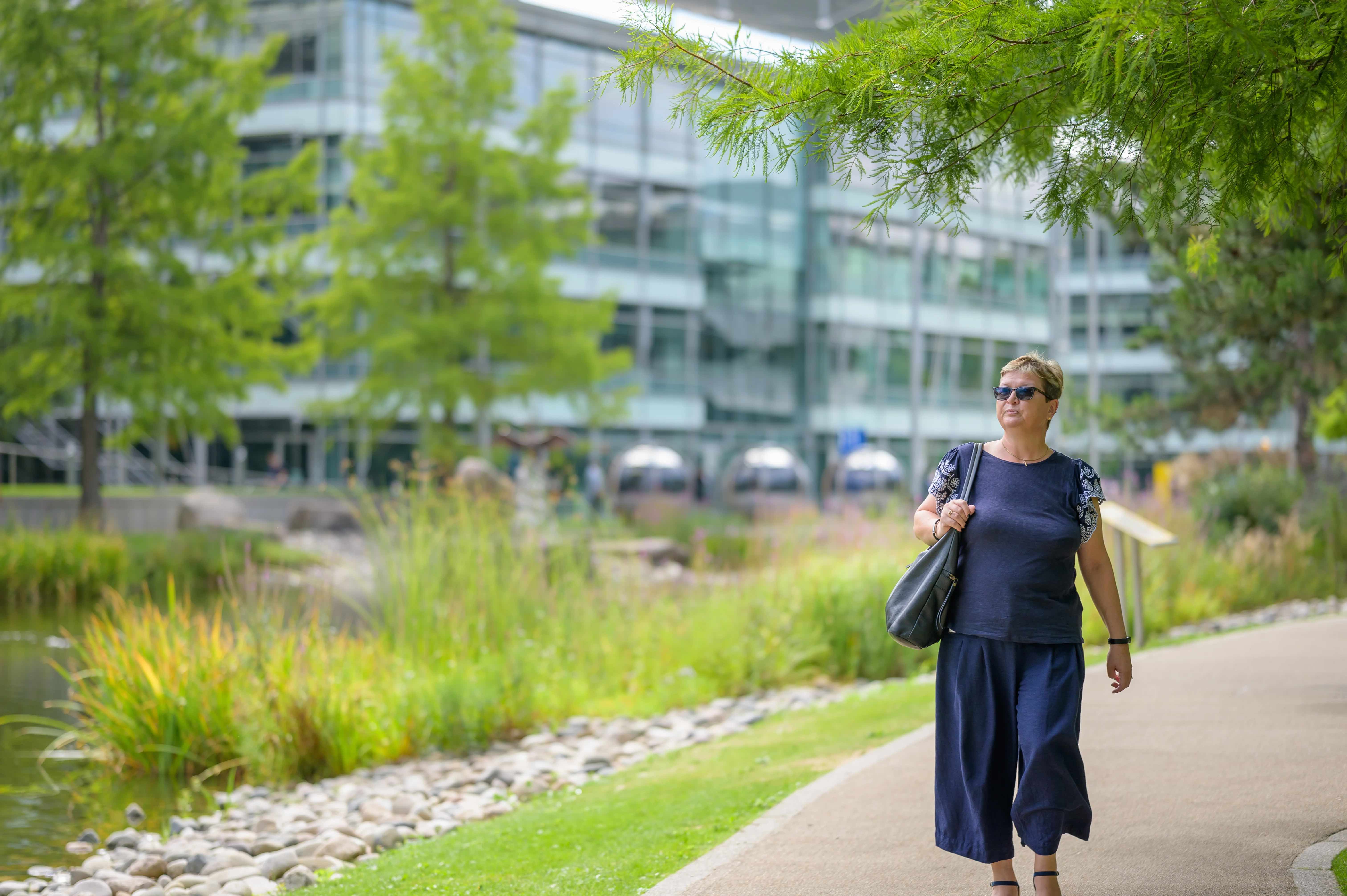
Yet there is also reason for optimism. Many of the changes that support a healthier planet can also support healthier ageing. Greener neighbourhoods encourage people to walk, spend time outdoors and connect with others. Better public transport can reduce social isolation while reducing emissions. Energy-efficient homes can help people stay comfortable during both cold winters and increasingly hot summers. Communities that are connected and resilient are often better equipped to support one another during times of crisis. In this sense, climate action is not simply about reducing harm. It is also about creating the conditions for longer, healthier and more fulfilling lives.
Perhaps the most encouraging aspect of this story is that we do not need to choose between supporting people and supporting the planet. In many cases, the same investments and decisions can achieve both.
A Shared Future
World Environment Day offers a timely reminder that the future of longevity will depend on more than medical breakthroughs or personal lifestyle choices. It will depend on the environments we create, the communities we nurture and the decisions we make together. And “together” may be the most important word of all.
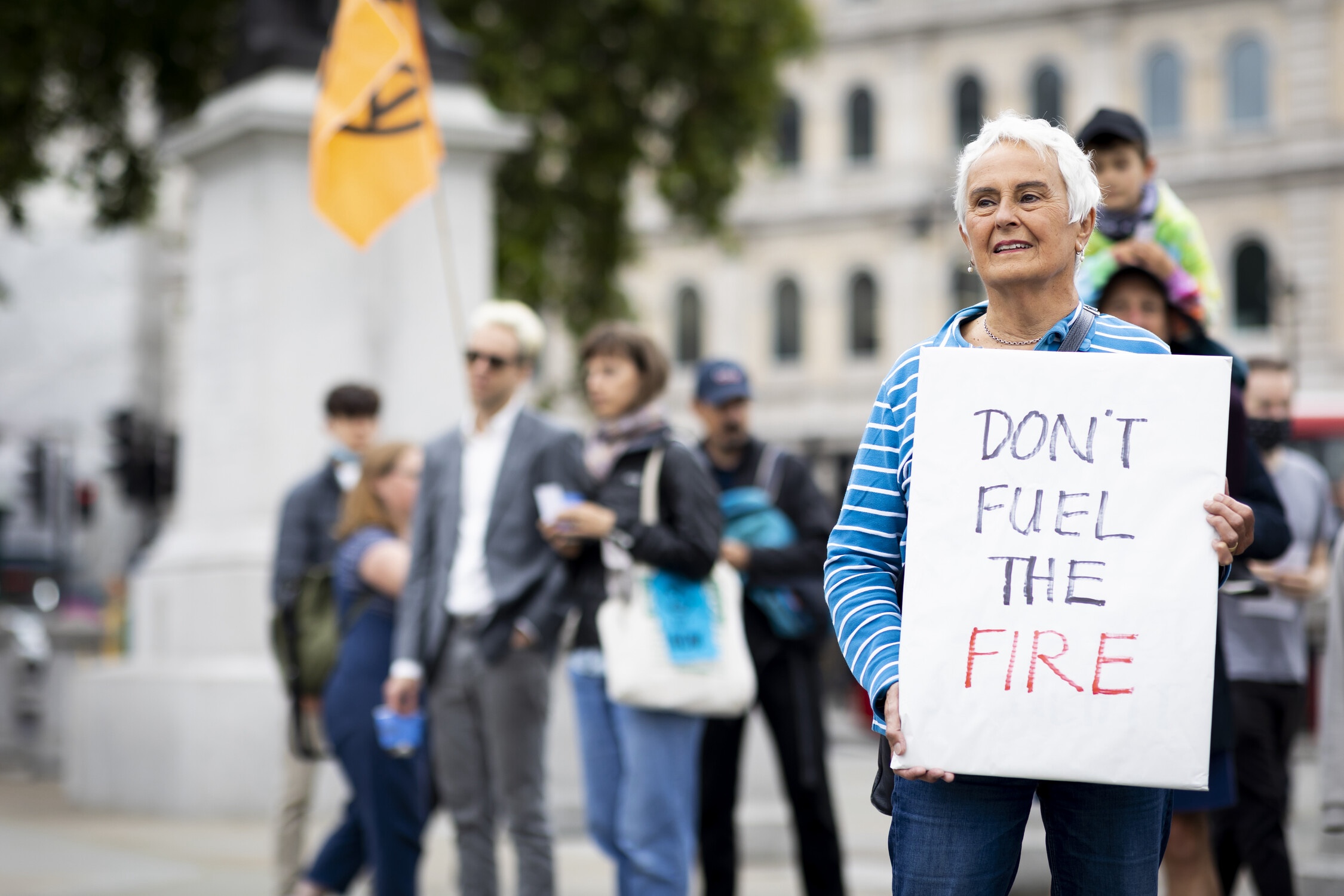
Climate change is sometimes presented as a challenge that pits generations against one another. Yet, as Professor Bobby Duffy has argued, exaggerating those differences can be a particularly self-defeating response to a challenge that affects us all. If we want a healthier, greener future, we will need to draw on the strengths of every generation, the energy and urgency of youth, alongside the experience, resilience and perspective that come with age.
Because ultimately, climate change is not a challenge for one generation to solve on behalf of another. It is a shared challenge, and the future we create will be shared too. The question is not whether climate change matters to longevity. The question is whether healthy longevity is possible without climate action.

 &
&