Photography by Philipp Hubert
Yet Anna remains wonderfully open to the world, studying Greek at the University of the Third Age, attending concerts, cooking for her family, and keeping space in her life for new connections. Her reflections remind us that in a longer-lived world, friendship isn’t simply comforting, it’s essential.
“A faithful friend is a powerful protection.”
When Anna explains friendship, she reaches not for psychology textbooks but for an old source of practical wisdom; the book of Sirach. For anyone unfamiliar, Sirach is an ancient Jewish text packed with straightforward advice on how to live well. It’s not abstract theology and in many ways it’s everyday guidance.
Anna asked us to share the passage exactly as written, because for her it captures the heart of friendship; “A faithful friend is a powerful protection; whoever finds one has found a treasure. A faithful friend is beyond price; nothing can weigh his worth. A faithful friend is a balm of life.”
For Anna, these lines describe what she actually lived. “I can say that I have experienced this” she said. Her friendships have carried her through the things that make later life complicated, sudden health decisions, the loss of her husband and the loss of long-standing companions. What she values isn’t drama or intensity but steadiness, someone who listens carefully, shows up when needed, and doesn’t disappear when life gets difficult.
In Anna’s world, friendship isn’t a luxury or a nice extra. It’s a form of protection, a practical support system, and sometimes the difference between facing life alone or with courage.
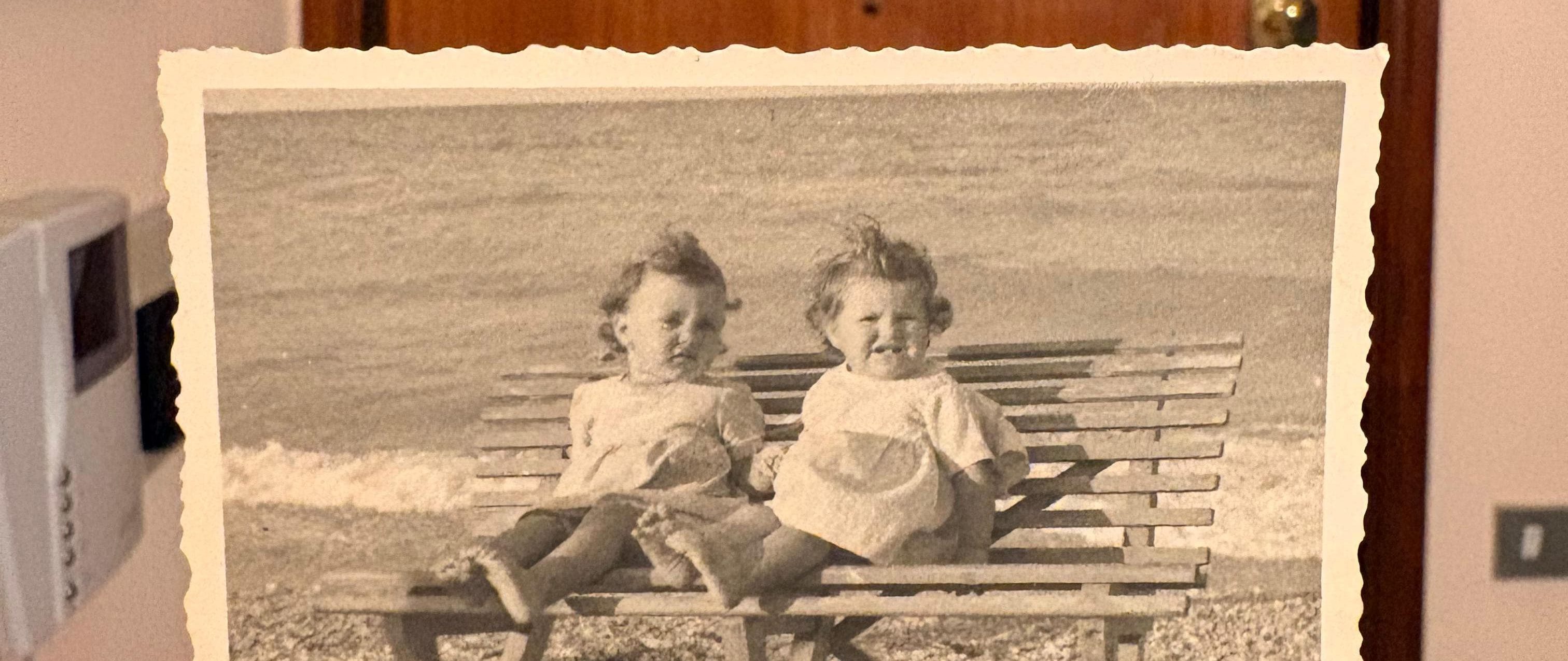
The Friend You Meet at Two Years Old.
Life eventually pulled them into different places and the regular contact faded. But the friendship didn’t disappear, it simply settled into the background of her life. When she speaks about Marina now, it’s with the clarity of someone who knows exactly how formative those early years were. Even without constant contact, that relationship shaped her, and it’s one she still considers part of her story.
A 50-Year Friendship Built on Freedom, Not Obligation.
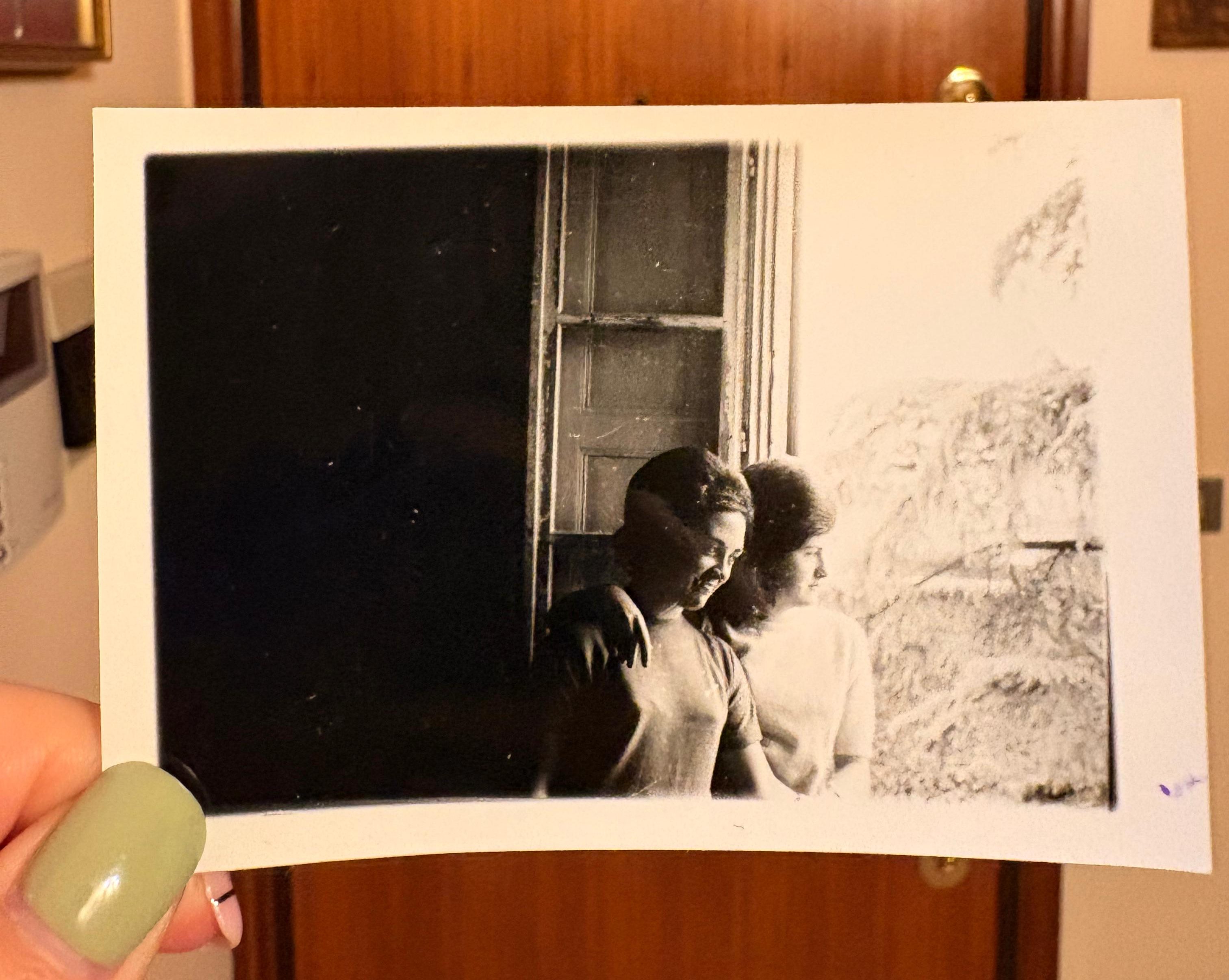
If Marina represents the beginning, Anna’s friendship with her neighbour represents endurance. They met in 1970, when both families moved into the same apartment building. Their children grew up side by side, their husbands became friends, and the two households gradually built a rhythm of shared meals, summer holidays and evenings spent talking or playing cards. There was no pressure to match each other’s choices or availability and that, Anna says, is what kept it strong. “It was never an exclusive friendship,” she told us. “We always felt very free.” No obligation, no competition, just a long stretch of everyday life lived in parallel. When her neighbour fell ill years later, she called Anna first, “Come upstairs, something’s wrong.” By then, decades of mutual trust made the response instinctive.
The relationship is a reminder that meaningful friendships don’t only belong to our youth.....they appear unexpectedly, later in life, and can still change us.
Making a New Friend at 60.
One of the striking parts of Anna’s story is that she formed a significant new friendship later in life, with someone very different from her. They met through informal summer dinners in her home village and the friendship deepened when Anna was asked to help the woman’s granddaughter with her holiday homework. Their interests didn’t match, their lives had taken different paths, but that never felt like a barrier. “We shared certain values,” Anna said, “and that is enough.” This friend was warm, open, quick to forgive and slow to judge, qualities Anna appreciated deeply. Her recent death still affects Anna. “I miss her,” she told us. The relationship is a reminder that meaningful friendships don’t only belong to our youth and sometimes they appear unexpectedly, later in life, and can still change us.
What Makes Friendship Harder With Age?
Anna speaks openly about the ways ageing can narrow social life. Over the past five years, she’s lost multiple close friends, people she saw weekly for walks, cultural outings, card games, Bible study groups. “At this age, it becomes difficult,” she said. “Physical impediments, fear of going out, distrust.” There is also the emotional fatigue that comes after too many losse,: “We tend to close ourselves off a little.” But Anna actively fights that instinct. She fills her days with music, reading, cooking, family visits, parish activities and classes. “Loneliness is not something that belongs to me,” she said, not because she is never alone, but because she chooses not to retreat. For her, connection isn’t a luxury, it’s part of staying psychologically alive. In her words, “Isolation is the prelude to the end.” It’s a simple but profound truth for a longer-lived world.
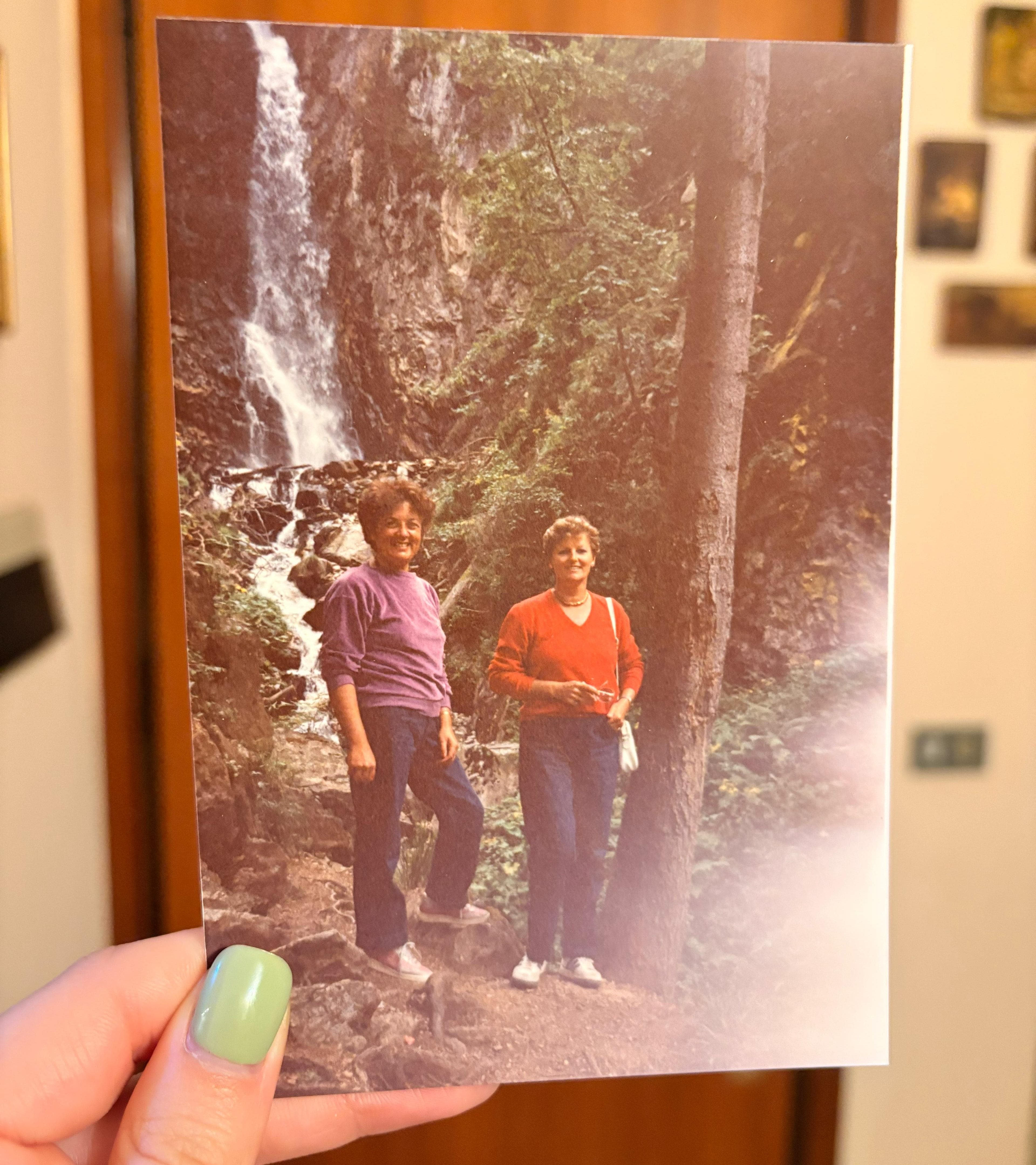
Anna and Mirella in 1986.
The Unexpected Joy of Intergenerational Friendship.
Anna’s first intergenerational friendship, long before anyone used that term, was with a boy eight years younger who taught her to ride a bicycle. She was a teenager, serious and self-pressured and he was playful and emotionally perceptive. “With him, I felt freer, lighter,” she said. “He’d tell me, ‘Come on, what does it matter if this isn’t done perfectly?’” Today, whenever Anna returns to her hometown in summer, they still greet each other with a warm hug. These cross-age friendships, she suggests, don’t need constant closeness to endure, just affection and a willingness to see each other anew.
Technology Helps, But Only When It’s Meaningful.
Anna uses WhatsApp groups, video calls and email to stay in touch with her social circles. She finds these tools useful, especially when mobility or distance make in-person meetings difficult. But she rejects the generic “good morning-good evening” forwards that circulate in many chat groups. “When I write a message,” she said, “I write something of my own.” For her, technology strengthens friendships when it supports sincerity, not automation. It’s a reminder that digital connection works best when it expresses something real, something human, not simply presence but a real intention.
What Anna’s story shows is that friendship may be one of the most powerful drivers of wellbeing, long before any medical intervention.
When Friendship Supports Health.
When Anna faced a serious health decision years ago, it was her friends who supported her. She remembers them ringing the doorbell quietly just to sit with her, offering practical help and emotional courage when she needed surgery but was afraid to go through with it. “I cannot forget their support,” she said. Their companionship didn’t erase the fear, but it made it bearable. And after the surgery, they continued to show up. Anna also knows this story in reverse, in later years she was the one offering support as her friends declined. “That’s life,” she said, with a mixture of tenderness and sorrow. What her story shows is that friendship may be one of the most powerful drivers of wellbeing, long before any medical intervention.
If She Were the ‘Minister of Friendship’…
When asked how she would strengthen friendship at a community level, Anna doesn’t think of complex programmes. She imagines small, joyful, regular invitations such as Saturday dances, games afternoons, cultural outings, shared dinners, trips to museums “with someone who can explain things you thought you knew.”
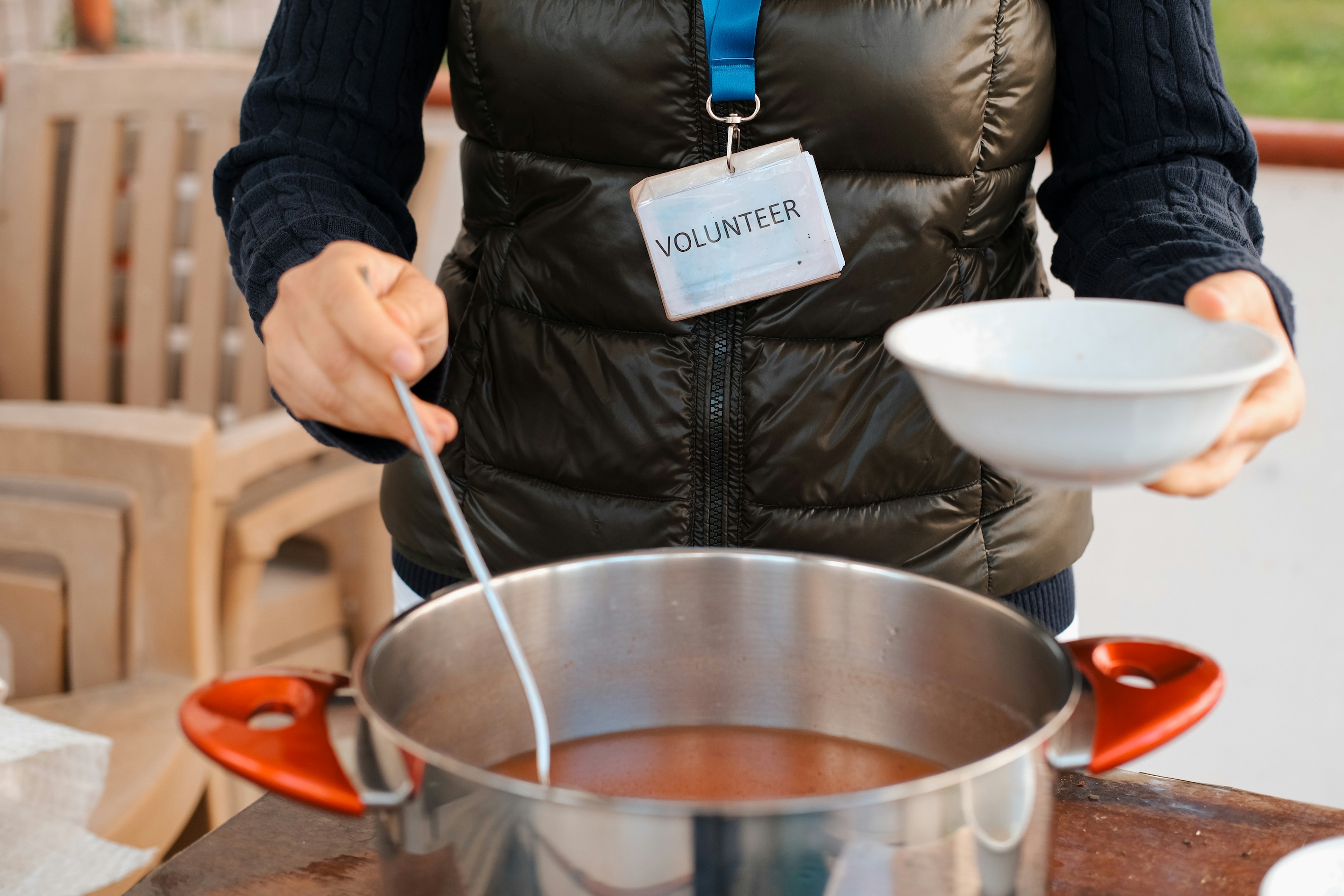
She talks about volunteering as a path not only to connection but to purpose, “When we feel useful, we feel better.” For her, the core problem isn’t lack of interest, it’s a lack of structure. “Even small things help you be with others,” she said. “You just need opportunities that encourage people to leave their home.” It’s community design, but at its simplest, creating places where people can show up, try something, and feel welcome.
Photography by Esra Afsar Sue
What Anna’s Story Shows Us About the Future of Friendship
What can we learn from Anna? New relationships rarely begin with big moments but with small openings such as a class, a shared meal, a neighbour who asks you in. Technology can play a role but only when it helps people speak in their own voices. Purpose adds depth to our lives, whether through helping others or staying involved in community life. And beneath it all are the everyday places and moments that bring people together. None of it is dramatic, and that may be the point. It’s often the simple, human things that help connection take root.

 &
&