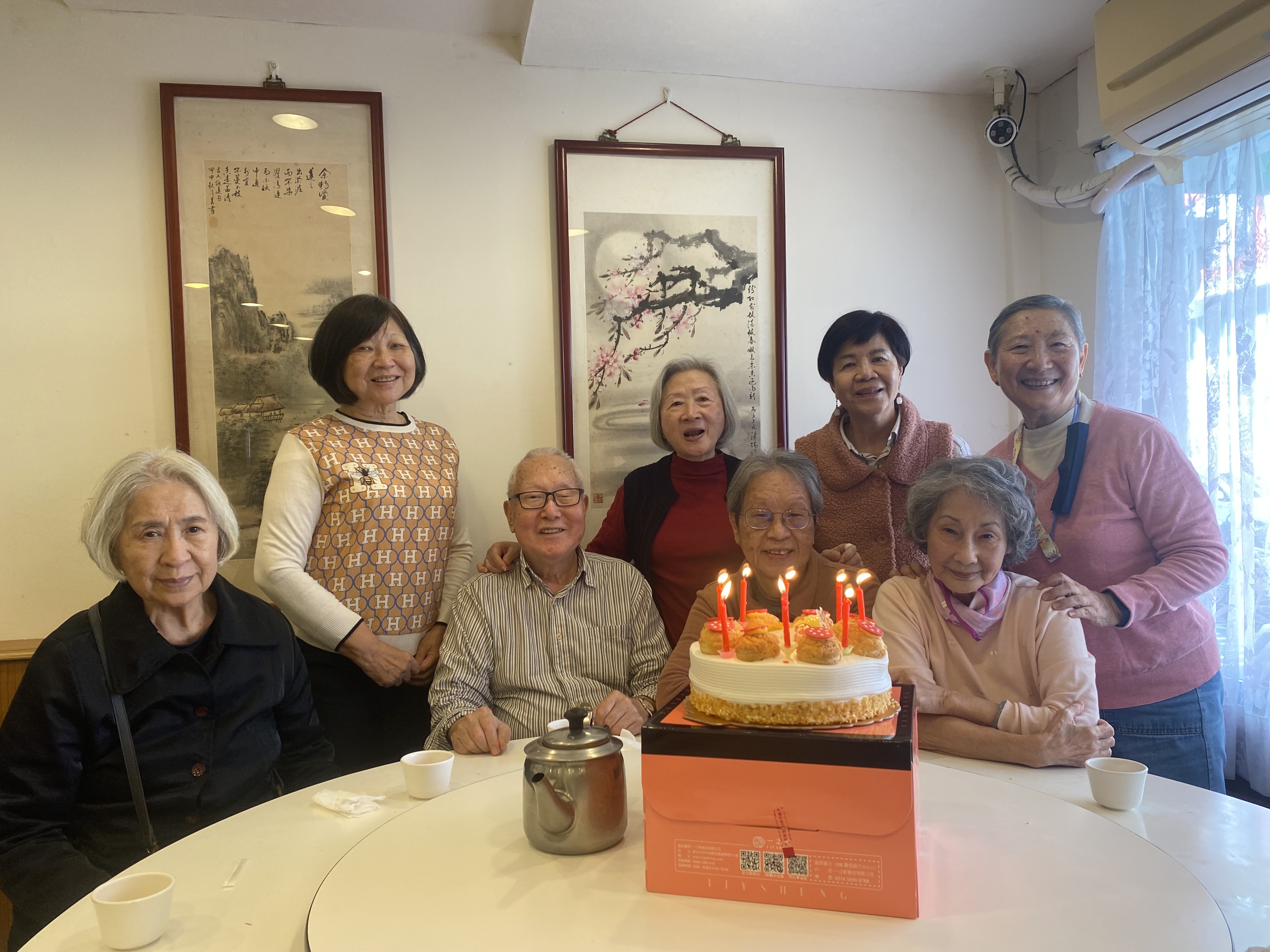
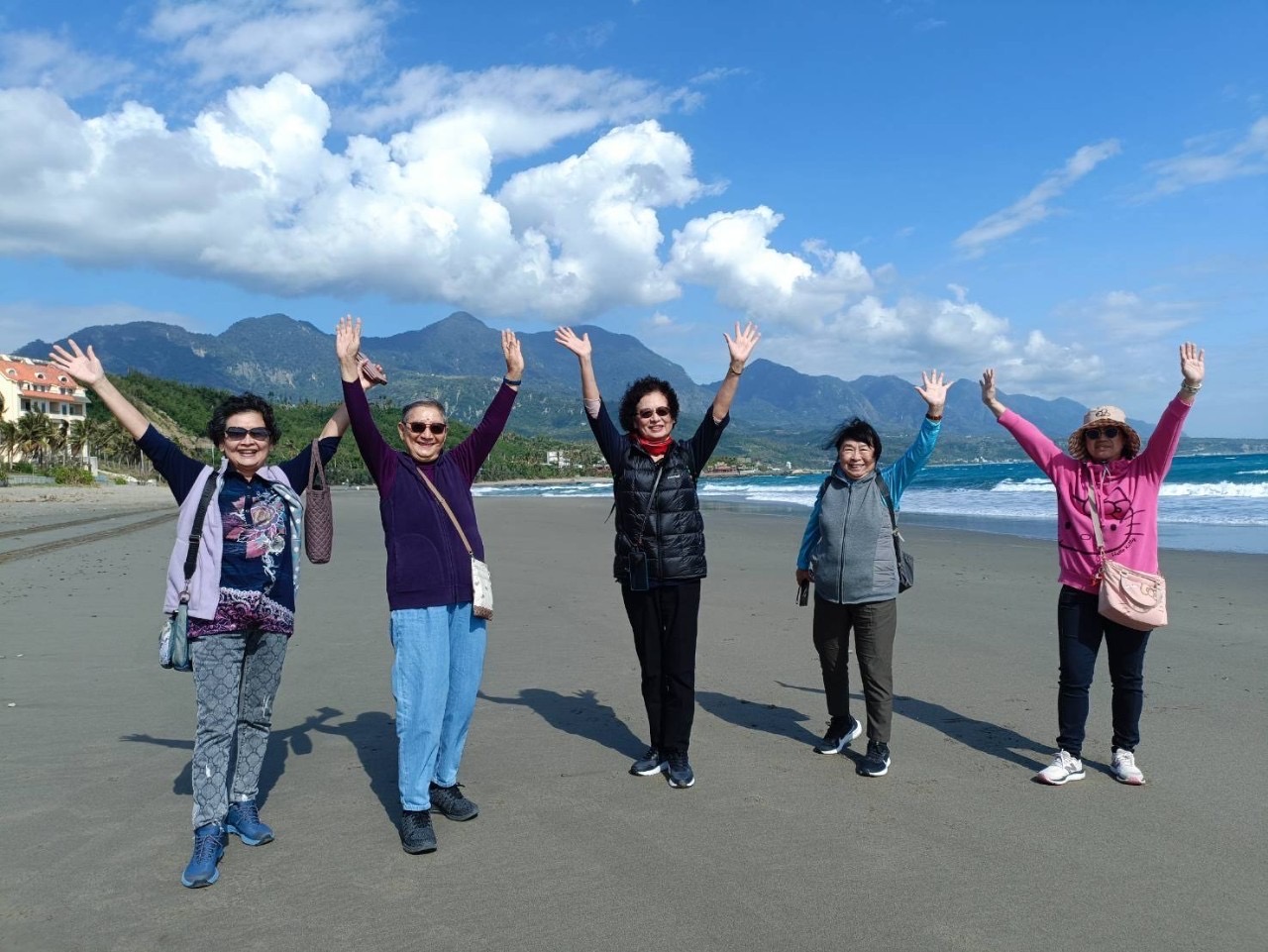
Mrs. Chi celebrating her 80th birthday with friends.
A New Friendship
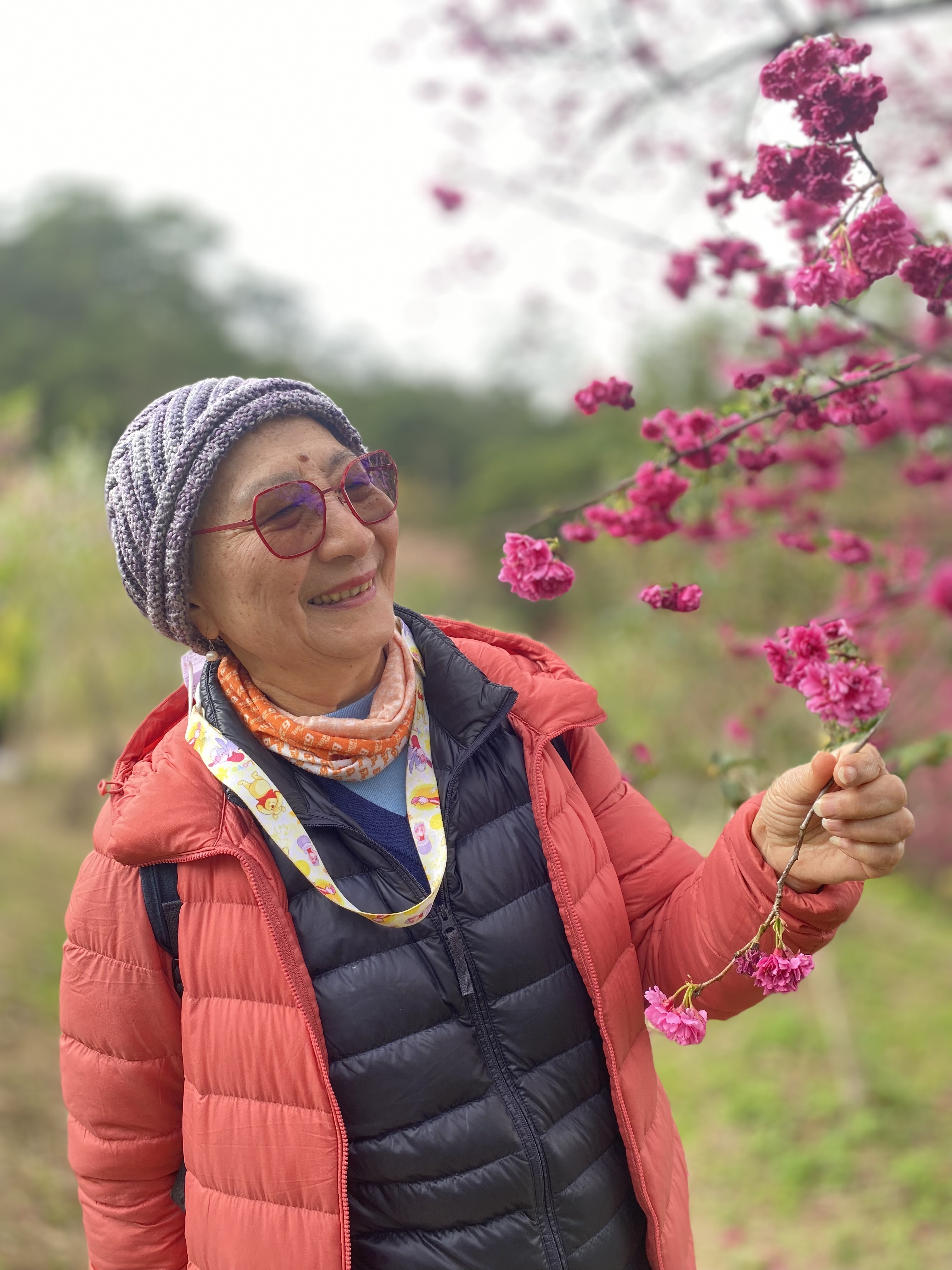
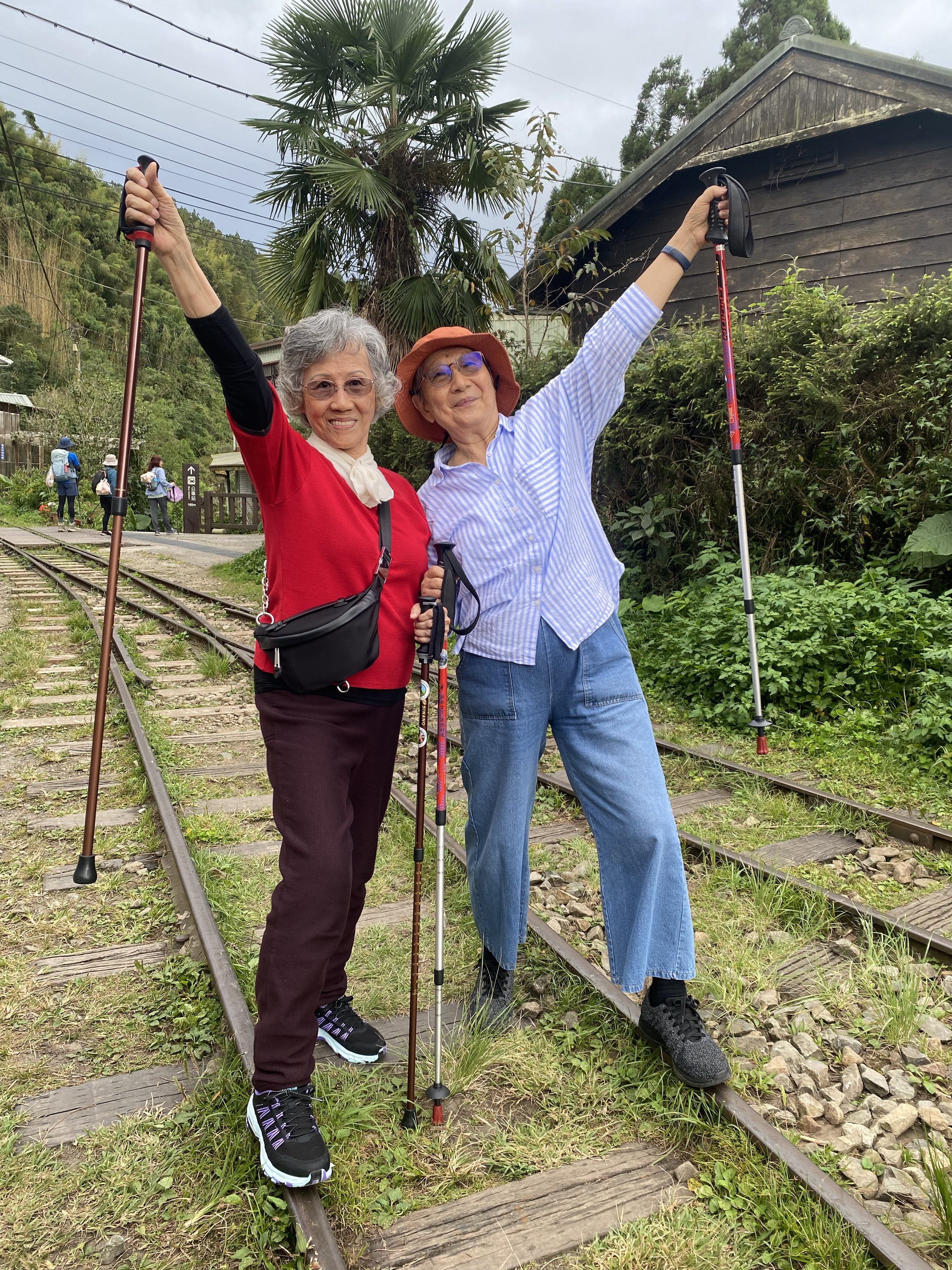
One of the joys of speaking with Mrs Chi is realising how open she remains to new connection. Just in the week before this interview, she joined a hiking group. The rain was relentless and her original hiking partner didn’t show up. At over 80, she was the only person of her age tackling the trail. Yet instead of turning back, she decided to go for it and a new friendship began.
A younger woman travelling alone was seated next to her on the bus. As soon as they began walking, she quietly looked out for Mrs Chi, offering an umbrella, matching her pace, taking photos when she paused to admire the scenery. “She became like a guardian angel to me,” Mrs Chi said, still moved by the memory. “Even though we had just met, it felt like the beginning of a friendship.”
Moments like this show how easily connection can start and at every stage in life. A rain-soaked trail and an unexpected companion, sometimes that’s all it takes.
“My emotion affects my health. My friends remind me what I should do to make things better,” Mrs. Chi.
Fifty Years of Walking Side by Side
Mrs. Chi’s friendship with her closest companion began more than fifty years ago, and from the very start it was grounded in shared values. “We discovered that we both prefer to take a loss ourselves rather than take advantage of others,” she explained. It’s a simple sentence, but it says a great deal about the principles that have held their relationship steady across half a century.
Even during the busy years of raising children, when time and energy were scarce, they stayed connected. And now, in retirement, the rhythm continues. “If we haven’t been in touch for a few days, I’ll call her,” she said. “I’m someone who takes the initiative to reach out.”
Her story reminds us that long-lasting friendship doesn’t just happen, it’s built through small, regular acts over many decades. It isn’t accidental, it’s something you keep showing up for, even when life is full.
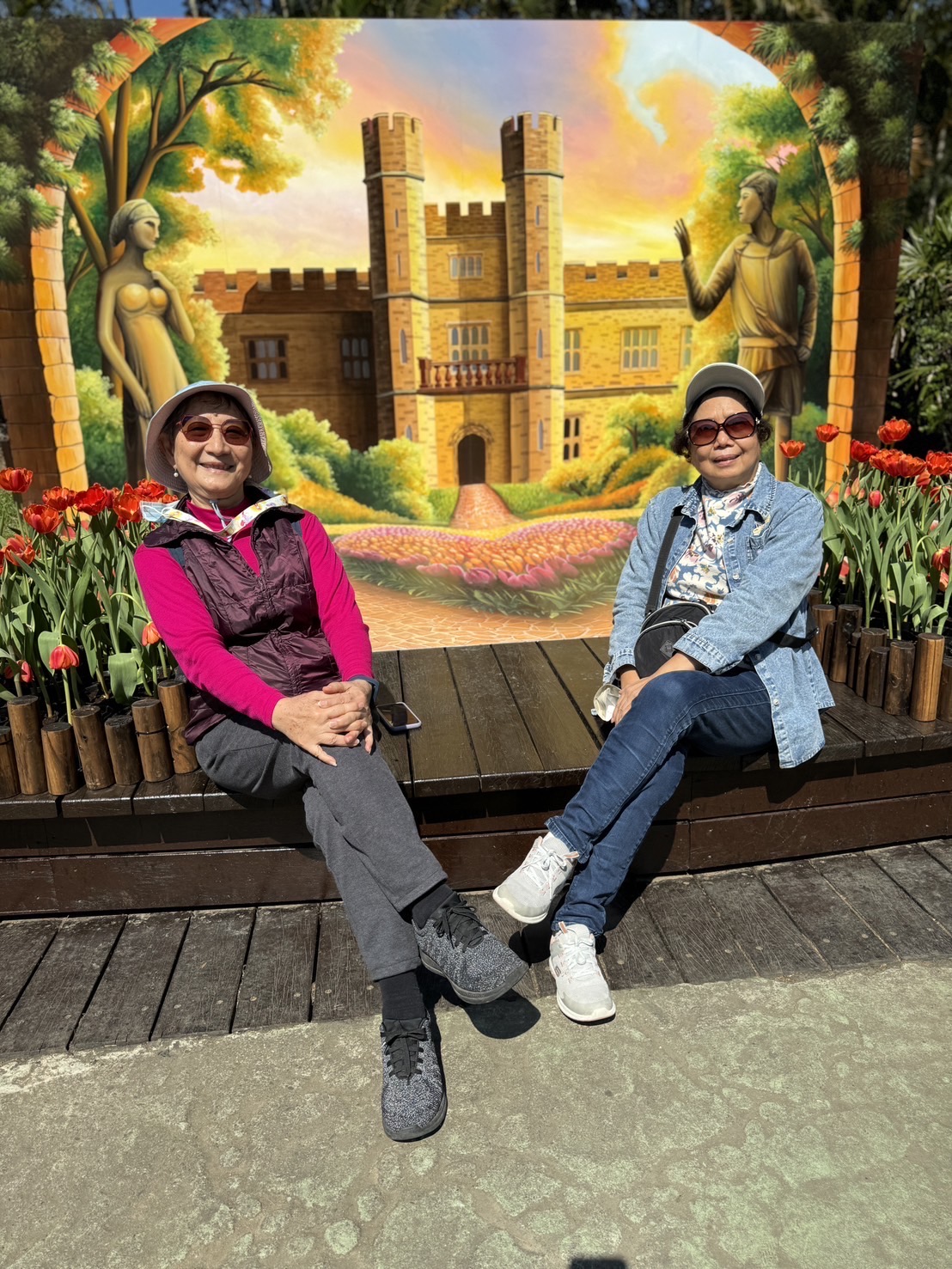
Mrs. Chi's (left) friend who is 10 years younger than her.
What Makes Connection Hard and What Makes It Possible
When asked why friendship can be difficult, Mrs Chi didn’t mention lack of opportunities, digital distraction, or reluctance to reach out, themes we often hear in the West. Instead, she focused on attitude. “Being overly self-centered is the biggest obstacle to any friendship or community harmony,” she said.
Her own approach is straightforward. When she moved into her apartment buildin, where there are just nine households, she visited every neighbour to introduce herself. That early gesture shaped the atmosphere. People came to trust her, ask her views, and include her in community decisions. Her experience suggests that connection often grows from simple, deliberate actions rather than chance.
When Loneliness Appears
Despite having a strong network, loneliness has still appeared in her life, just not in the usual ways. It isn’t caused by being on her own, she said, but by feeling unable to speak openly at home. When her son asked for financial help to start a business, she found herself caught between wanting to support him and her husband’s view that they should step back. “I could no longer discuss my views with my husband,” she said. “I felt I had to face the issue alone.”
What helped most were a few close friends who understood her and offered practical reassurance. “They reminded me to take care of myself,” she said. Their support didn’t solve the situation, but it made it easier to handle, showing how friends can steady us when family dynamics feel difficult.
The Gifts of Friends Older and Younger
Some of the clearest lessons in Mrs. Chi’s life come from friendships that cross generations. Her 92-year-old friend who is “like a big sister,” lives independently, surrounded by her books and papers, in a style that works entirely for her. “I learned the importance of having a lifestyle you enjoy,” Mrs Chi said. “If I live to 100, I still have 20 years and I must take care of myself.”
She also has a friend nearly ten years younger, whom she met while volunteering at a hospital. This friend’s directness has become invaluable. “I need real and constructive comments,” she said. “She helps me understand myself.”
These relationships, one older and one younger, give her both guidance and clarity and a reminder of how useful intergenerational friendships can be as we move through different stages of life.
Technology: A Thinner Thread, But Still a Thread
When we turned to technology, Mrs Chi’s reflections were clear and balanced. “Communication was more frequent before smartphones,” she said. Screens make it easy to stay loosely connected, but just as easy to drift apart. She’s noticed that many casual friendships have faded; there’s less spontaneity and depth than before.
Her closest relationships, though, haven’t changed. They still check in properly. If a friend texts to say they’re unwell, she doesn’t reply with an emoji, she visits. “With true friends,” she said, “our messages are filled with life’s little updates.” Technology may have altered how people communicate day to day, but it hasn’t reduced the strength of the friendships that matter to her.
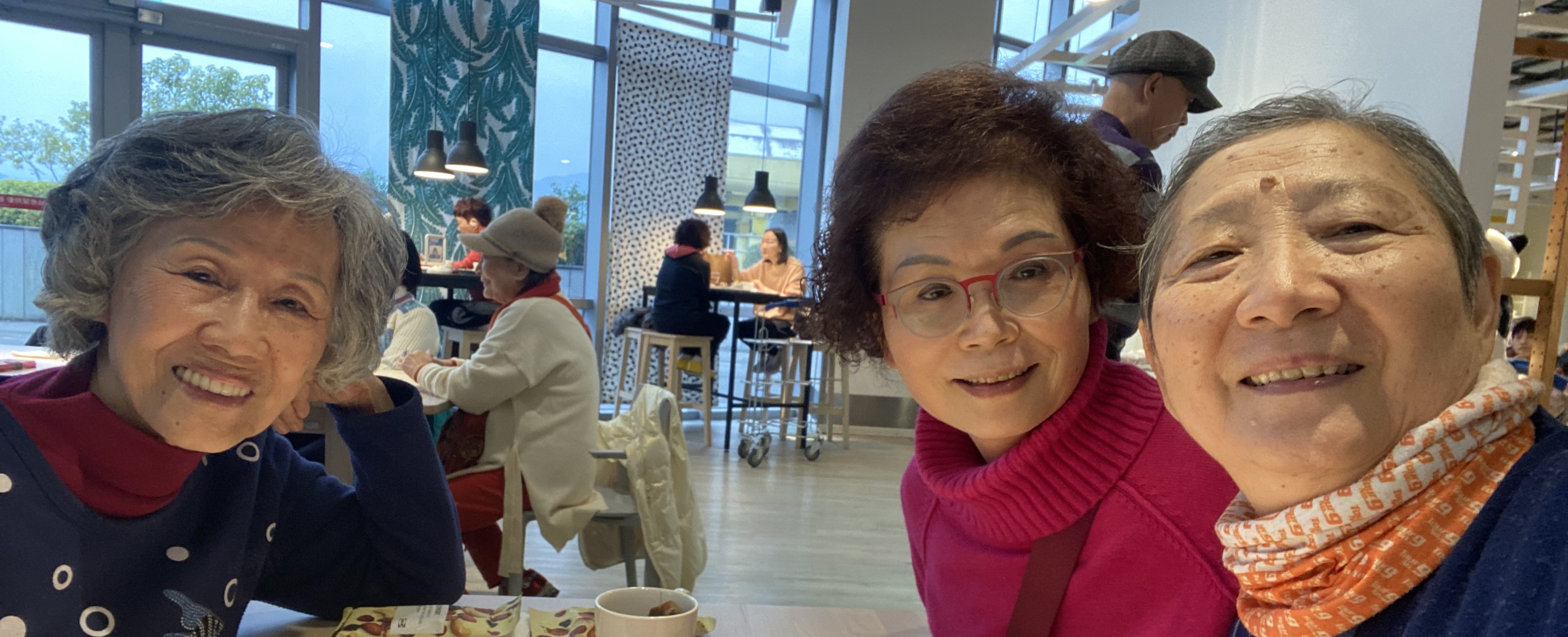
Mrs. Chi (second from left) with her former students.
Wellbeing, Freedom and the Emotional Work of Ageing
For Mrs. Chi, physical health is the result of lifestyle such walking, eating lightly, staying engaged. But emotional wellbeing is where her friendships do their greatest work. “My emotion affects my health,” she said. “My friends remind me what I should do to make things better.”
Since her husband passed away three years ago, she has settled into a different routine. She organises her days as she likes, visits friends when she chooses, and keeps herself active. “I am actually very busy every day!” she laughed. Rather than shrinking with age, her life has simply shifted, creating more room for the relationships and activities that matter to her.
Friendship as a Community Ritual
When she becomes Head of her apartment council in 2027, she already knows what she wants to do. On the rooftop of her building is an open space which perfect, she says, for gatherings. She imagines inviting every resident to celebrate festivals together, sharing homemade food, learning each other’s stories. “Regular events can build community cohesion,” she said. Not big programmes, just reliable, joyful rituals that remind people they belong to one another.
It’s an idea we hear again and again across continents, friendship flourishes where communities make room for it.
Connection cannot depend on chance. It needs structure, sustained, thoughtful, and long-term.
If Togetherness Were a National Priority
When we asked what she would do as “Minister of Togetherness”, Mrs. Chi didn’t hesitate. Connection, she believes, cannot depend on chance. It needs structure, sustained, thoughtful, and long-term. She imagines workshops, tea gatherings, field trips, district-led events that help neighbours become acquaintances, and acquaintances become companions. “It needs to be systematic,” she said. And she wants young volunteers to be involved too, not only to help others, but to learn what community can truly mean.
Mrs. Chi with her oldest friend of over 50 years.
What Mrs. Chi Offers Us About Friendship in a Longer Life
Taken together, Mrs. Chi’s experiences show how friendship evolves across a long life. It can start with a small act of care on a rainy trail. It can last for decades when values align. It can provide support when family dynamics are hard to navigate. And it can move across generations, offering both guidance and fresh perspective.
What stands out is how intentional she is. Friendship, in her view, isn’t about luck, it grows through small, consistent actions: visiting neighbours, picking up the phone, staying involved in community life.
As we move into a century where people live longer than ever before, her approach reads less like sentiment and more like practical guidance. Connection doesn’t have to decline with age, it can shift and strengthen, especially when communities create the conditions for people to meet, talk and show up for one another.
In that sense, her story is not just personal, it’s a prompt for how we design the social side of longevity. Friendship can continue to grow across the decades, but only if we make space for it.

 &
&