Photography by Kateryna Hliznitsova
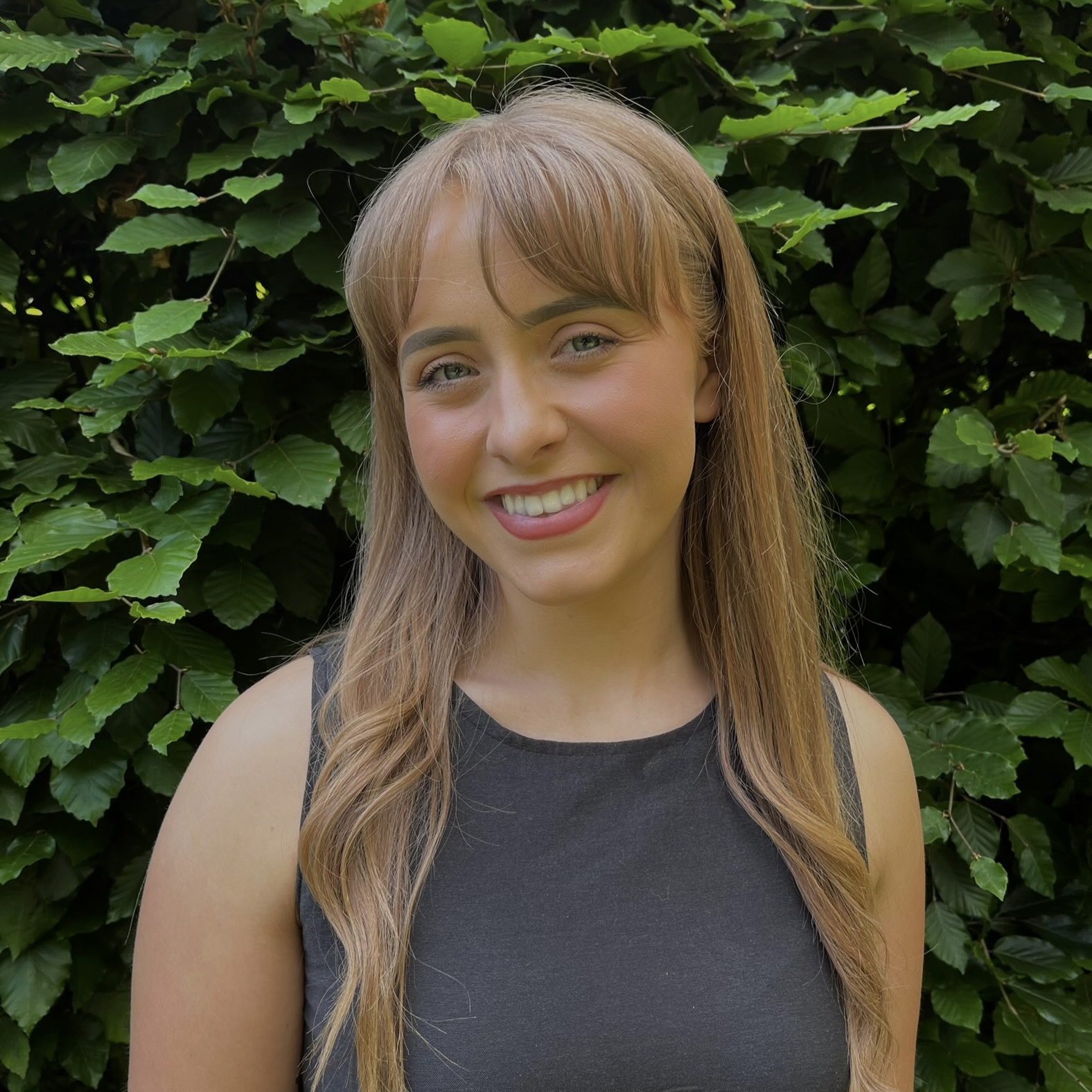
This is exactly where Katie Read, a PhD researcher at the University of Southampton in the UK, has focused her work. As she puts it, she became interested when she “noticed that it seems there’s a bit of an issue with communication in GP appointments,” particularly around women’s health. Through her research, Katie saw a pattern echoed in the UK Government’s Women’s Health Strategy, women come away from consultations not feeling understood or taken seriously.
A Longevity Lens on Menstrual Problems
We rarely frame menstrual problems as part of a longer-life story, but perhaps we should. A 33-year-old today might manage symptoms into midlife. A 55-year-old may still be dealing with the consequences of issues left unexplored decades earlier. And even those long past their reproductive years remember feeling dismissed, memories that shape trust in healthcare for a lifetime.
Katie first noticed this link while exploring menopause care during her undergraduate years. People repeatedly described experiences where they didn’t feel heard, which influenced how they sought help later. She began to wonder what might be possible if conversations about menstrual problems, at any age, felt genuinely empathic, clear and hopeful.
The overall aim of my module is how practitioners can communicate with empathy and realistic optimism...for patients to come away feeling heard, listened to, taken seriously, and quite hopeful about next steps.
Introducing Empathic-Flow: Changing How We Talk About Menstrual Problems
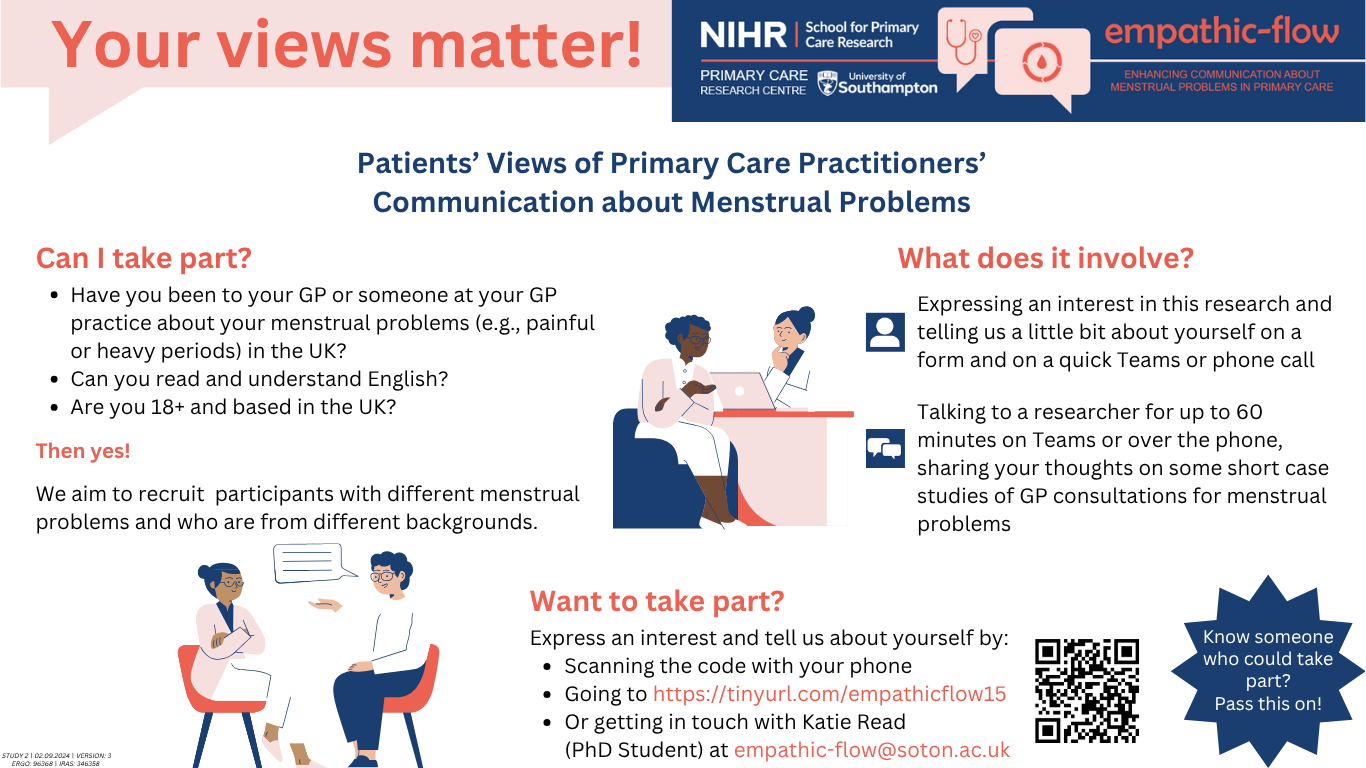
Katie’s project, Empathic-Flow, builds on Empathico, an evidence-based training programme created at Southampton to strengthen empathy and realistic optimism in GP consultations. Empathic-Flow adapts this approach specifically for appointments about menstrual problems (e.g., painful and heavy periods), supporting GPs to recognise impact, validate concerns and co-create meaningful next steps.
“The overall aim of my module is how practitioners can communicate with empathy and realistic optimism,” Katie says. “Hopefully, patients come away feeling heard, listened to, taken seriously, and quite hopeful about next steps.” To design something grounded in lived experience rather than assumptions, Katie developed short consultation scenarios and invited our Voice community of citizen innovators members to react to them.
Photography by manuelthelensman
What Voice Members Helped Reveal
Voice members read the consultation scenarios and spoke with striking honesty about what felt validating, what closed things down, and what shaped their willingness to come back for future care. Their reflections helped Katie see the project differently. “They really helped narrow the focus,” she says, “almost like up-voting the things we should prioritise.” What came through most clearly was the need for simple, human essentials: clear explanations, feeling taken seriously, understanding why referrals matter and knowing they can return if something isn’t working. “They value an explanation of what’s happening, or why a referral or investigation is important to them,” Katie explains, a reminder that reassurance is often as important as treatment.
Voice also raised concerns that clinicians don’t always anticipate. One theme stood out, a hesitation around the contraceptive pill as the default option. “There was just real hesitation about the pill being an option,” Katie says. Their feedback fed into Empathic-Flow content, reinforcing the importance of hearing from both perspectives, as opposed to assuming.
Perhaps most powerful was the intergenerational insight Voice made possible. “I’d previously recruited quite a lot from younger groups,” Katie notes. “Voice was great, as members approaching midlife and beyond could share what it was like when they were younger and also their more recent experiences.” Together, these stories traced menstrual health across decades, from early adulthood to menopause and beyond, revealing how communication may be tied to one stage of life, but its impact often carries into all the others.
Turning Lived Experience into Practical Change
Katie is now deep in analysis, navigating what she warmly describes as “that really messy period of trying to make sense of everything.” With more than 700 coded insights, the work is complex and demanding but rewarding.
Even in these early stages, Voice members’ experiences are already shaping the module. “I’m drawing on things that came out of the interviews, what made people want to come back to an appointment, rather than giving up,” Katie says. This is the human work behind innovation, slowly transforming lived experiences into tools that may reshape everyday healthcare.
Katie’s project leaves us with a hopeful question, ‘What if every women’s-health appointment, at any age, became a moment of clarity, dignity and trust?’
Why Better Conversations Today Build Better Health Tomorrow
An appointment about menstrual problems isn’t just about that day’s symptoms. It’s a moment where trust can be built or eroded. When someone feels dismissed early in life, they may hesitate to seek help later, for perimenopause, chronic pain or emerging risks. When they feel understood, they stay engaged, confident and more in control of their longer health journey.
Empathic-Flow might begin with heavy and painful periods, but its ripple effects extend far beyond it. Katie’s project leaves us with a hopeful question, ‘What if every women’s-health appointment, at any age, became a moment of clarity, dignity and trust?’
Thanks to the insights of Voice members, that possibility feels closer than ever. Their experiences are shaping a tool designed not only to improve menstrual-health conversations, but to strengthen the confidence and wellbeing we carry with us as we age.

 &
&