Today, around 57 million people live with dementia worldwide, a number expected to rise to nearly 150 million by 2050. Behind each statistic sits a reader, a thinker, and a storyteller. Someone who doesn’t stop wanting ideas just because the brain begins to change.
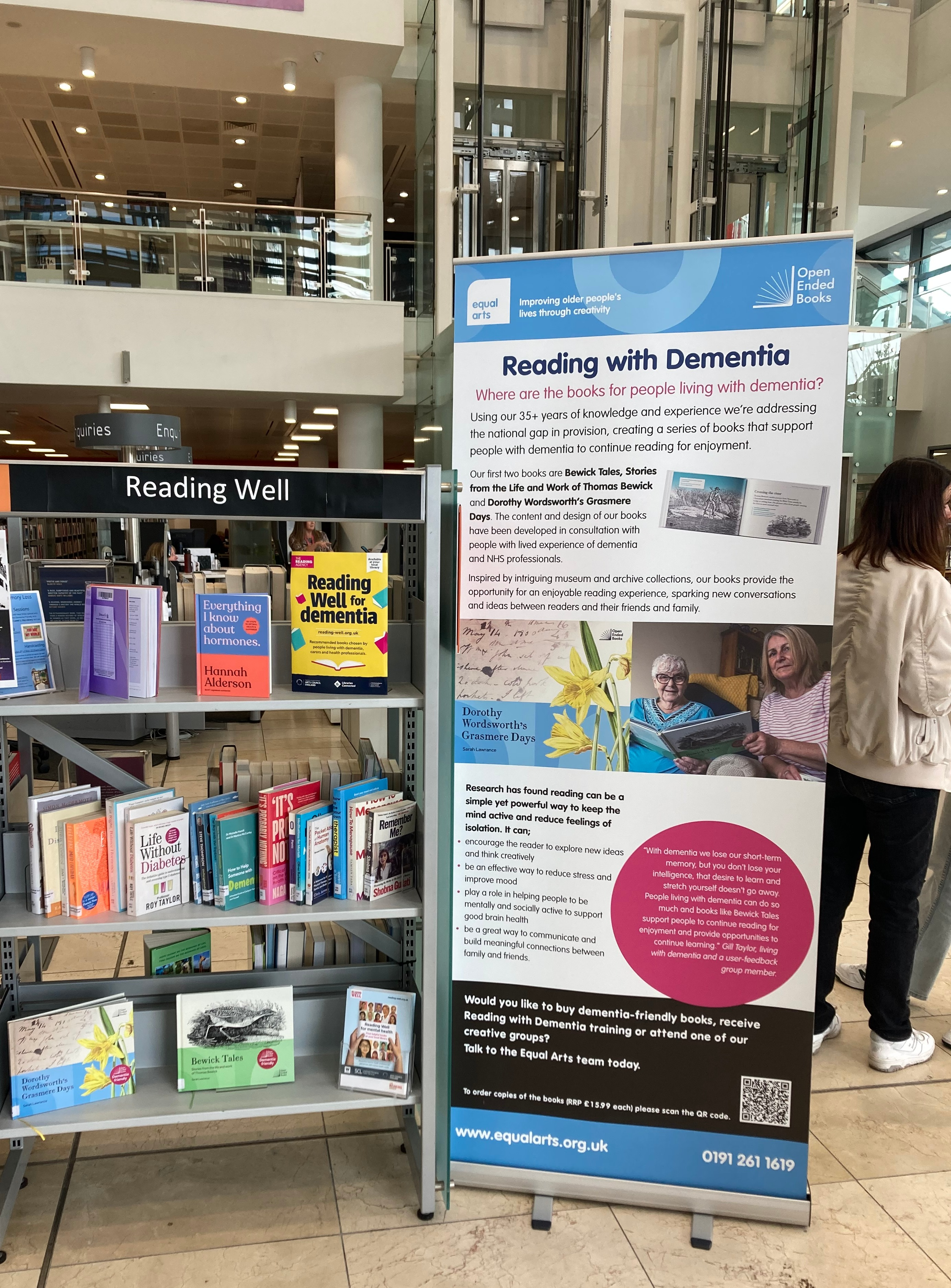
Equal Arts, a creative ageing charity based in Newcastle in the UK, has spent decades proving that creativity doesn’t diminish with age, it deepens. And with their dementia-friendly publishing imprint, Open-Ended Books, they’re asking a quietly radical question. “How do we design reading for longer lives?”
A Different Way of Seeing Ageing
Equal Arts has been doing this work long before “creative ageing” became a familiar phrase. As Sarah Lawrance, Publications and Heritage Programmes Manager, puts it, “It’s all very much about being in the moment and exploring imagination rather than reminiscence. It’s less about memory; it’s more about what you can achieve right now.”
This philosophy runs through everything they do, from artist-led workshops in care homes and community venues to storytelling, ceramics and digital arts. Always creative first.
So when something unexpected happened — rich, imaginative stories emerging from a participatory project exploring the Thomas Bewick Collection, a historic archive of wood engravings and illustrations at Newcastle City Library, they found themselves asking a new question, “How do we share this spark with people who may struggle to read traditional books?”
Bottling a Moment: The Birth of Open-Ended Books
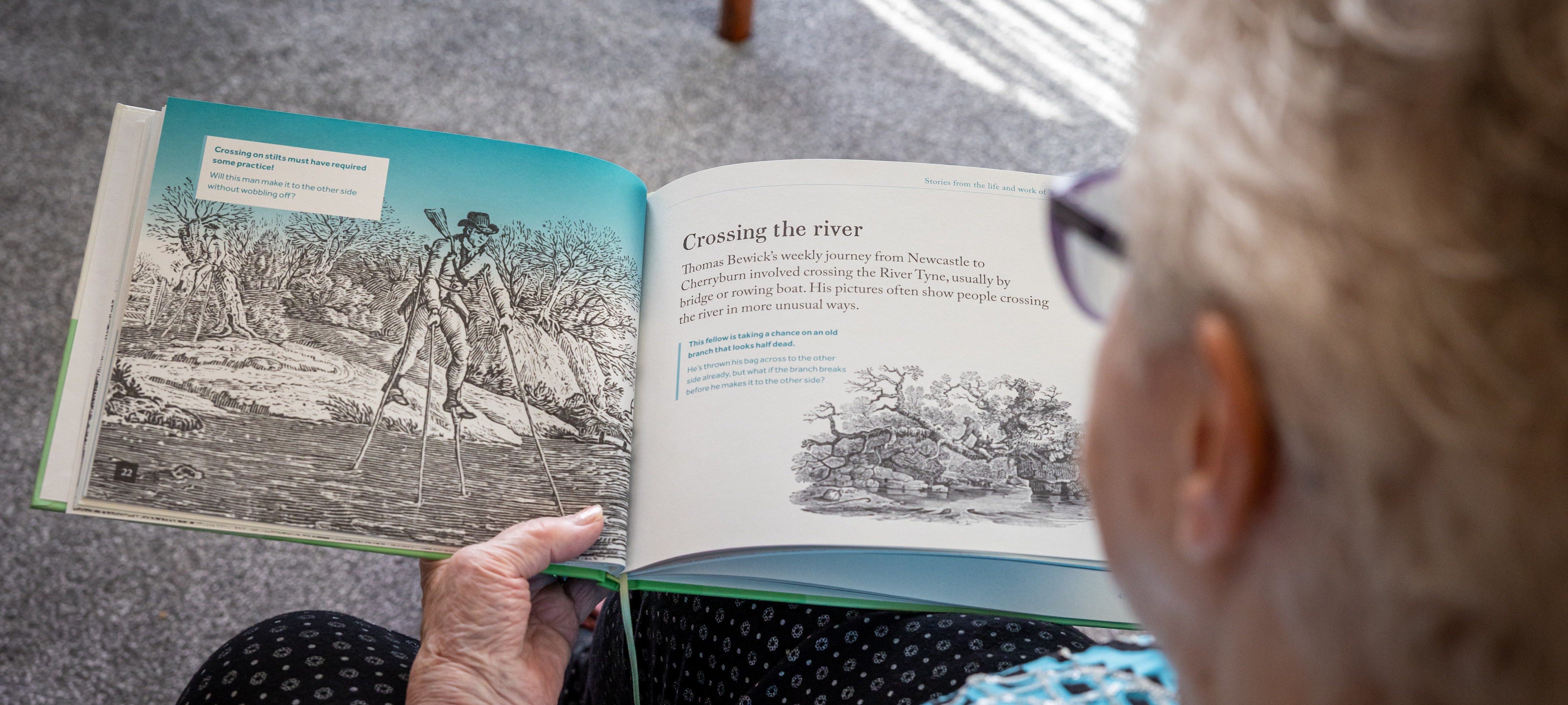
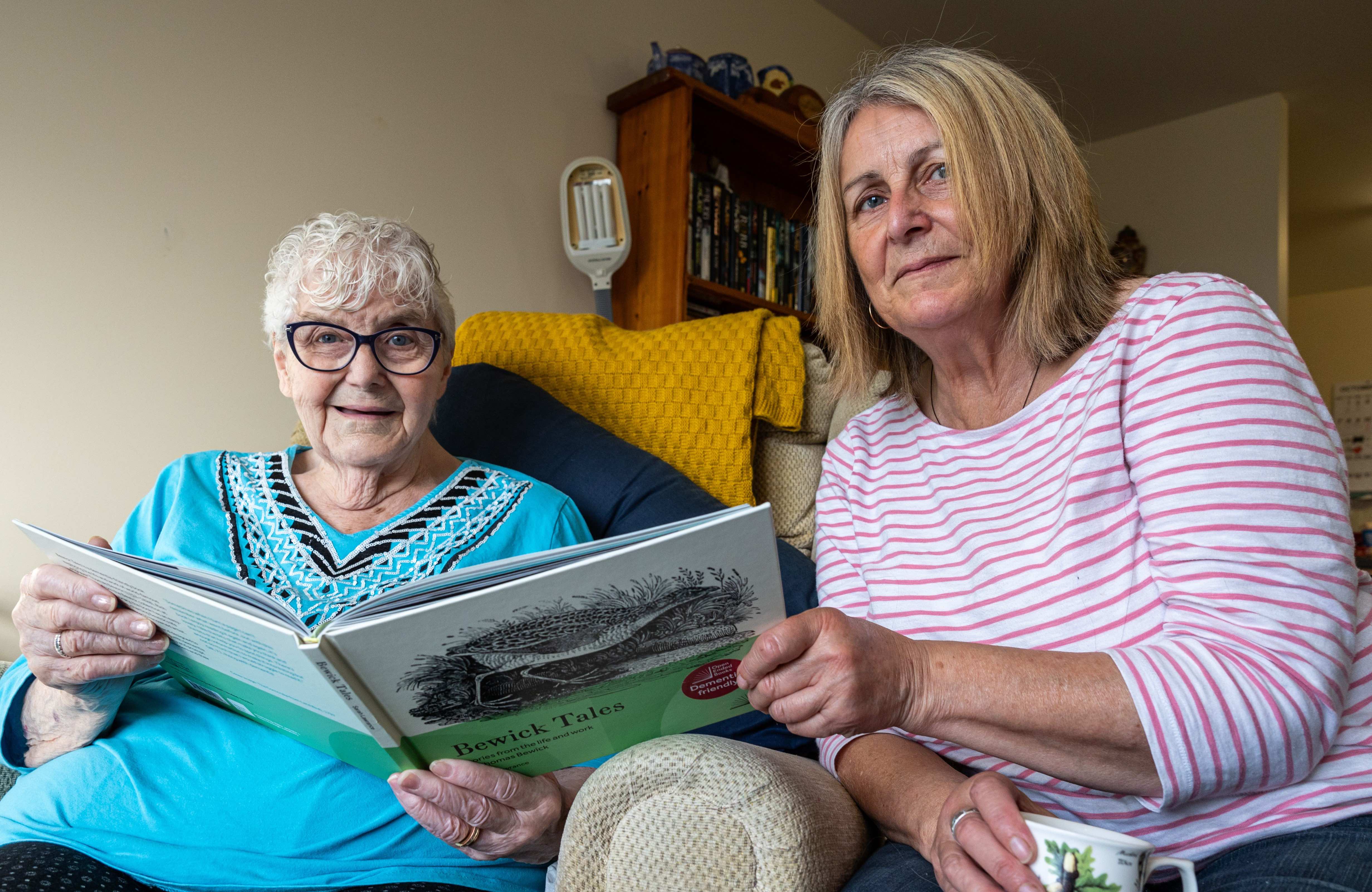
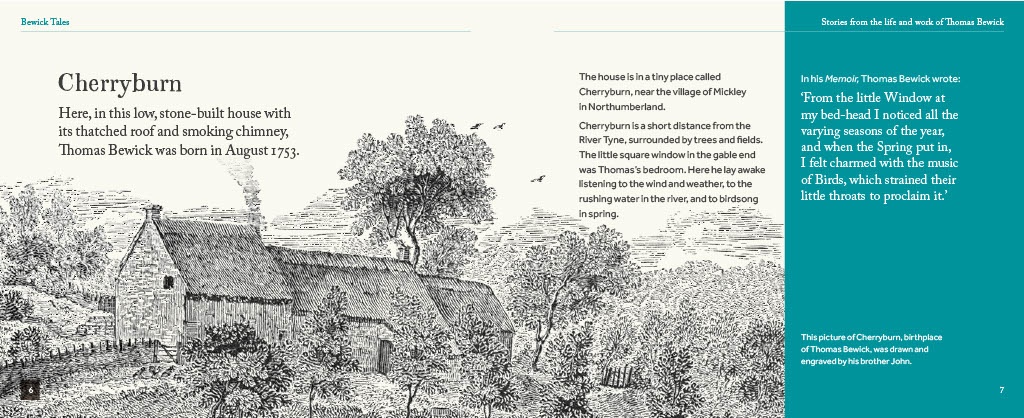
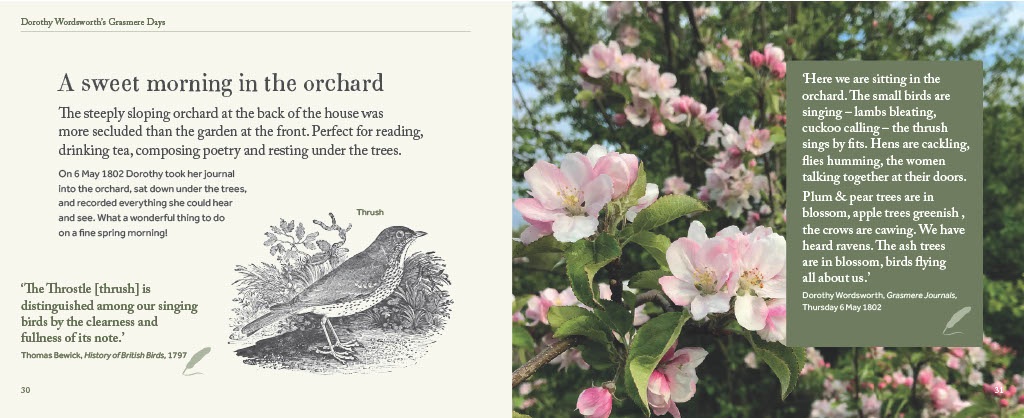
The answer became Open-Ended Books, an imprint designed for people with dementia, especially those in earlier stages who still want to read but find traditional books increasingly difficult. Sarah recalls how the idea took shape, “There were so many interesting stories emerging that I kept thinking: how can we bottle some of this for people who might not feel confident coming into a library?”
Her research uncovered something surprising: although books exist for people with advanced dementia — single words, simplified images — very few acknowledge the needs of people who still crave narrative, beauty, and imagination. “Reading in dementia was really under-explored. There wasn’t much for people who still wanted to read.” So Equal Arts set out to change that. With early support from Creative UK, they created their first book. It was experimental. It was fast. And it revealed just how hungry people were for this kind of work.
When Innovation Meets Lived Experience
After publishing the first book, Equal Arts faced a new challenge, how do you distribute a book that sits between publishing, care, culture, and wellbeing? The answer came through a chance meeting with the Internet of Caring Things programme from The National Innovation Centre and an invitation to meet Voice members.
Sarah admits she wasn’t sure what to expect, “I didn’t know much about the Internet of Caring Things at all… but when they described the support, I quickly thought the voice panel sounded very useful.” That Voice panel, comprising people with lived experience from across the UK, became a turning point.
They offered something Equal Arts had never been able to access within their usual networks, giving them non-biased, honest, wide-ranging feedback. “They really validated our approach” sara Sarah, “… it helped us shift gear and become more confident about the wider potential of what we’re doing.”
One insight stood out. Equal Arts had been hesitant about positioning the books within a medical or clinical context. Would it feel too clinical? Too heavy? The Voice panel felt differently. “Their feedback was that NHS or clinical voices would actually give people confidence. That really guided our communications.” It was a reminder that innovation grows stronger when many perspectives meet such as scientists, artists, families, and of course readers.

 &
&