Photography by Curated Lifestyle
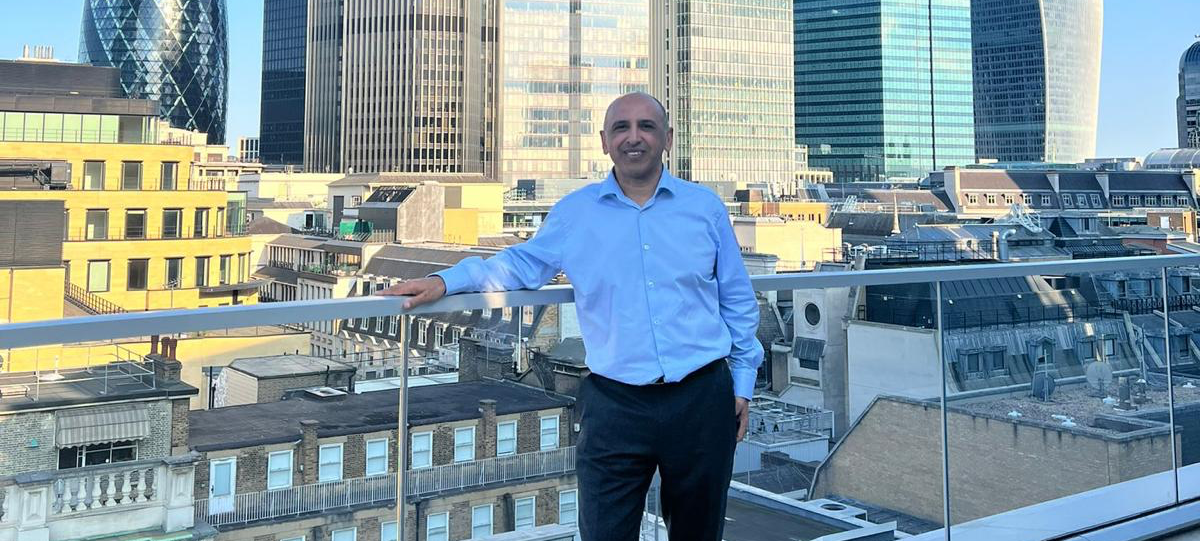
Dipak Mistry is 62 and lives in Watford. He works at a senior level in investment banking and describes himself as someone who plans carefully, compares options and likes to make informed decisions. As he talks, it becomes clear that this approach isn’t just about shopping, it reflects his broader sense of responsibility, both at work and in family life.
Dipak is also a member of Voice®, a global citizen community connected to the National Innovation Centre for Ageing, where people share their lived experiences to help shape products, services and policy for longer lives. He joined because he values the opportunity to offer his perspective beyond his day-to-day role.
When asked about advertising, his first reaction is that it often doesn’t reflect people like him. “Sometimes you just find that the people in the adverts are… polished models,” he says. “Nothing like what we look like probably.” For him, this creates a distance. “There should be more people who are like the more everyday people. You relate to the advert better really that way.”
“Sometimes you just find that the people in the adverts are… polished models. Nothing like what we look like probably.”
He doesn’t reject advertising altogether. He still notices what works, particularly when it is memorable. “The whole purpose of an advert is to grab your attention,” he says. “If there’s something that you remember, you’re going to remember it.” He points to Virgin as an example: “a bit quirky,” but distinctive enough to stand out.
There is a balance here. He understands the role of aspiration, the well-dressed man in an aftershave advert, the suggestion that using a product might make you feel like a better version of yourself. But he also recognises that this is not reality. “It’s like a virtual world,” he says. For him, advertising works best when it combines some level of creativity with a sense of realism.
“I don’t mind paying more… where you know you can get good customer service.”
That preference for realism carries through into how he makes decisions. “I don’t really impulse buy,” he says. “I do a lot of background reading.” Whether it is insurance, travel or larger purchases, he compares options, reads reviews and looks for the best value. He is “quite happy spending half an hour digging around just to save £5,” not because he needs to, but because “it’s just the way you’ve been brought up.”
This approach reflects something about identity as well as behaviour. For Dipak, being careful, prepared and in control is important. He takes pride in making considered decisions and avoiding unnecessary risk. Trust plays a key role in this. He is sceptical of influencers and celebrity endorsements, often feeling they are “out there just to promote” rather than give genuine advice. Instead, he trusts people and platforms that feel independent, such as Martin Lewis, doctors on television, and review sites such as Which? or What Car?. “They’ve got nothing to gain,” he says. “That’s the difference.”
Photography by Daniel Adesina
This idea of credibility extends to how he chooses brands. He is not strongly driven by status or image. While he wears branded clothing, it is because of “the quality and the fit,” not the label itself. He would not spend heavily on a product purely for branding if he feels a similar quality can be found elsewhere.
Where he is willing to pay more is for service and reliability. He gives the example of John Lewis, describing how a product bought years earlier was repaired without issue. “You know you can always go back to them,” he says. For him, that reassurance matters. “I don’t mind paying more… where you know you can get good customer service.”
Alongside this practical decision-making, the conversation also reveals how Dipak sees himself at this stage of life. He is 62, but does not identify with stereotypical ideas of ageing. He still values looking smart and taking care in how he presents himself. At the same time, he is not interested in following short-term trends. He prefers things that last, whether that is clothing, products or decisions.
There is also a strong sense of responsibility in how he describes his life. Family is central. “We stick together,” he says. He talks about regularly seeing his brother, staying in touch with family abroad, and the importance of looking after older relatives.
When asked what brands could do better, his answer is straightforward. Advertising should feel relevant to the people it is aimed at. It should reflect real lives, not just idealised versions.
This sense of duty has shaped his recent years. He describes supporting his parents through illness, travelling regularly to help with care while managing a demanding job. He does not frame this in emotional terms, but as something that had to be done. “I’m not very good at expressing my feelings,” he says. “I keep it to myself and try and sort it out myself.” That approach, managing pressure privately, is something he presents as normal.
During this period, he experienced a heart attack, which he describes as coming “out of the blue.” Looking back, it reflects the level of pressure he had been carrying, even if he had not openly acknowledged it at the time.
Now, with those responsibilities no longer in place, he describes a different phase of life. “I’m in the best place ever,” he says. There is more freedom, more time to travel, and more opportunity to make choices for himself and his wife. This transition is important. It marks a move from a period defined by responsibility to one with more flexibility and personal choice.
When asked what brands could do better, his answer is straightforward. Advertising should feel relevant to the people it is aimed at. It should reflect real lives, not just idealised versions. “It’s more realistic really,” he says. “You’d relate to them more.”
For Dipak, that sense of recognition is what makes the difference, between something that simply catches attention, and something that feels credible and worth acting on.

 &
&