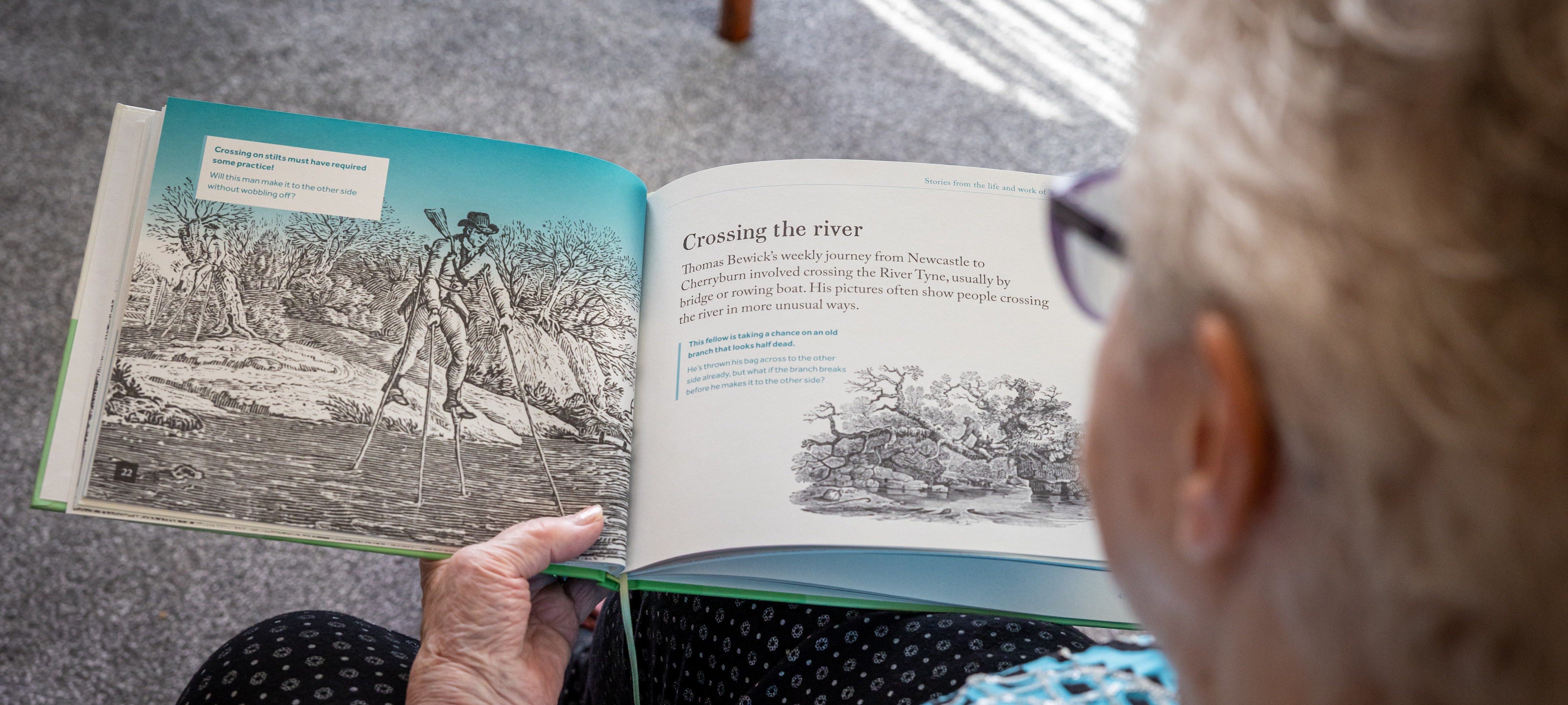
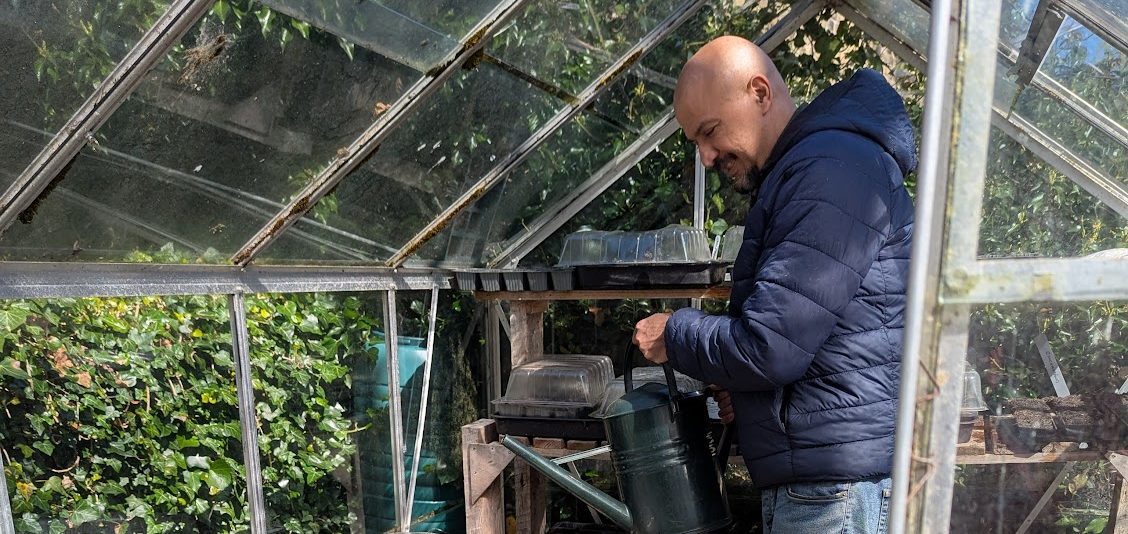
Voice members in Neo workshop
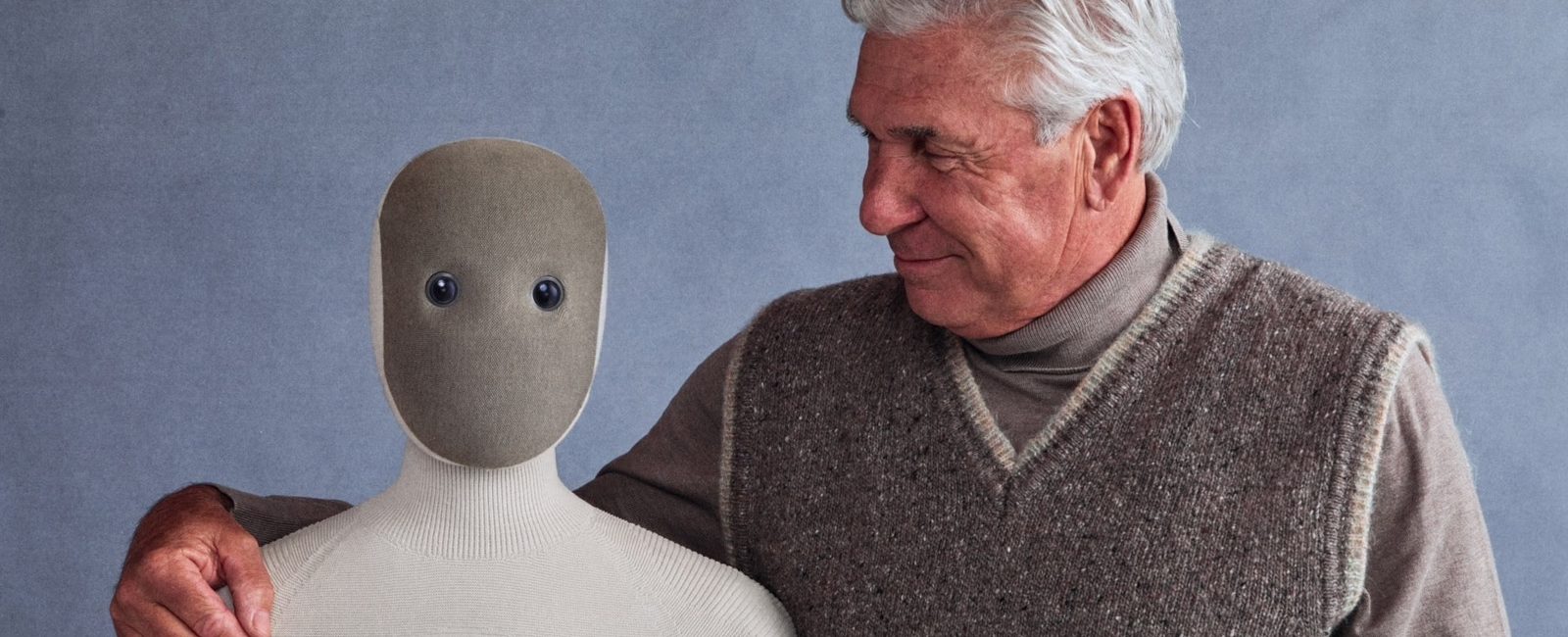
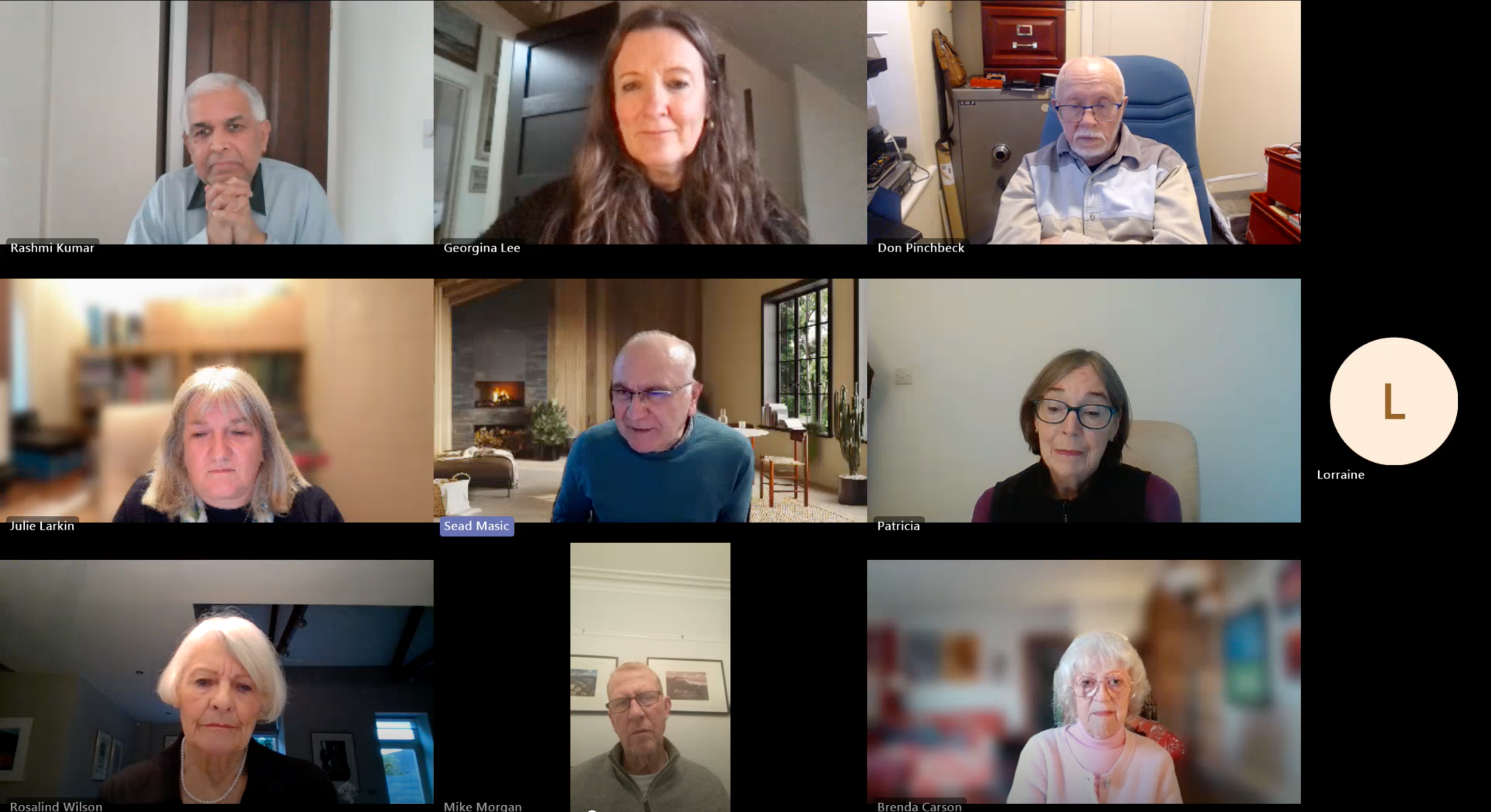
As part of NICA’s Ageing Intelligence™ approach, where innovation is shaped through the lens of lived experience, we invited Voice members aged 56 to 85 to take part in an open conversation about the future Neo represents. The goal wasn’t to review features or judge performance, but to explore how it feels to imagine ageing alongside intelligent machines. Neo may have sparked the discussion, but a deeper question echoed through the room: How do we want to live, care and connect in a longer-lived world?
“We are human beings and we need to feel and react,” Patricia.
Curiosity, Not Fear
What emerged first was not fear, but curiosity. The tone was open, grounded and quietly optimistic. Rashmi (55) described a sense of “opportunity” and even “excitement,” while Saeed (61) and Brenda (74) offered gentler shades: “puzzled but hopeful” and “quietly optimistic.” No one was swept away by Neo’s capabilities. Instead, people wanted to understand the purpose behind the design, not what Neo can do, but what it should do, and for whom. Threaded through their responses was a shared belief that progress must be empathetic, meaningful and felt, not simply demonstrated.
Care Is More Than Tasks
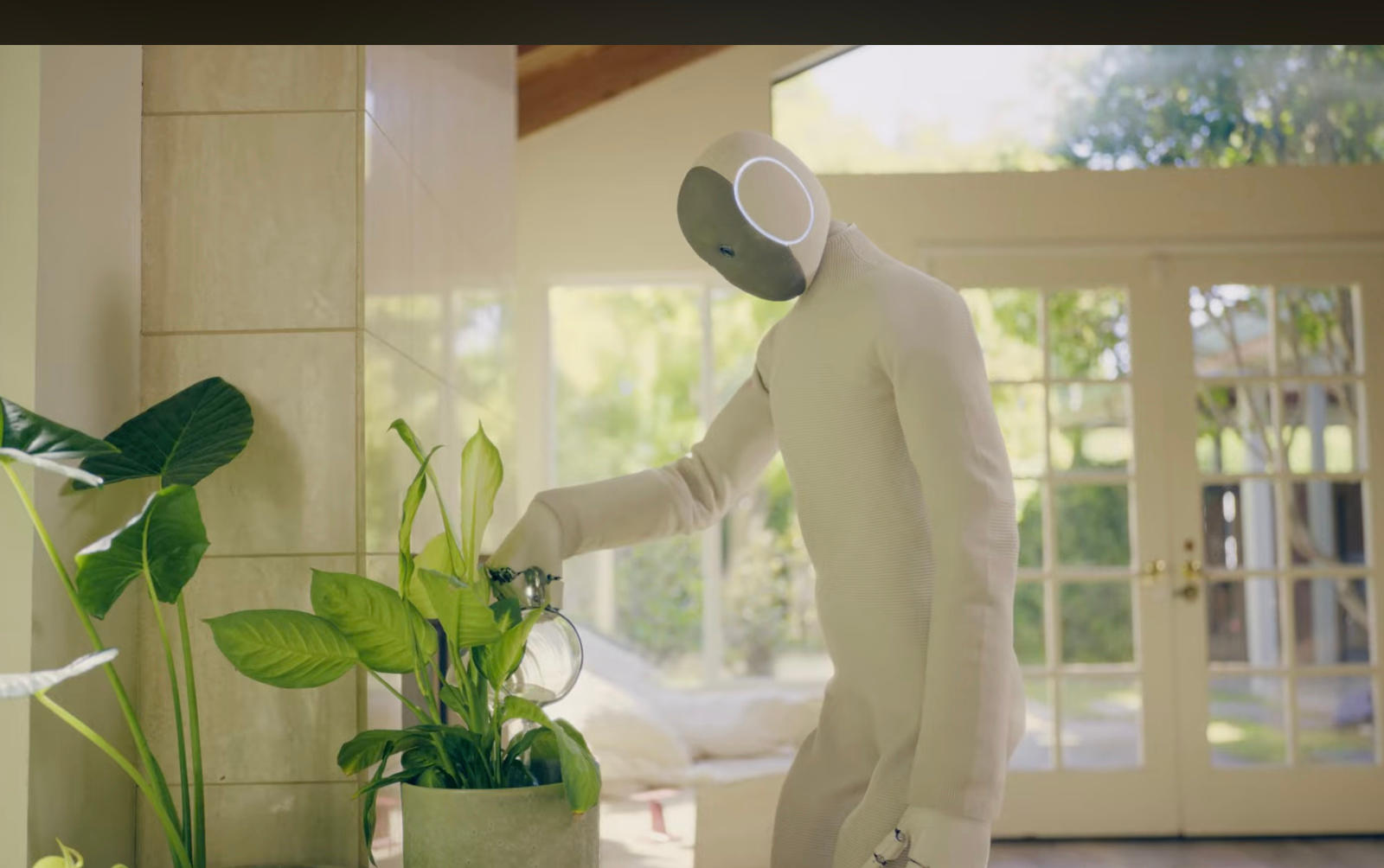
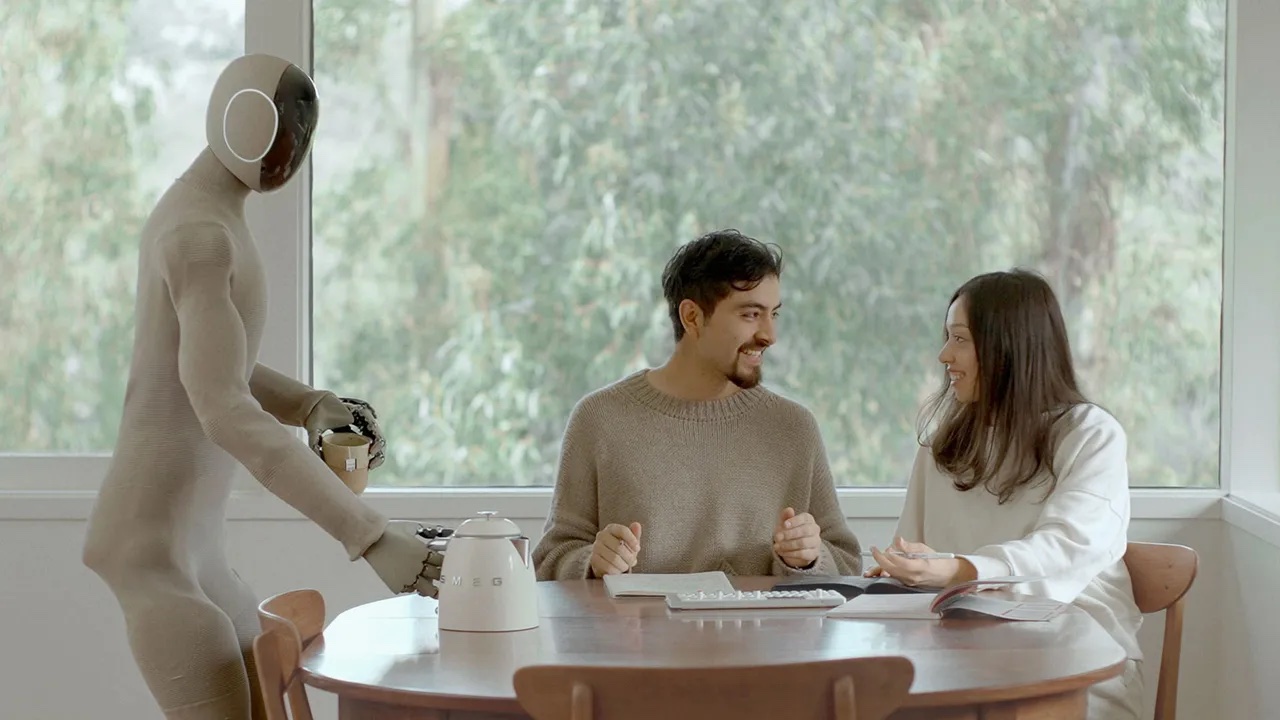
When the discussion turned to care, everything slowed. Julie (62), who cared for both her parents, described those years as “precious.” Patricia (80) added a truth that resonated with the whole group: “We are human beings and we need to feel and react.” Nobody doubted that robots could make practical care easier. The lifting, the fetching, the prompting to do things were all useful. But the warmth that makes care meaningful, the humour and tenderness that sit at its centre, must remain human. Neo might lighten the physical load, but it should never displace the emotional heart of caring.
“Over-support makes people dependent,” Mike.
Empowerment Over Replacement
Another theme ran strongly through the conversation: technology should support independence, not quietly erode it. Mike warned (66) that “over-support makes people dependent,” calling instead for robots that “coach, not replace.” Saeed imagined exoskeletons that enhance mobility rather than take it over, and Julie offered the familiar reminder that ability withers when it isn’t used. Taken together, these reflections formed a clear vision, of a future in which machines are partners, not substitutes, helping people stay confident and capable for longer.
We need robots that "coach, not replace," Mike.
Trust Begins With Practicality
Practical concerns shaped much of what came next. Rashmi encouraged developers to “pick one thing and do it brilliantly, then expand,” while Lorraine (56) asked the question at the heart of good design: “What problem are you solving?” Brenda raised concerns about remote-operation systems, “If it’s call-centre controlled, I’m not using it” and Saeed questioned how data control would work in real life. Ros (80) wondered what would happen “in a power cut mid-lift.” These weren’t complaints, they were the seasoned insights of people who have seen too many technologies arrive with promise and leave with disappointment. Their message was simple: start small, be transparent, and prove reliability. Trust grows from what works.
Companionship, On Your Terms
Loneliness surfaced too, but not as the simplistic justification often used for social robots. Brenda noted that AI “doesn’t get impatient,” and Don (85) explained that familiar virtual faces can calm people with dementia. Yet boundaries remained clear. Lorraine’s candid humour, “I don’t want to wake up with a robot standing over me,” sparked warm laughter. The point was unmistakable that companionship should be a choice, not a prescription. Technology can expand the spectrum of comfort and connection, but it must never dictate it.
What problem are you solving?” Lorraine
A People-Powered View of Innovation
Across the whole session, one theme kept resurfacing: real progress starts with the people who will actually live with the outcomes. At NICA + Voice, this isn’t a slogan, it’s the foundation of our work. Listening isn’t something that happens at the end of innovation, once the prototypes are built. It’s the beginning. It’s the method. It’s the filter that keeps good ideas from becoming bad assumptions.
We’ve seen this repeatedly through projects like Infuriating Objects, where Voice members helped map out the everyday irritations that designers and engineers often overlook, the too-small buttons, the awkward packaging, the tech that assumes perfect eyesight or flawless mobility. By surfacing those frustrations, people weren’t complaining; they were offering blueprints for better design. They were saying, “here’s where it sticks, here’s where it could be kinder, here’s where life could be easier.”
The conversation with Neo followed the same spirit. Voice members aren’t passive respondents; they’re co-creators. They shape the questions worth asking, the features worth building, and the boundaries worth protecting. If robots are going to support longer lives, it won’t be because technology was perfected in a lab, it will be because people shaped its purpose from the ground up.
“I want a bigger voice in how it is developed,” Ros.
Shaping, Not Resisting, the Future
As the workshop closed, the tone remained thoughtful, hopeful and grounded. Lorraine summed up a shared sentiment: “Resigned it’s coming but hopeful we put safeguards around it.” Ros echoed the appetite for meaningful involvement: “Useful and I want a bigger voice in how it is developed.”
Neo may have prompted the conversation, but the deeper theme was humanity; how we care, how we connect and how we choose to age in a world where machines are becoming more present. Perhaps the real measure of progress won’t be how human our robots become, but how human we remain while building them.
Voice members reminded us of something essential. When we begin with listening, technology moves away from imitating care and closer to truly supporting it. And perhaps that’s the message Neo carries to the wider world of developers: the future of ageing won’t be engineered at people, it will be co-created with them, shaped by curiosity, wisdom and lived experience.

 &
&