Shame, stigma and the quiet belief that “this is just what happens” keep too many people from seeking help. A major 2024 review of more than 20,000 women found the same pattern across high-income countries, ot enough knowledge, not enough conversation, and too often the fear that symptoms will be dismissed.
If we’re living longer lives, and we are, then pelvic health becomes not just a “women’s issue,” but a longevity issue. One that shapes how we move, work, parent, age, and participate in our communities And that’s where Suzanne Vernazza’s story begins.
A Spark, A Gap, A Calling
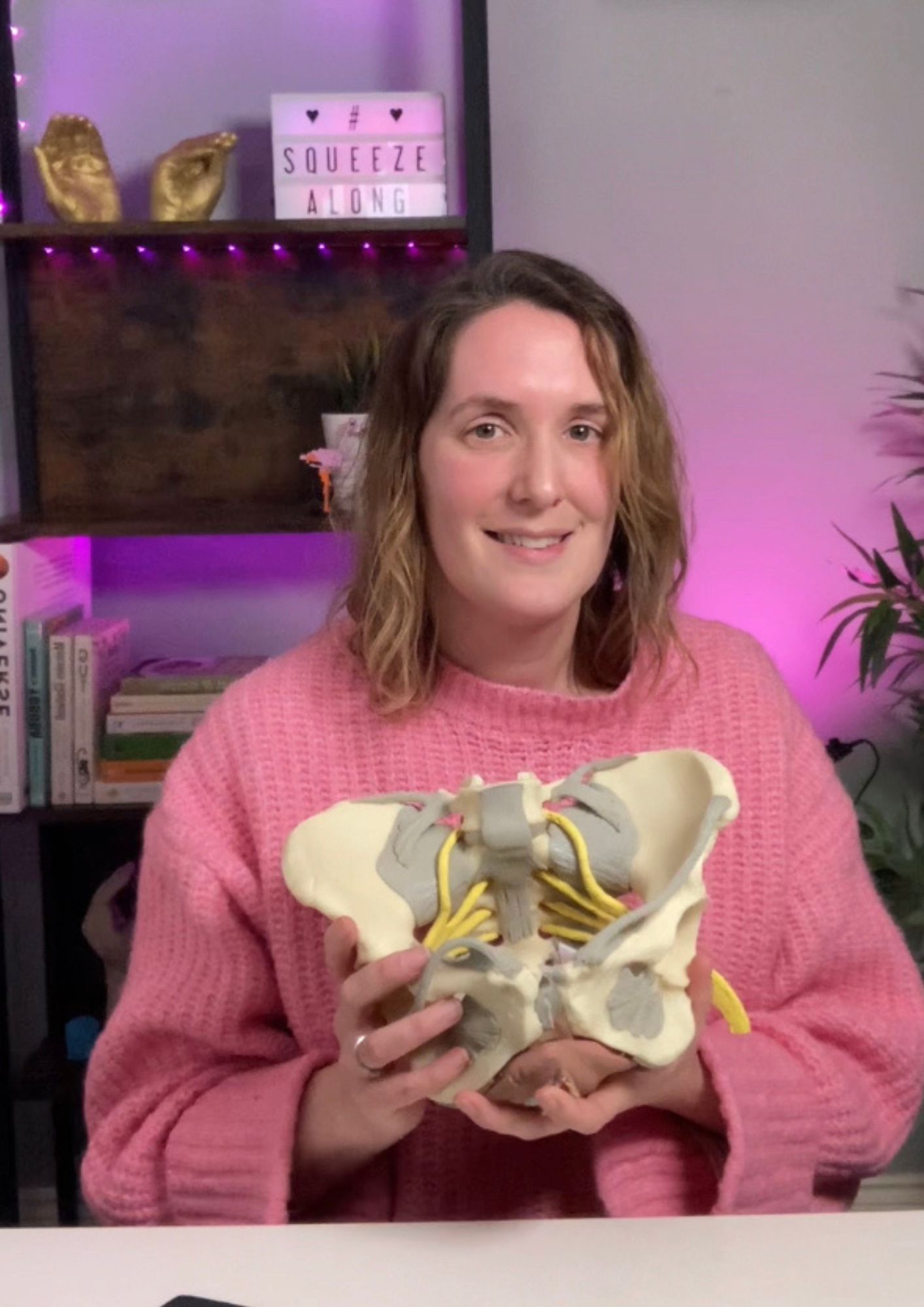
Suzanne trained as a physiotherapist, working in what was then called Women’s Health (now Pelvic Health), and she loved it. But it wasn’t until she had her own children that the gap in the system became impossible to ignore. As she puts it, “Nobody had talked to me about my pelvic floor.” Suddenly, the professional work she’d always cared about collided with her own lived experience and the silence around pelvic health felt not just surprising, but urgent.
When she returned from maternity leave and stepped back into pelvic health clinically, she realised something startling. Suzanne was the only part-time specialist for an entire area. No wonder no one had told her anything. People weren’t being ignored, the system was simply stretched beyond capacity. Yes, she made a difference to the people she could reach. But in her words, she also grew frustrated, “I knew I was hardly reaching anybody.”
This is often how innovation begins, with an experience that doesn’t sit comfortably with us. A sense that something should be better. And curiosity strong enough to ask, “What if…?”
COVID, Waiting Lists, and a New Idea
When the pandemic hit, Suzanne was pulled away from pelvic health entirely. Waiting lists grew. People who needed help weren’t getting it. And she knew that simply returning to business as usual wouldn’t be enough.
So she created Know Your Floors, a not-for-profit designed to educate, empower and give people support long before they reached a clinic room. She tried surveys. She trained healthcare professionals. She built an online course. Then she tried something new, she tried social media. It blew up.
Sharing simple pelvic floor exercises and myth-busting content, she found thousands of people hungry for guidance. Many wrote to her to say it had already changed their symptoms. But she also knew social media wasn’t enough.
So she began developing an app, one that could be used while people were waiting for NHS appointments, or before symptoms ever escalated. But she needed something else. Something even the best clinician can’t build alone and that was a wider range of real voices.
Why Real People Matter More Than Perfect Design
Suzanne knew what her online community wanted. But she also knew that wasn’t everyone. Many people dealing with pelvic floor symptoms aren’t scrolling Instagram for advice. Some don’t even have the language to describe what’s happening in their bodies. So she came to Voice and the Internet of Caring Things (IOCT) programme at the National Innovation Centre for Ageing.
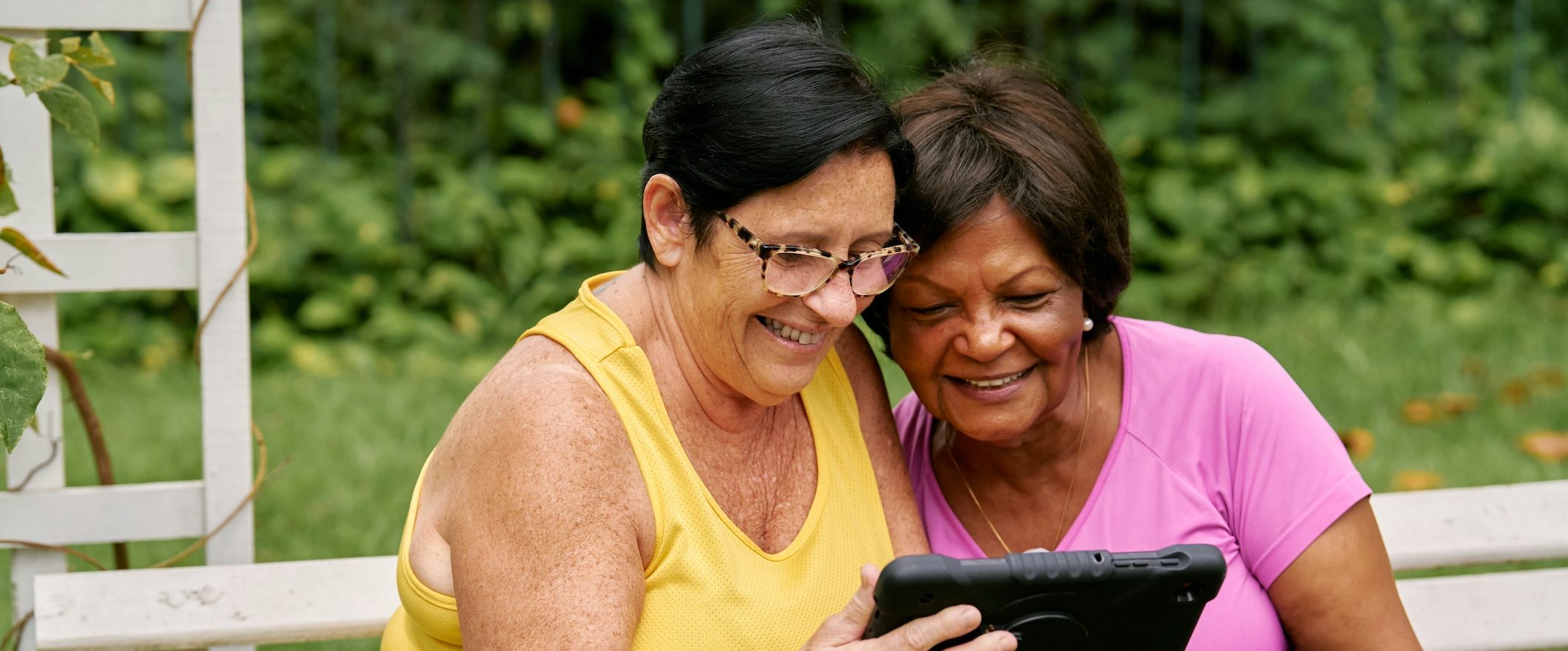
A call went out to the Voice community, and people of different ages, backgrounds, and levels of digital confidence came together. Some with lived experience, others simply curious and keen to learn. What united them wasn’t expertise, but openness and a shared desire to help, to make a difference in people’s lives, and to be part of an innovation journey that could genuinely change things for the better.
The project began with a survey, then moved into a workshop. What Voice members brought wasn’t just feedback, it was clarity. As Voice member Evette reflected, “It was really interesting being part of the Know Your Floors workshop. It was interactive, and it sparked discussions about things I’d never even thought about. We could ask direct questions and share any concerns we had about the prototype app, which I loved, it meant the whole product could learn and improve.”
The insights were rich and diverse. Some wanted the design to feel more “clinical.” Others loved the playful “Duolingo for pelvic floors” approach. Some raised questions Suzanne hadn’t even considered. And because none of them knew her personally, their honesty had room to breathe.
As Suzanne shared, “When I ask people directly, they tend to be nice because they don’t want to upset me. With Voice … there’s no bias.” This is the heart of why citizen involvement matters, it helps innovators see what they can’t see alone.
What’s Next for Know Your Floors?
The app is built and ready to go. Now Suzanne is focusing on the practical next steps, testing it, improving it, and securing funding so it can be used more widely, including in potential NHS pilots for people waiting for gynaecology care. Voice will stay involved as the work continues, helping to shape each stage with real experiences and real needs.
What Suzanne Wants Other Innovators to Know
For Suzanne, working with Voice did more than shape an app, it reshaped how she thinks about innovation. Citizen involvement wasn’t a tick-box exercise, it became a source of courage. Hearing honest feedback reassured her she was on the right path and challenged her where she needed to grow. It even sparked new connection, including one Voice member who Suzanne regularly bumps into and they always ask for an update on how things are going.
This is innovation done with care, not built in isolation, but shaped through neighbourhoods, workshops, questions, and shared experiences. It’s slower, more human, and ultimately far more effective.

 &
&