Photography by Getty Images on Unsplash
Curiosity sits at the centre of REFRESH, a major study funded by the National Institute for Health and Care Research (NIHR), the UK’s public funder of health and care research. Working across 90 UK care homes and following more than 1,500 residents over a year, the project is led by the University of Plymouth and delivered through a partnership of universities and care organisations nationwide. Bournemouth University leads on public involvement, ensuring that the perspectives of residents, carers and staff shape the work throughout. On the surface, REFRESH is a clinical trial testing three approaches to treating malnutrition. But step closer and you see something more interesting taking shape. In this collaborative setting, REFRESH isn’t just investigating nutrition, it’s reshaping how research itself is done, asking what changes when studies are designed with older people, not merely about them.
That insight helped shape the chef-prepared fortified-food arm of the trial, recognising that nutrition is not only biological but deeply relational.
Starting With Curiosity, Not Assumptions
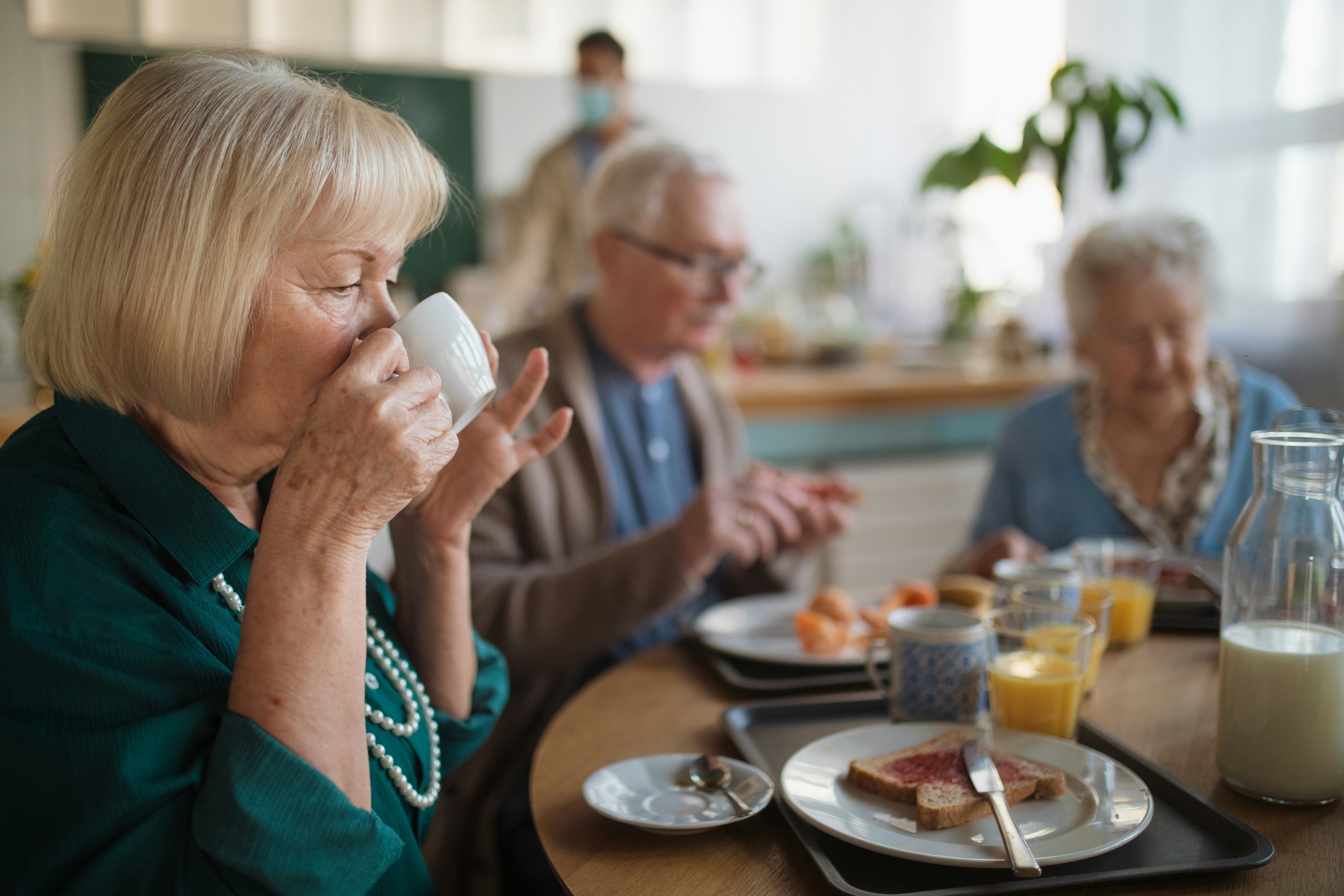
This shift begins with researcher Kate Jupp , who spent a considerable amount of time visiting care homes long before any funding was secured. Instead of arriving with answers, she arrived with questions. She spoke with residents, carers, cooks, cleaners and managers, anyone who could help her understand what food means in a setting where illness, frailty or memory loss can alter something as simple as a meal.
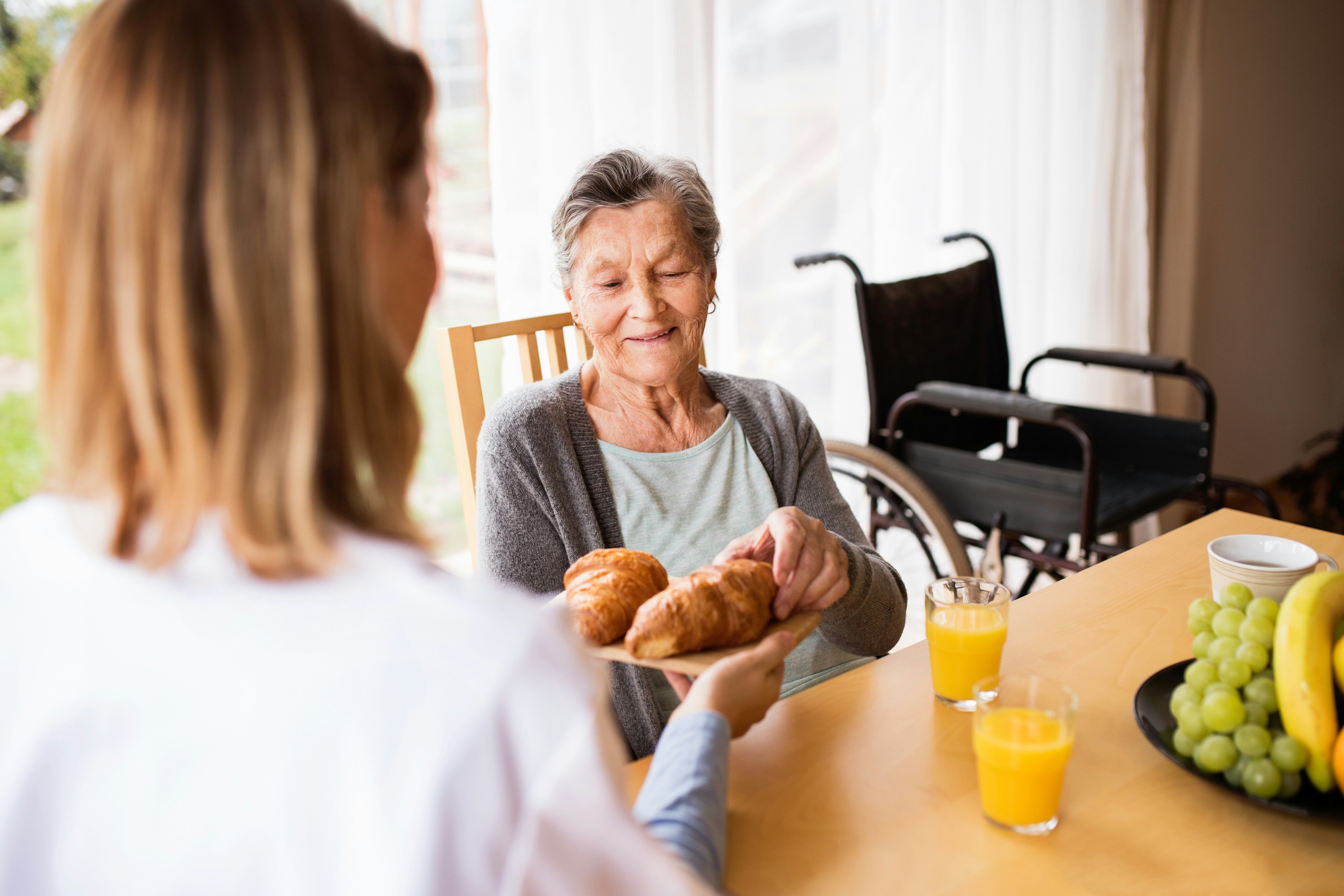
In one poignant moment, a resident offered a line that would quietly steer the study’s direction, “If Geoff (the chef) has gone to the trouble to cook it for me, I’ll eat it. I like to eat leave an empty plate.” It was an everyday comment with a profound message. Food isn’t just fuel, it’s trust, routine, comfort, and a way of showing that you are willing to go the extra mile. It’s a bridge between people. That insight helped shape the chef-prepared fortified-food arm of the trial, recognising that nutrition is not only biological but deeply relational.
Photography by Getty Images on Unsplash
Bringing More Voices Into the Room
Once the study was funded, the team partnered with Voice, our citizen longevity innovation community, to ensure REFRESH reflected the range of people who live and work in care homes. Kate describes this as essential rather than optional. “We wanted to increase the range of voices involved,” she explained. “Voice was fundamental in being able to do that.”
Voice members now sit on the Trial Steering Committee and the Patient Advisory Group, contributing in ways that feel natural and meaningful to them. This isn’t research that extracts insights, it invites them, building a shared sense of ownership and possibility.
Malnutrition quietly increases illness, prolongs hospital stays, reduces independence and places enormous strain on already stretched health systems. So the question REFRESH is exploring, ‘what truly works to support good nutrition in care homes?’ is one with global implications.
Seeing the Study Through Lived Experience
You can see this collaboration come alive in the details. When Voice members reviewed information given to residents, carers and staff, they didn’t just improve wording. They considered the whole experience — the tone, the illustrations, the layout, and the manner of delivery. Their advice was refreshingly human, “don’t begin with a leaflet. Begin with a conversation.”
The fortified recipe book went through a similar transformation. Dietitians had created nutritious dishes and Voice members made those dishes recognisable and inviting. “That’s not something my 90-year-old mother would eat,” one member said, nudging the team towards more familiar ingredients. Others asked for vegan, lactose-free and culturally diverse options. With each suggestion, the book moved closer to everyday reality and further from abstraction.
Even ethics discussions shifted. When an ethics committee raised questions about how residents should be approached, the grounded insight from Voice members helped guide decisions. Their lived experience offered a clarity that protocols alone couldn’t provide.
Creating Space for Honesty and Challenge
Kate believes the strength of this partnership comes from investing time in trust.“If people feel safe in the space you’ve created, they will share what they think,” she told us. And in REFRESH, they do. Voice members don’t merely approve what’s in front of them. They interrogate it. Stretch it. Improve it.
“It’s not just checking that it’s OK,” Kate said. “It’s, here are the bones and how can we make it better?”
It’s a powerful reminder that innovation grows brighter when we create a safe environment for challenge rather than consensus.
Photography by Getty Images on Unsplash
Why This Work Matters Far Beyond the UK
Every country is experiencing its own version of a demographic shift. A 33-year-old today will be in their 60s by 2050, part of the largest older population the world has ever known. Many of us will one day rely on forms of care, or support people we love who do.
Malnutrition quietly increases illness, prolongs hospital stays, reduces independence and places enormous strain on already stretched health systems. So the question REFRESH is exploring, ‘what truly works to support good nutrition in care homes?’ is one with global implications.
But perhaps the study’s greatest lesson isn’t about supplements or fortified meals. It’s about how we build the future of care. REFRESH shows what becomes possible when we treat lived experience as expertise, when we design with people rather than for them, and when curiosity becomes the starting point for better ageing.
It reminds us that good research, like good care, begins with listening and that the wisdom we need is often already in the room, waiting to be heard.

 &
&