From family stories to a science of long life
Dr Raina’s journey into ageing wasn’t a single moment of inspiration but a series of small, curious pivots. He told us that as a teenager who had just moved from South Asia to Canada, he was expected to choose between medicine or engineering. Instead, working in labs unlocked something else. “I realised I really liked research – the idea of trying to figure things out,” he said. “It brought out my imaginative and creative side.” A conversation with a statistician introduced him to epidemiology, the discipline where data, people and social impact meet. “It felt like the best combination of research, something similar to medicine, and social impact,” he explained.
But there was a deeper thread too. His family history puzzled him. “On my father’s side, people lived into their 90s or 100s. On my mother’s side, life tended to be shorter, even though the environments were similar.” That early contrast, coupled with talk of demographic change, nudged him toward ageing. “It started to click,” he said. “Ageing could be an interesting area. It brought together everything, physiology, pharmacology, drug interactions, all things that become more pronounced as people age.”
Ageing as complexity and privilege
One of Dr Raina’s strongest messages is that ageing is never just biology. “Genetics matters, not as much as we once thought, but it does matter,” he said. “Biology matters, but so do social factors, psychological factors, and the environment.” When he looks back at the long-lived branch of his family, he sees not only genes, but lifestyle, relationships and personality playing equally important roles. And he is adamant about something many societies forget: “It’s actually a privilege to live long. It’s a remarkable human achievement to have the life expectancy we have today.”
He reminded us how recently that shifted. “From the 1500s to the 1800s, life expectancy was around 40,” he noted, and it was sanitation, clean water, better nutrition, safer childbirth, and of course the introduction of Penicillin. “We can do everything right personally,” he added, “but if the environment is terrible, you can’t survive.” For him, ageing is a success story made possible by policy as much as personal choice.
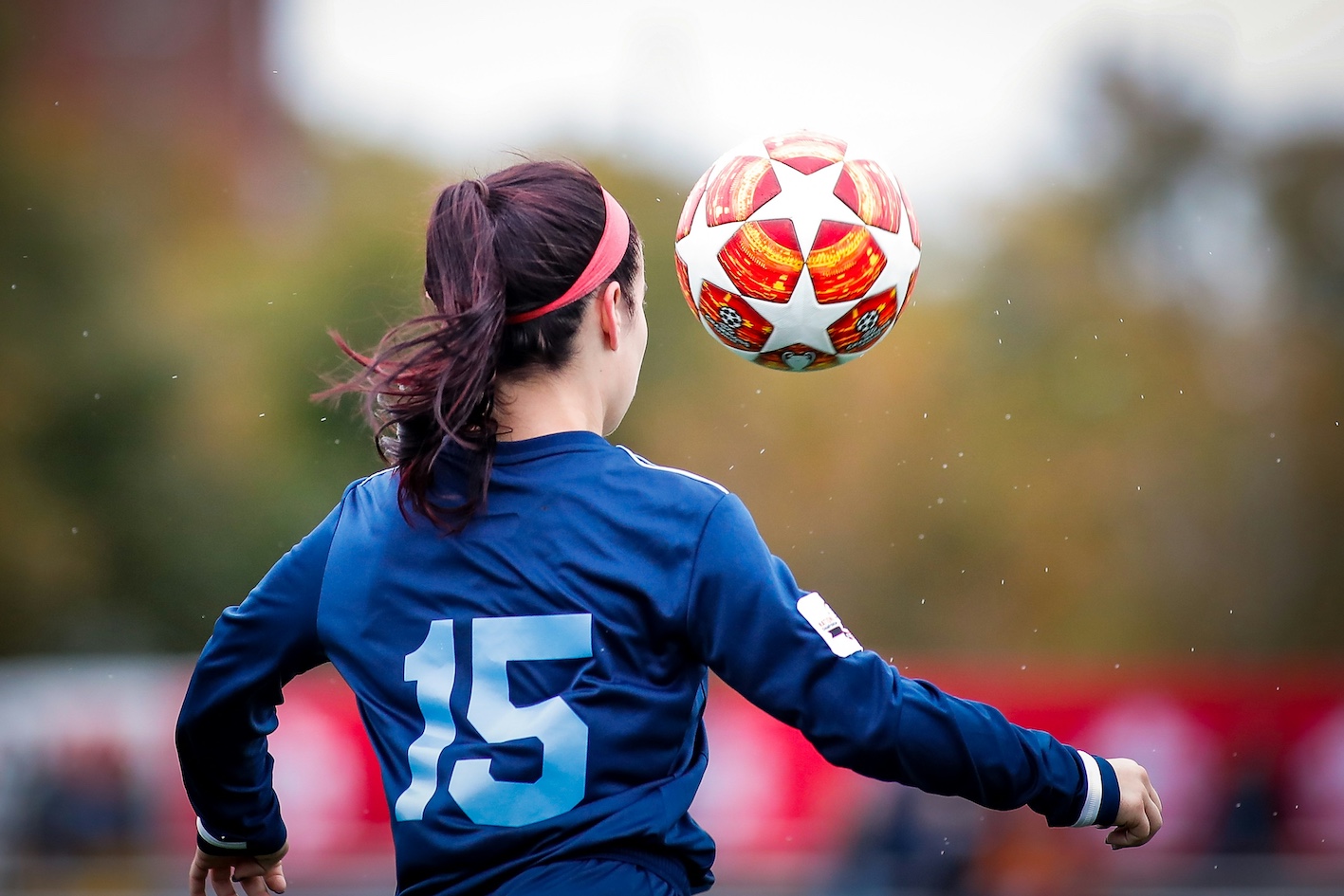
And this is where he becomes most animated. “If we don’t have data on diverse populations, we’re going to start getting answers that miss a large proportion of people,” he said. Then he offered his favourite analogy: football. If you ask Chat GPT or an AI tool who has scored the most goals in international football, the answer would be Cristiano Ronaldo. “But Ronaldo is fourth,” he said. “The top two are women. Six of the top ten are women. And the number one goal scorer in the world is Canadian; Christine Sinclair.” So why doesn’t the search results provide unbiased answers? “Because our data-synthesis models are biased,” he explained. “If we don’t provide data that leads to unbiased results, we’ll get biased ones.”
What keeps him curious and one piece of wisdom
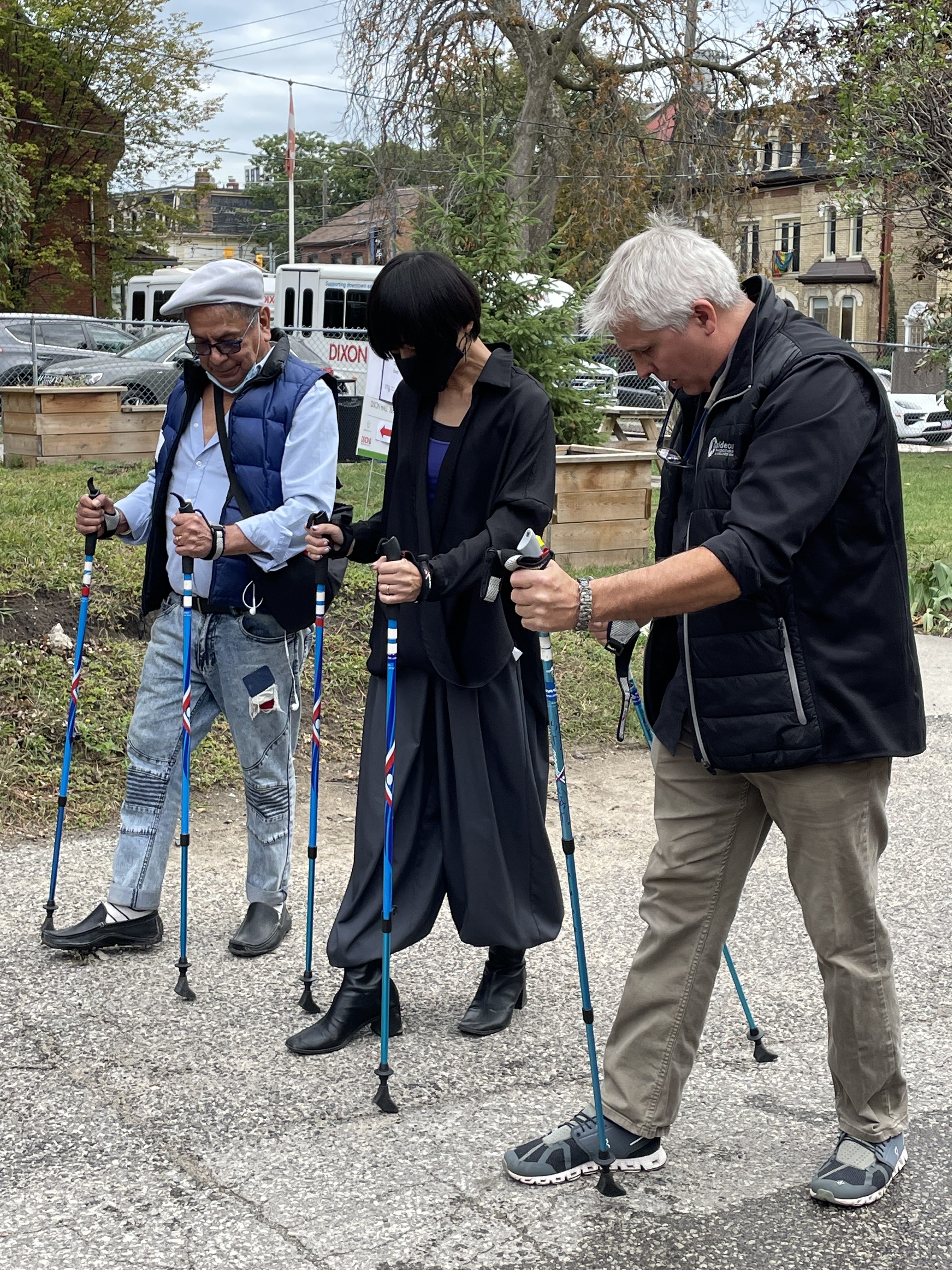
Dr Raina is particularly excited about mobility as “a sixth vital sign for ageing,” inspired by an older woman in one of the studies led by Dr. Marla Beauchamp, Director of the MIRA | Dixon Hall Centre, who told her, “I knew something was wrong long before I ended up in the healthcare system.” For her, the earliest clues were tiny changes in how she moved. “Mobility is neurological, physiological, biological and social,” he said. “How can we catch people early enough so they don’t fall off the cliff? Here, our team of researchers saw smart technology as a potential ally in capturing pre-clinical changes in mobility. You’re never going to walk around with a watch that tells you, ‘Your gene A isn’t working well today,’” he said. “But you can easily create a digital tool that tells you, ‘You’re moving slower than usual, is something going on?’”
Before we ended, we asked for one piece of advice for living not just longer, but better. His answer was immediate: “Have purpose in life.” Purpose, he explained, shapes movement, social connection, appetite and motivation. “If you don’t have a purpose, you won’t move. If you don’t have a purpose, you won’t have social connections,” he said. “That’s why health declines for so many after retirement, suddenly, they’ve lost purpose.”
For Dr Raina, purpose, intergenerational connection, good policy, high quality data and lived experience are all strands of the same story, the story of how we grow older together in ways that are fair, meaningful and deeply human. And that is why Voice matters so profoundly to him. The future of ageing won’t be built in labs alone; it will be built by all of us, and it begins, as he keeps reminding us, with your voice.

 &
&