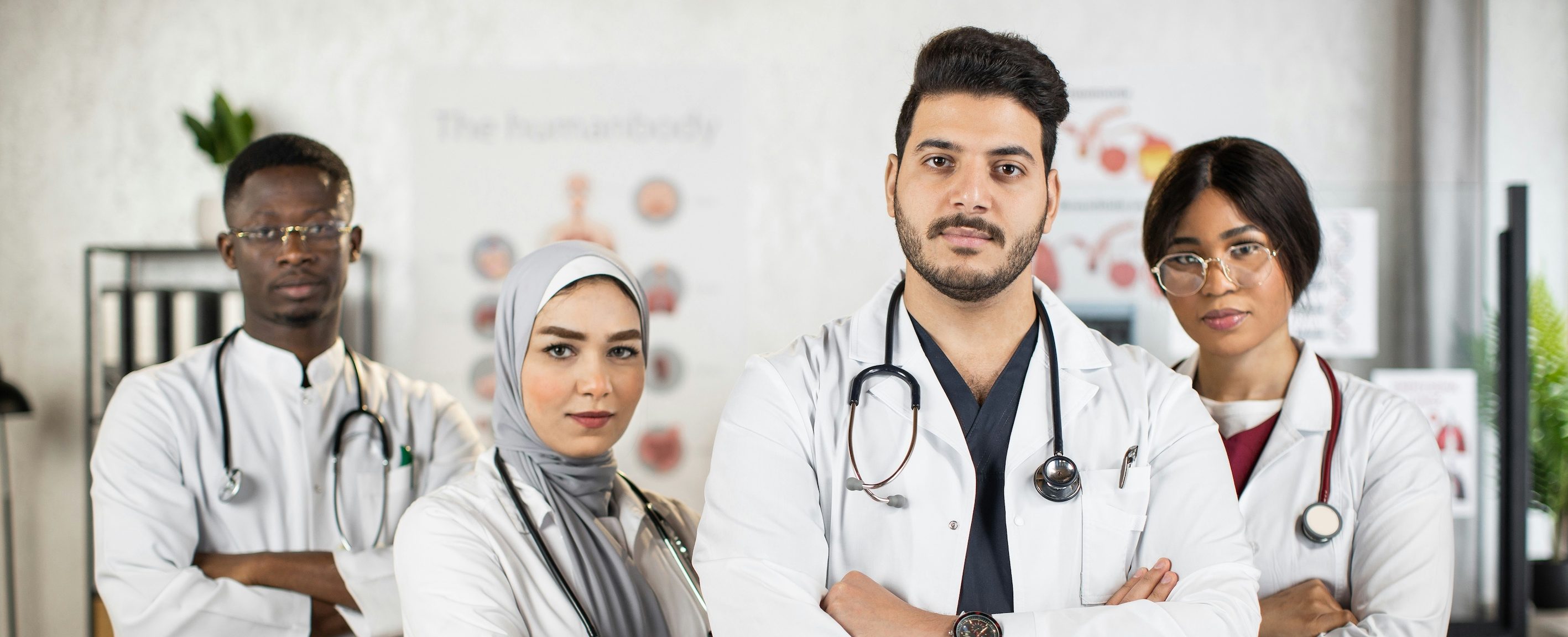
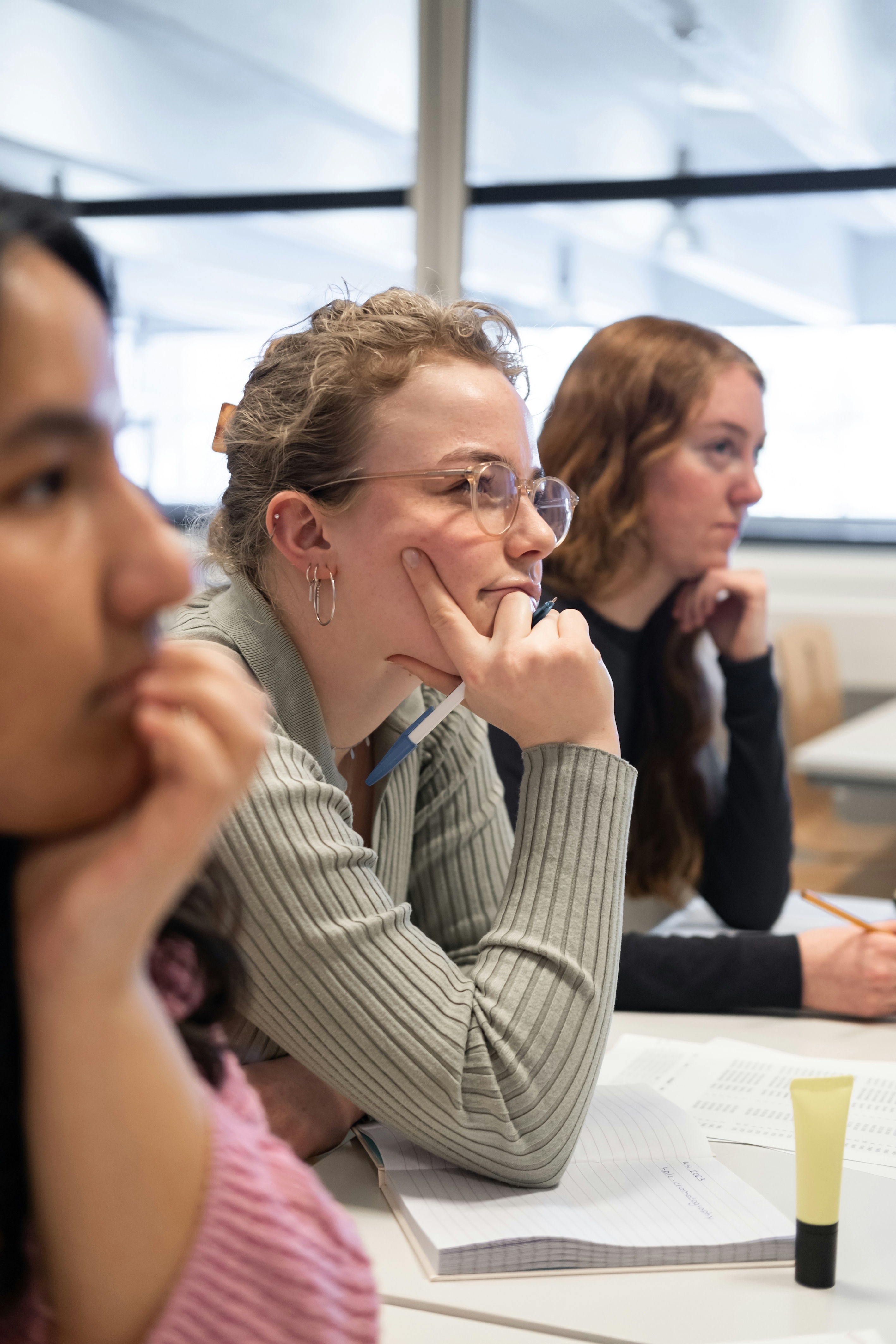
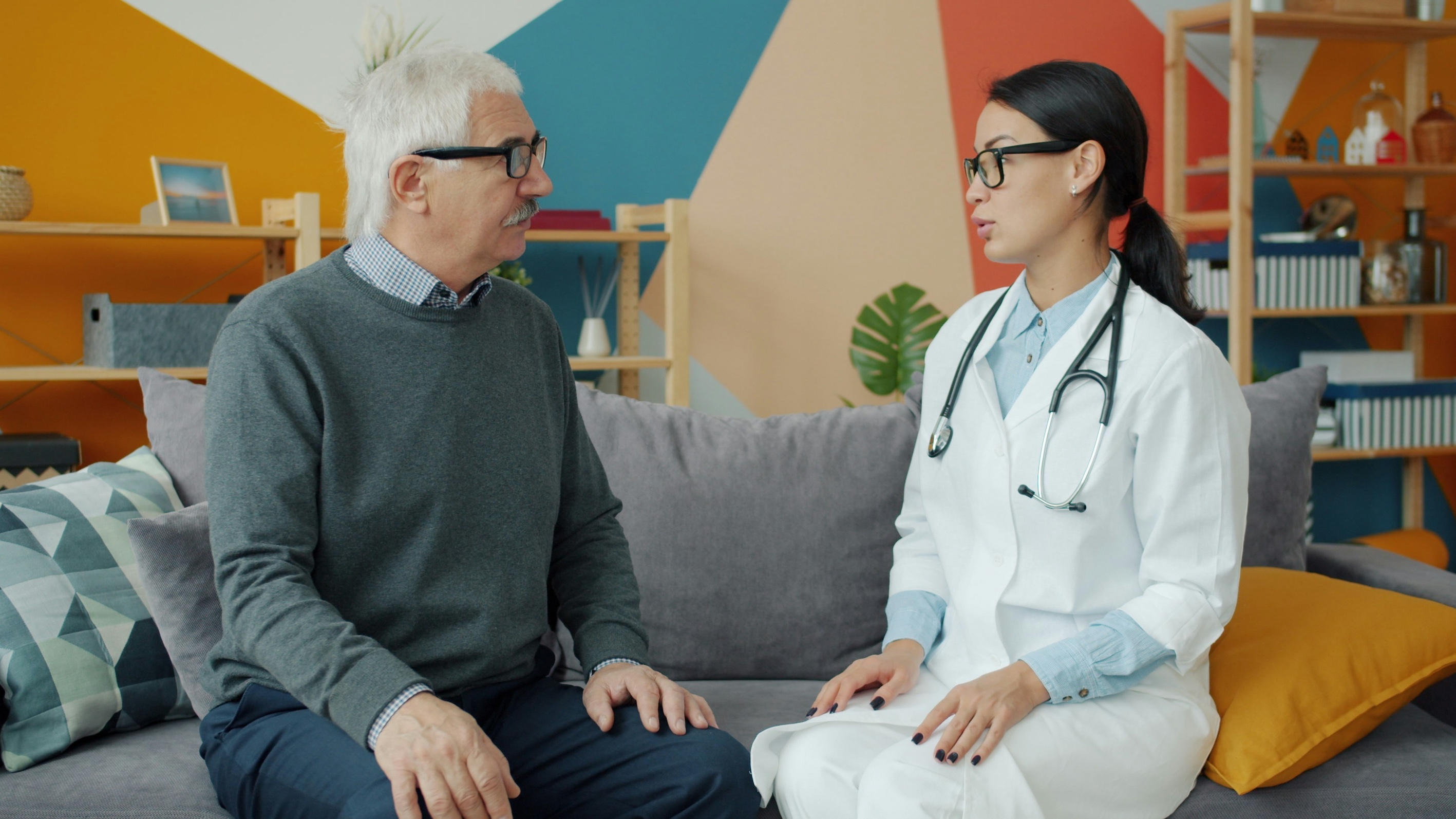
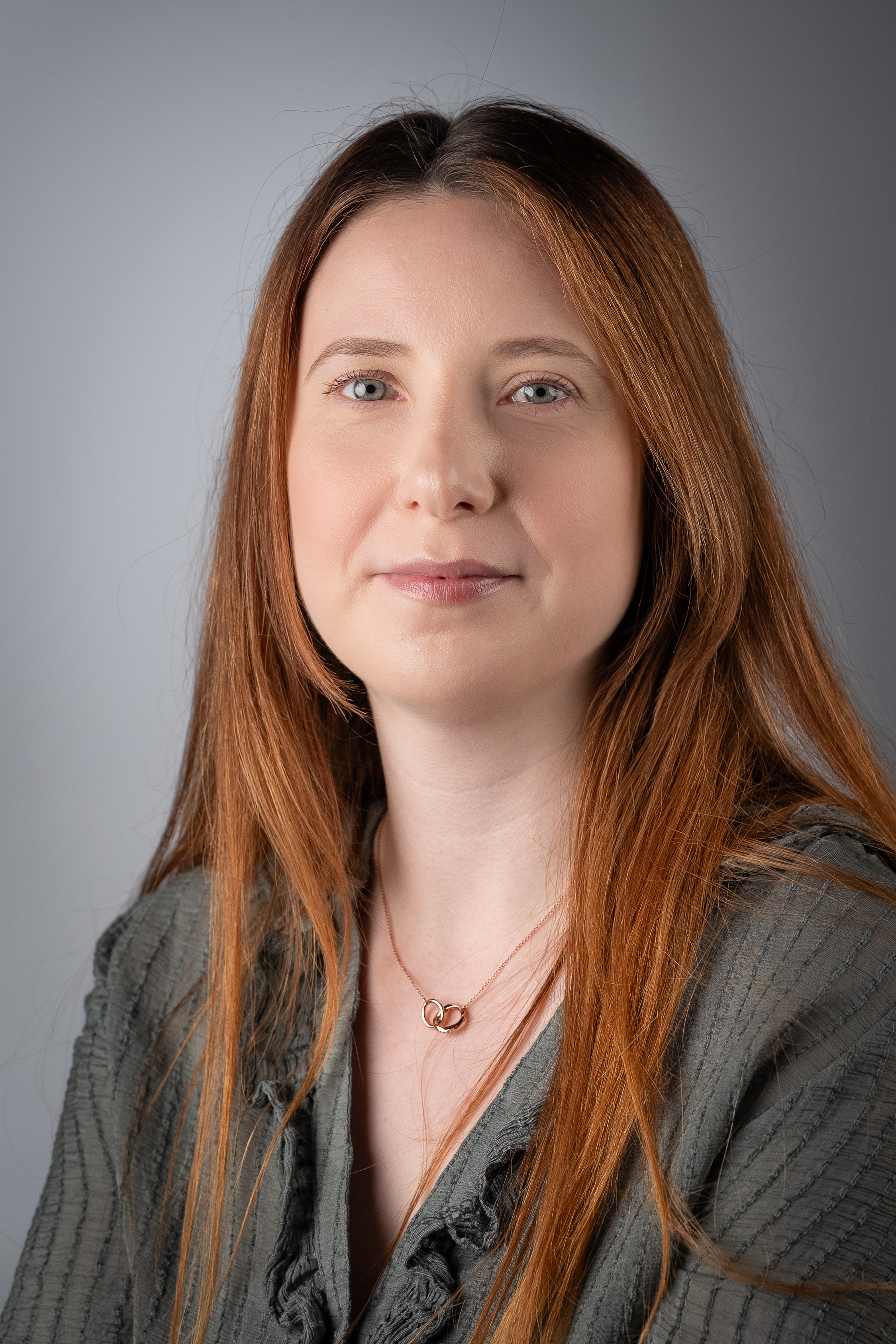
Photography by Kubra Arslaner
A Curriculum Built Around Real Lives
This work sits within a core unit that weaves together the psychological and social dimensions of health, the wider forces that shape our bodies and our wellbeing. As programme lead, Dr. Nichola Jones, Teaching and Research, Fellow puts it, the unit offers “a slightly wider concept of health and well-being, looking at those wider determinants of health.”
Students learn the science, yes. But they also join small-group sessions that pull back the curtain on life with chronic illness. The aim is simple and radical, to help new doctors understand not just what a condition is, but how it feels, what it changes, and who it affects.
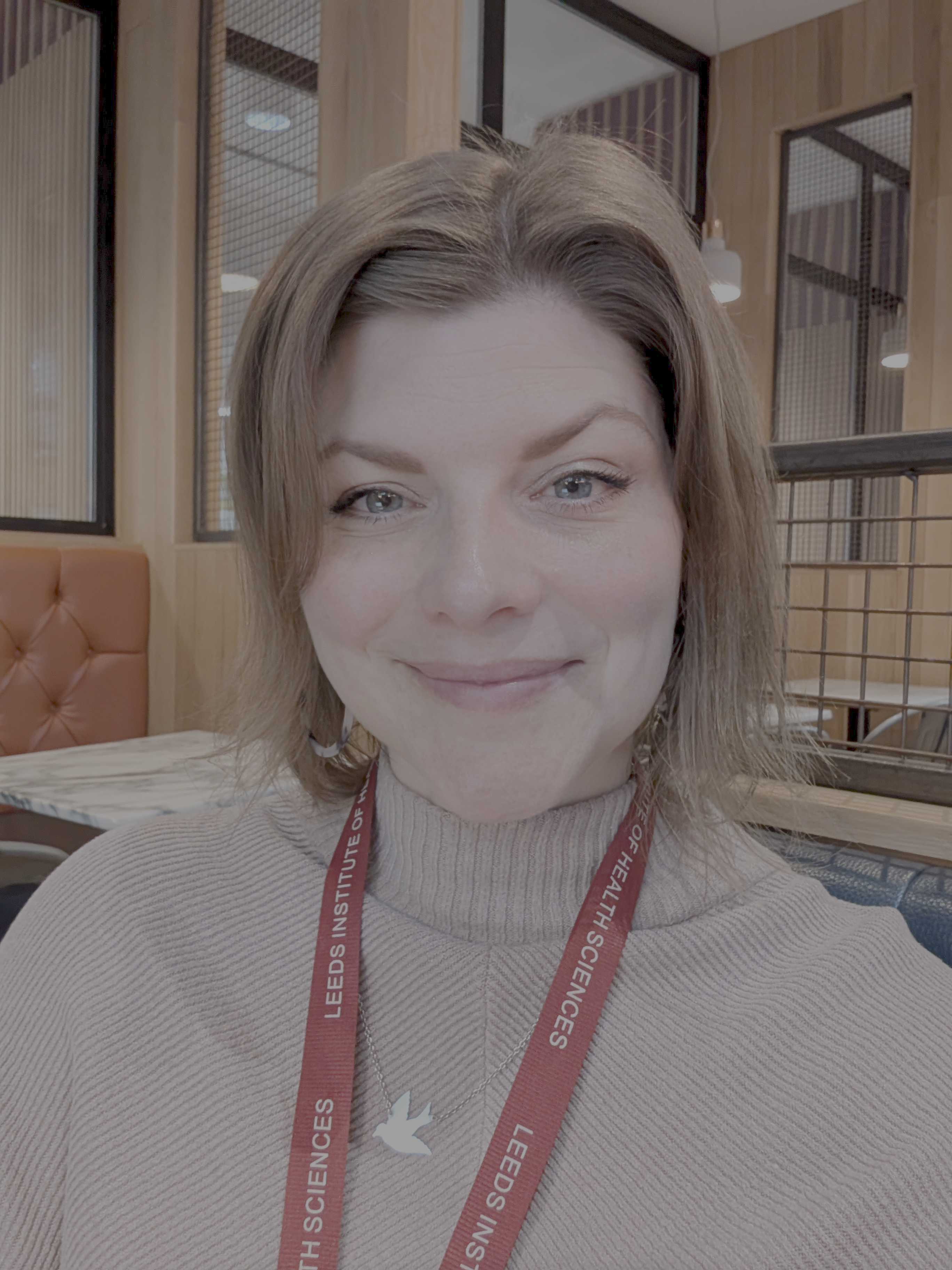
Researcher Dr. Nichola Jones
Learning From Experience, Not Assumptions
In Term 2, pairs of students meet volunteers, our Voice members, who live with or care for someone with a long-term condition. These are not rehearsed stories. They are lived ones. Voice member Becky, who cares for both her parents, told us what it was like to share her experience, “As a carer for my parents for nearly 20 years, both who have multiple long term health conditions, I was able to use my lived experience to answer questions from first year medical students on how long term health conditions impact our lives. The students were well prepared with questions, with such empathy and sensitivity too. I felt my experiences helped them understand challenges and they listened with such interest. I felt my experiences may have helped them think beyond the medical side, but also the person and people behind the conditions.” Her words reflect something powerful, the moment when students begin to see beyond the textbook and into the reality of a life.
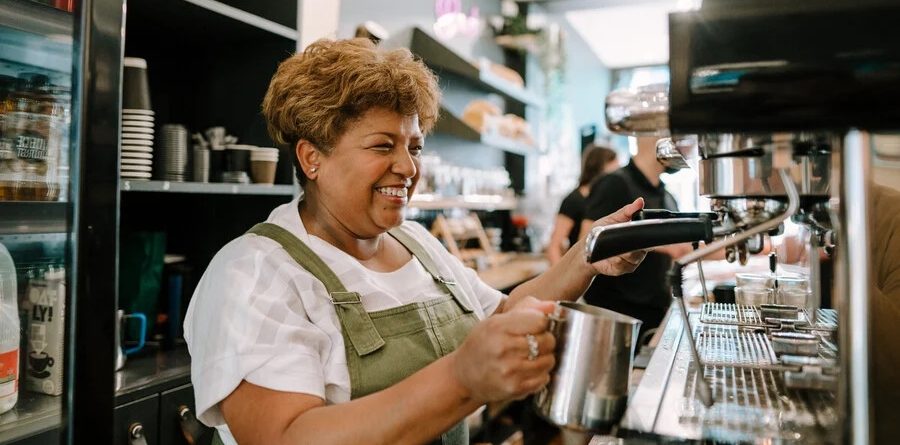
Photography by Curated Lifestyle
The Small Details That Change Everything
Students often arrive with tidy assumptions about what a condition “should” look like. But as Dr. Lucy Prodgers , Lecturer in Psychological and Social Medicine explains, the conversations quickly reshape those ideas. “They usually come back with some surprises, things that have caught them by surprise that they weren’t expecting.” It’s the texture of daily life, the disrupted routines, the resilience, the relentless admin of appointments and medications that leaves the biggest mark. Lucy says, “It’s those little bits of everyday life that they wouldn’t anticipate, insights into those details you just don’t come across in general medical education.”
And alongside the challenges, students encounter something else, our members positivity, humour, and individuality. “They’ll be surprised how positive people are,” Lucy says. “You can be really, really ill but you’re still an everyday person with everyday lives.” And a world where many of us may live with long-term conditions for decades, this perspective matters. It reminds future clinicians that a diagnosis never tells you the whole story.
Photography by Vitaly Gariev
A Programme Students Choose to Show Up For
One of the clearest signs of success is the students themselves. “A lot of them really enjoy this term,” Nichola says. “You can see it even in something as basic as the attendance. Students are really engaged with this. They’re quite keen to get in touch with their volunteers.”
For a cohort juggling lectures, labs and assessments, this enthusiasm is striking and it speaks to the authenticity of the encounters. Coordinating more than 100 volunteers is no small feat, a task held together by coordinator Rosie Richardson, whom Nichola describes as “essential” to the project.
Rosie sees the value in the programme’s sheer diversity, “We had such good engagement last year. It’s interesting seeing the variation of conditions you don’t often hear about. It’s good that the students have a range of different conditions to look at.”
What makes this project more than a teaching innovation is what it prepares us for, a future where many of us will live much longer lives, often alongside one or more long-term conditions. In that world, the relationship between doctor and patient can’t be built only on clinical knowledge.
Why This Matters for a Longer-Lived Society
What makes this project more than a teaching innovation is what it prepares us for, a future where many of us will live much longer lives, often alongside one or more long-term conditions. In that world, the relationship between doctor and patient can’t be built only on clinical knowledge. It needs curiosity, empathy and a real understanding of how illness shapes a life, not just at its most dramatic moments, but in the small routines, compromises and acts of resilience that carry us through decades.
By introducing these conversations so early, Leeds is preparing future clinicians for exactly that reality. They learn to approach health not as a series of symptoms to manage, but as a story unfolding over time. And they start to see long-term conditions not as a fixed category, but as something lived, often with strength, humour and adaptability.
In a society where a 20-year-old today could live with a long-term condition for 50, 60 or even 70 years, this shift isn’t optional, it’s essential. Longer lives change the span of illness, not just its severity. And if we want people to thrive across that expanded lifespan, we need doctors who can meet patients as whole people, who understand the context of their lives, and who can build relationships that support wellbeing over time. Voice members play a powerful role in this. By sharing their lived realities, they’re helping shape a healthcare system ready for the future and one that is grounded in humanity as much as in science.
Shaping the Doctors We’ll One Day Need
Nichola and Lucy are committed to keeping lived experience at the heart of their work. “It’s such a valuable part of their students experience,” Nichola says, “especially so early in their careers. They start with that perspective of a person as a whole rather than discovering it later in practice.”
Because when students meet the people behind the conditions, they learn something no lecture can teach, that care begins long before a prescription, and continues long after a diagnosis.
Voice members are doing more than sharing stories, they are reshaping the way future doctors think, listen and respond. In doing so, they are helping build a healthcare system capable of supporting us across longer, more complex lives.

 &
&