Photography by Ross Sneddon
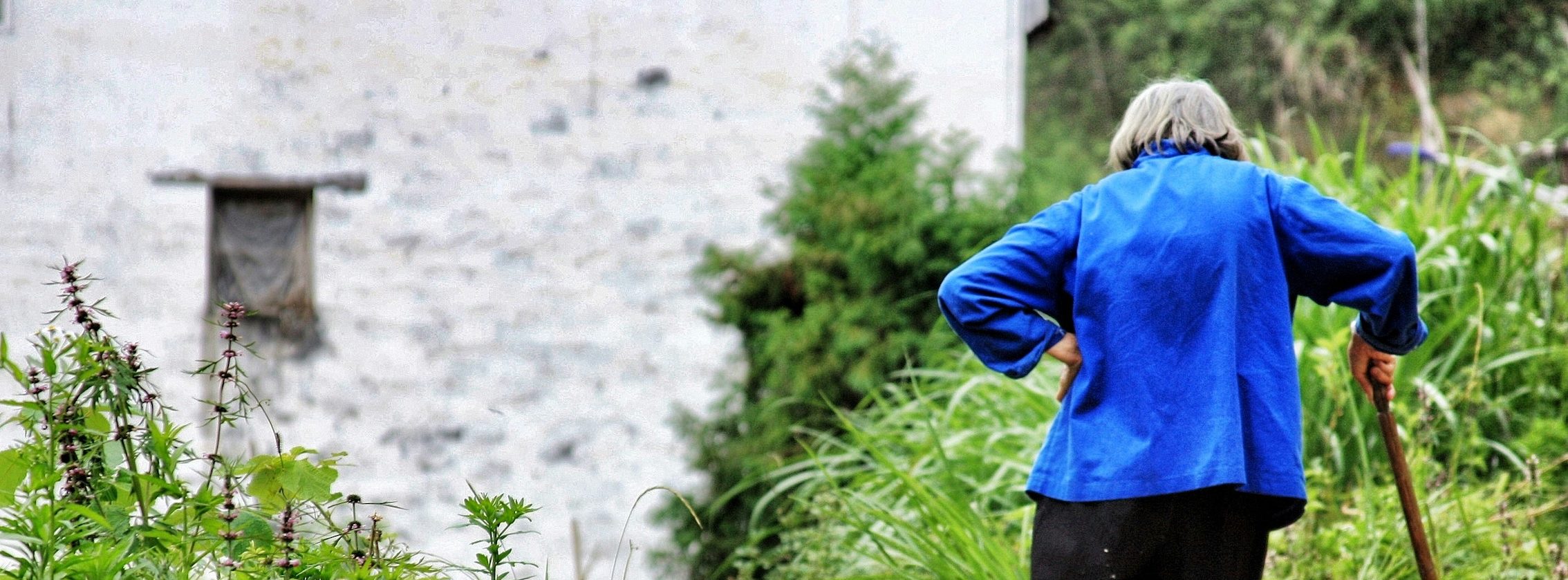
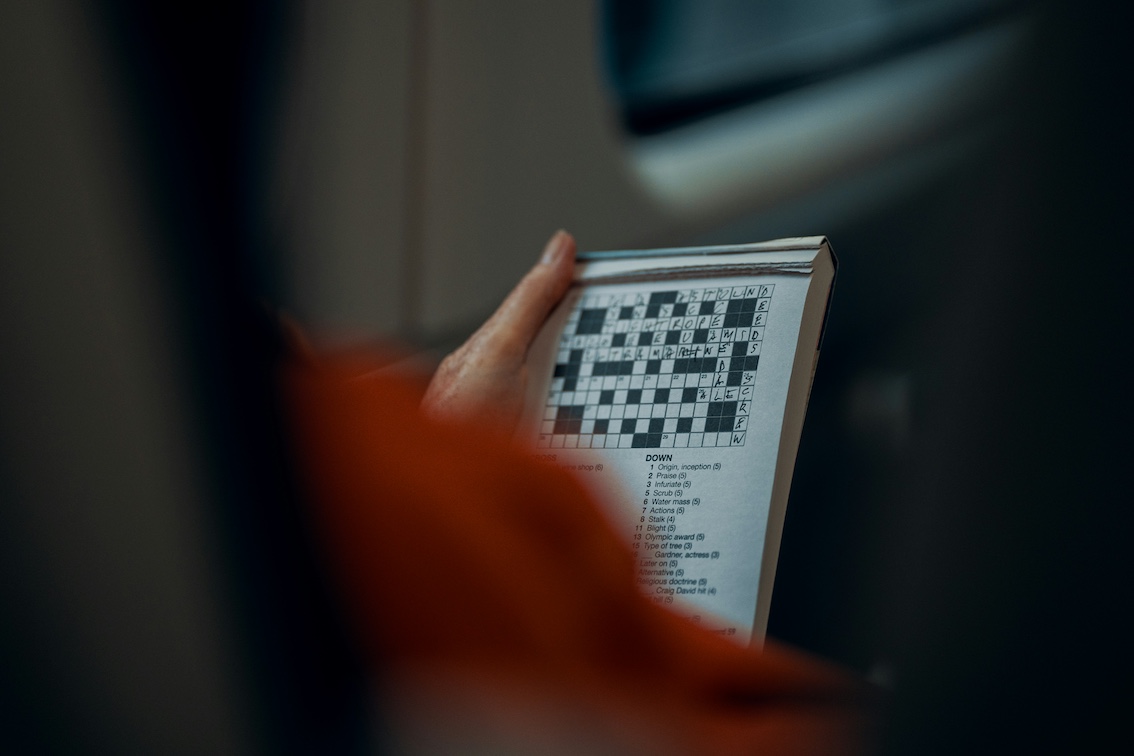
She fills her days with reading, crosswords, animals, gardening, cooking “a bit of everything,” as she says a life rich in interests but light on spontaneous company. Which is why she states it so simply, “If not for friendship, I would be truly isolated.”
Connection in later life isn’t guaranteed by geography or by group chats, it grows through participation, trust and those small everyday acts that say, I’m here. So what can we learn from the way Giuliana builds, keeps and values her friendships in a place where connection doesn’t just happen, you have to go out and make it?
If we hope to age well, who will we share the small moments with, the needs, the crises, the everyday laughter that make a life feel whole?
Friendship as Lifeline: “Sharing a Little Bit of Everything”
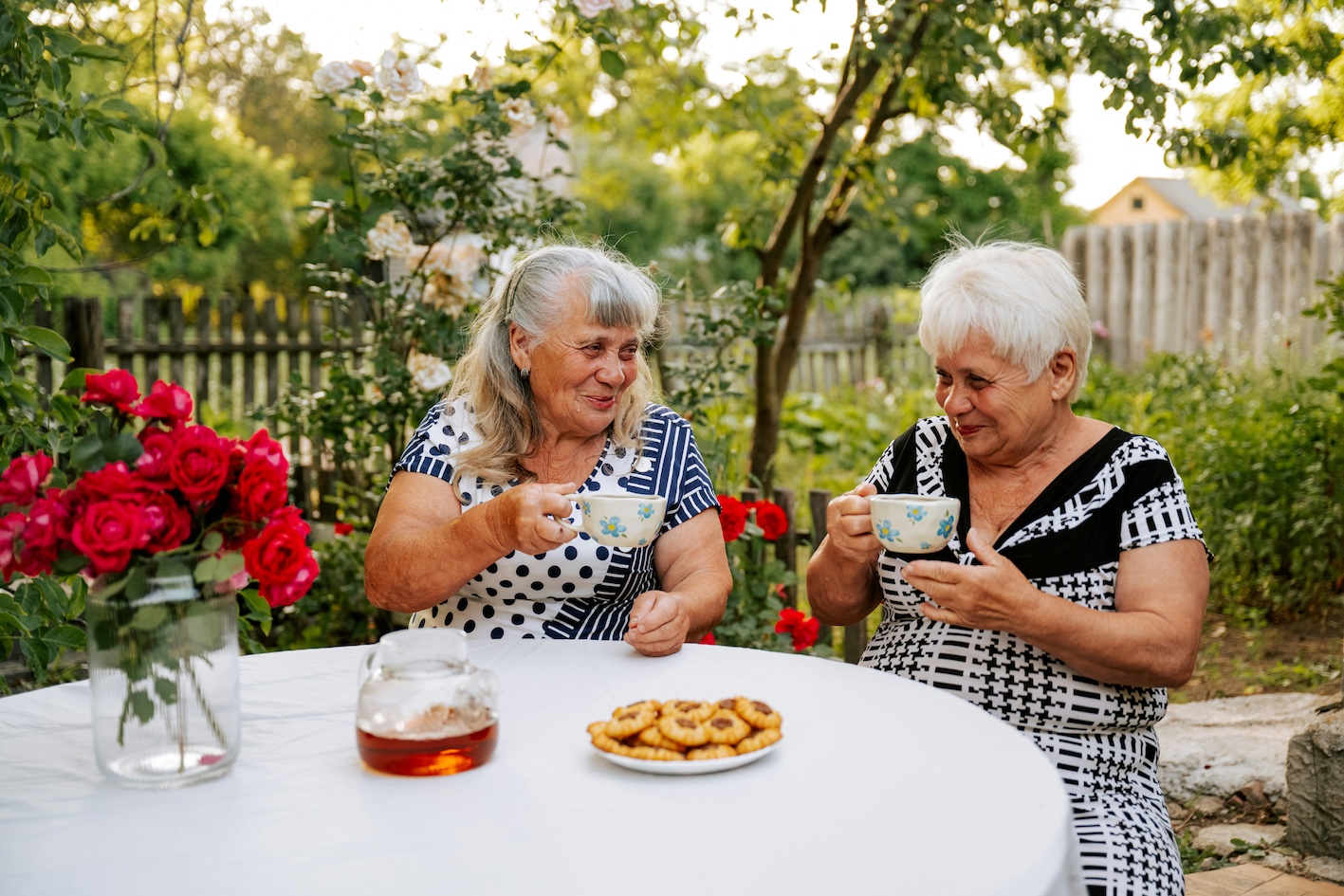
When Giuliana talks about friendship, she doesn’t reach for metaphors, she goes straight to the everyday. “Friendship is sharing a little bit of everything,” she says, whether that’s practical help, a worry, or simply the company that breaks up a long, quiet day. Living alone in the countryside, this isn’t a philosophy for her, it’s a necessity. Friendship isn’t something extra you fit in when you have time, it’s how you keep isolation at bay and stay connected to the world beyond your front door.
Her words remind us of something we often overlook, that social contact isn’t just emotional fuel, it’s infrastructure, as essential as any road or service that keeps a community functioning. And it raises a wider question for all of us in a world where we’re living longer and often further apart; if we hope to age well, who will we share the small moments with, the needs, the crises, the everyday laughter that make a life feel whole?
The True Friend: Someone Who Understands What You Don’t Say
Giuliana’s idea of a true friend offers a kind of everyday wisdom that feels relevant at any age. For her, it begins with emotional attentiveness, “someone who understands even things that are not clearly expressed,”a kind of wisdom that only grows through time spent together and genuine attention. It echoes what we’re hearing around the world, that people don’t just want company, they want to feel understood. But for Giuliana, understanding only matters if it moves into action. “Not everyone is willing to drive 5 km to bring you something you need, but a true friend will,” she says, grounding the definition in the small, practical gestures that make life feel less solitary.
In a world of instant messaging and algorithmic ‘friend suggestions,’ her reminder is disarmingly simple, that real friendship is built on presence, not proximity and the willingness to show up, consistently, in ways that are sometimes tiny and sometimes life-changing. It’s wisdom she’s learned not from theory, but from decades of being the friend who goes, and having friends who come.
Photography by Fellipe Ditadi
New Friendship Needs Rituals, Not Randomness
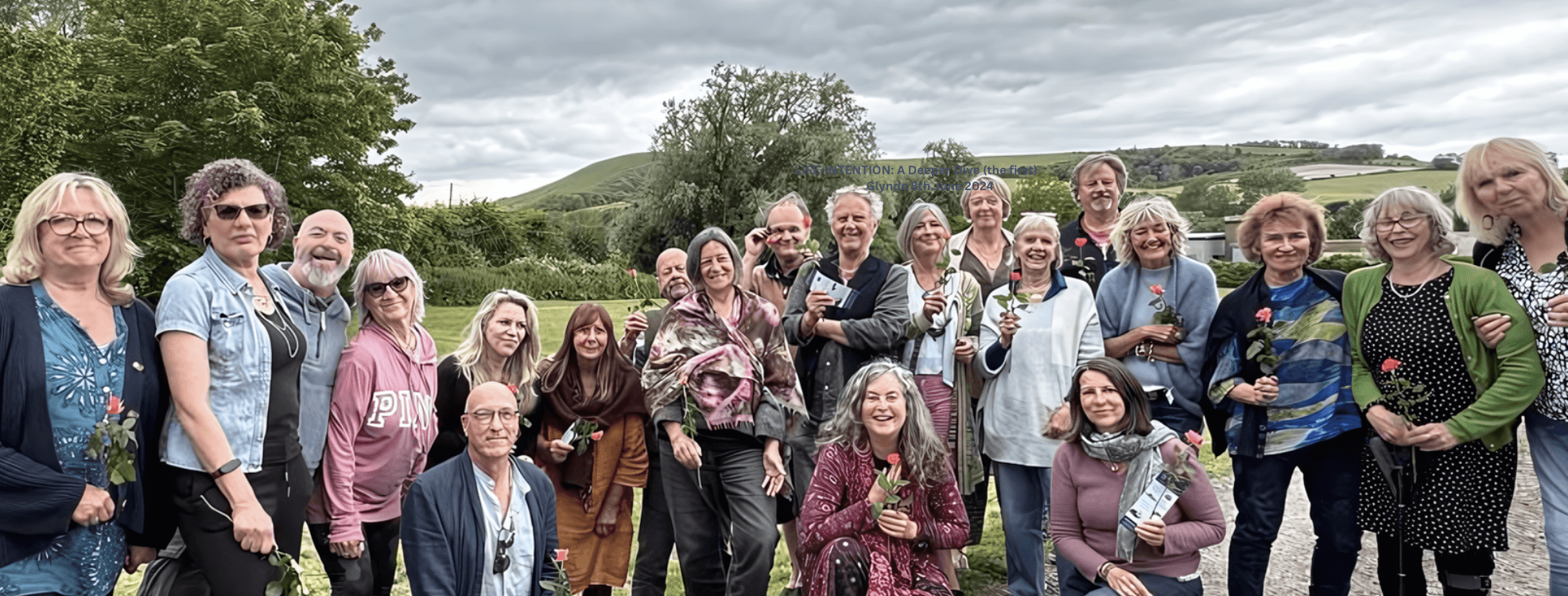
When Giuliana talks about making new friends, she’s careful to draw a line many of us overlook, that acquaintances are not friends, and they don’t become friends by chance. “An acquaintance can turn into a friend, but it takes a while,” she says, a reminder that often friendship is less a spark and more a slow burn. For her, that slow burn happens in structured settings, especially the Burraco club (and Italian card game) linked to the University of the Third Age. They gather to play cards, of course, but the real friendship-building happens in everything wrapped around the game, such as the pizzas after matches, the small tournaments, the unplanned stops on the drive home. “There is something that goes beyond the bare game,” she explains.
And it’s a pattern we’re seeing across countries and cultures, friendships tend to grow in places with repeated encounters, familiar rhythms and shared purpose. Not because everyone becomes inseparable, but because these small rituals give connection the time, and the space, it needs to take root.
The Friendships That Last: Practical Help as Emotional Anchor
Giuliana’s longest friendship began with a former colleague and slowly deepened as they navigated life’s harder chapters together. When she found herself overwhelmed by a problem she couldn’t untangle, this friend and her husband simply made room for her, talking things through until the weight felt a little lighter. “Sharing it with someone makes things very different,” she says. And what stays with her just as strongly are the small, practical gestures, help when her car tire went flat, a lift when she needed one, the reliability of people who show up without fuss.
These ordinary acts do something quietly profound, they give friendship a physical presence in the world. We often talk about emotional support in longer lives, but Giuliana’s story shows how inseparable it is from practical help. Sometimes the simplest action is the clearest sign that someone truly sees you.
“What makes friendship difficult is the person themselves, who doesn’t open up.....The world is there, it’s waiting for you, go and take it!”
The Real Barrier to Friendship Isn’t Out There, It’s In Us
This is where Giuliana says something that makes you stop. “What makes friendship difficult is the person themselves, who doesn’t open up,” she tells us. And then, with the blunt wisdom of experience, “The world is there, it’s waiting for you, go and take it!”
Giuliana shares her view another lens: friendship also asks something of us. At some point, we have to step outside, join the group, make the call, send the message. And in a longer-lived world, that mindset matters even more. If friendship is a renewable resource, we still have to turn the tap. Her words offer a gentle challenge to all of us, what might open up if we moved toward others, rather than waiting for them to move toward us?
Loneliness Happens, But Friends Help You See a Way Forward
Giuliana doesn’t romanticise friendship as a cure-all. She acknowledges moments of loneliness, but what stays with her is how friends helped her recover clarity when life felt heavy. “Seeing that they were ready to listen helped me move forward and find my own way out of the problem,” she says. Friendship doesn’t erase struggle, but it can steady us long enough to face it. And perhaps that’s a lesson for all of us imagining life in our 60s, 70s, 80s, 90s and beyond, the value of friendship isn’t in removing difficulty, but in making difficulty more manageable.
Why Intergenerational Friendship Didn’t Happen And Why That Matters
Most of Giuliana’s friendships have been with people her own age, not out of preference, but because the structures around her made it so. Schools keep generations apart, social groups gather people with similar life stages, and rural life offers few chances for cross-age encounters. It mirrors a wider European, and global, pattern where we often live parallel lives rather than shared ones. If we want societies that age well together, we need spaces where age isn’t a barrier but a bridge, where it becomes a feature of connection, not a filter.
Photography by Kateryna Hliznitso
Technology Helps As Long as We Use It Intentionally
Giuliana uses WhatsApp and other messaging apps regularly, mainly to stay updated and aware of what’s going on in her community. But she’s clear-eyed about their limits. “You have to keep them under control or they can take up your whole day,” she says. It’s a useful reminder that technology may open the door to connection, but it can’t do the connecting for us.
Her Vision for Friendship-Friendly Communities
Giuliana believes communities should create opportunities for people to meet and in her view, hers already does. But she’s clear that the responsibility doesn’t end there. “One must move and go looking for them,” she says. We often think of friendship as either a personal endeavour or something society should facilitate, but Giuliana sees it as both: communities can set the stage, yet people still have to step into it. Even in her imagined role as a “Minister of Togetherness,” her approach remains practical, support local groups, encourage shared interests, create spaces where people naturally cross paths. The rest, she trusts, will unfold when people show up often enough.
What Giuliana Helps Us See — and What Needs to Be Reimagined
Across our Global Conversation on Friendship, one theme keeps returning again and again — people want connection, but many still need support, or confidence, to pursue it. Giuliana’s story offers that encouragement, but it also reveals where innovation is still needed.
Her life in rural Friuli shows that friendship doesn’t hinge on age, geography or technology. It hinges on willingness, the willingness to show up, to be known, to offer help and accept it in return. But willingness develops more easily when the world around us makes participation feel possible.
Giuliana helps us see that we need more spaces where people of different ages meet naturally, more activities that make it easy to join in, and technology that supports engagement rather than replacing it. Communities can create opportunities, but people still have to step into them and good design can make that step smaller, simpler, less intimidating.
Her insight is a practical one: friendship grows when the environment helps people move toward each other. And she leaves us with a reminder that applies to all of us, whatever our age or setting, “The world is there, it’s waiting for you, go and take it.”

 &
& 
 Italiano