Within this partnership, something important has shifted. Rather than studying the problem from a distance, researchers invited citizens in from day one, treating lived experience as the foundation of the work, not the final check. At the heart of this involvement are our Voice members, a diverse community of people of all ages who share their real-life experiences to shape research and innovation. We spoke to Megan about what it means to work alongside Voice members, and how this approach is already reshaping the future of care in ways no report ever could.
In a society where many of us will spend three or four decades as older adults, today’s workforce pressures will shape tomorrow’s ageing.
Why Workforce Research Is Really About Longevity
The NHS workforce crisis is often told in statistics, such as 106,000 vacancies in secondary care, 131,000 in social care. But numbers rarely tell us what this means for the lives we hope to live.
In a society where many of us will spend three or four decades as older adults, today’s workforce pressures will shape tomorrow’s ageing. Whether it’s the GP team you rely on first, the receptionist who helps you navigate appointments, or the handover between GP care and hospital care, these are the parts of the system that support us at every stage of life, and more often, as we grow older.
Across the partnership, one thing quickly became clear, the challenges raised by Voice members weren’t theoretical. They were real experiences of navigating GP surgeries, hospitals and community services, the places where many of us in the UK will rely on the NHS most as we grow older.
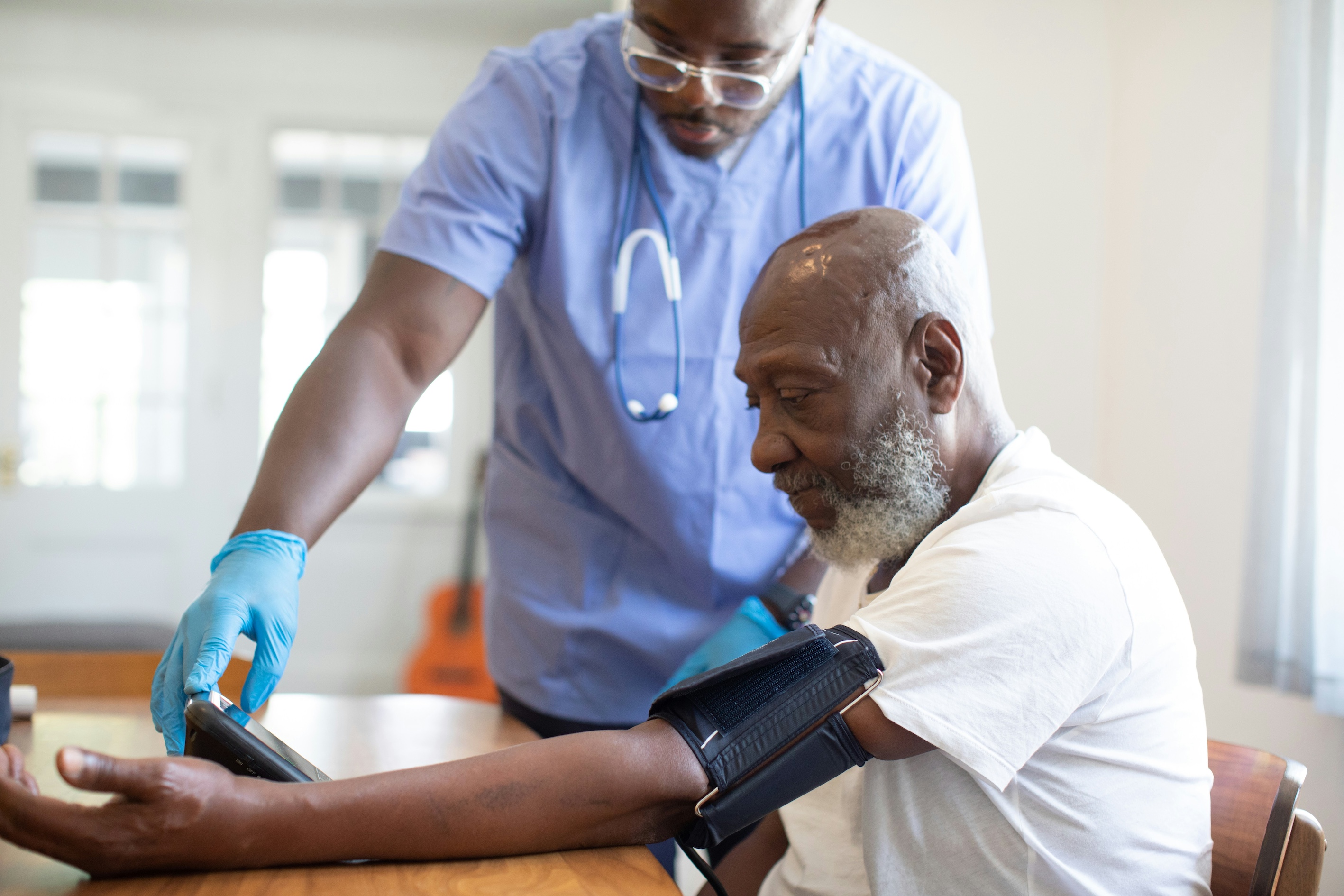
Photography by Getty Images on Unsplash
When Lived Experience Leads, Research Changes Shape
From the very first planning sessions, Voice members were not simply consulted, they were embedded into the programme. Their insights shaped the questions, the methods, and priorities. What began as a research proposal evolved into a genuine partnership between researchers, healthcare staff and citizens. A partnership designed not only to diagnose what is going wrong, but to imagine what must change if the NHS is to thrive across the next fifty years.
Voice member John captured this shift in one sentence, “Seeing our voices valued and translated into action has been both affirming and inspiring.” His words point show the power of when people are invited to share the reality of how they live, care and age, the system learns in ways it simply can’t from data alone.
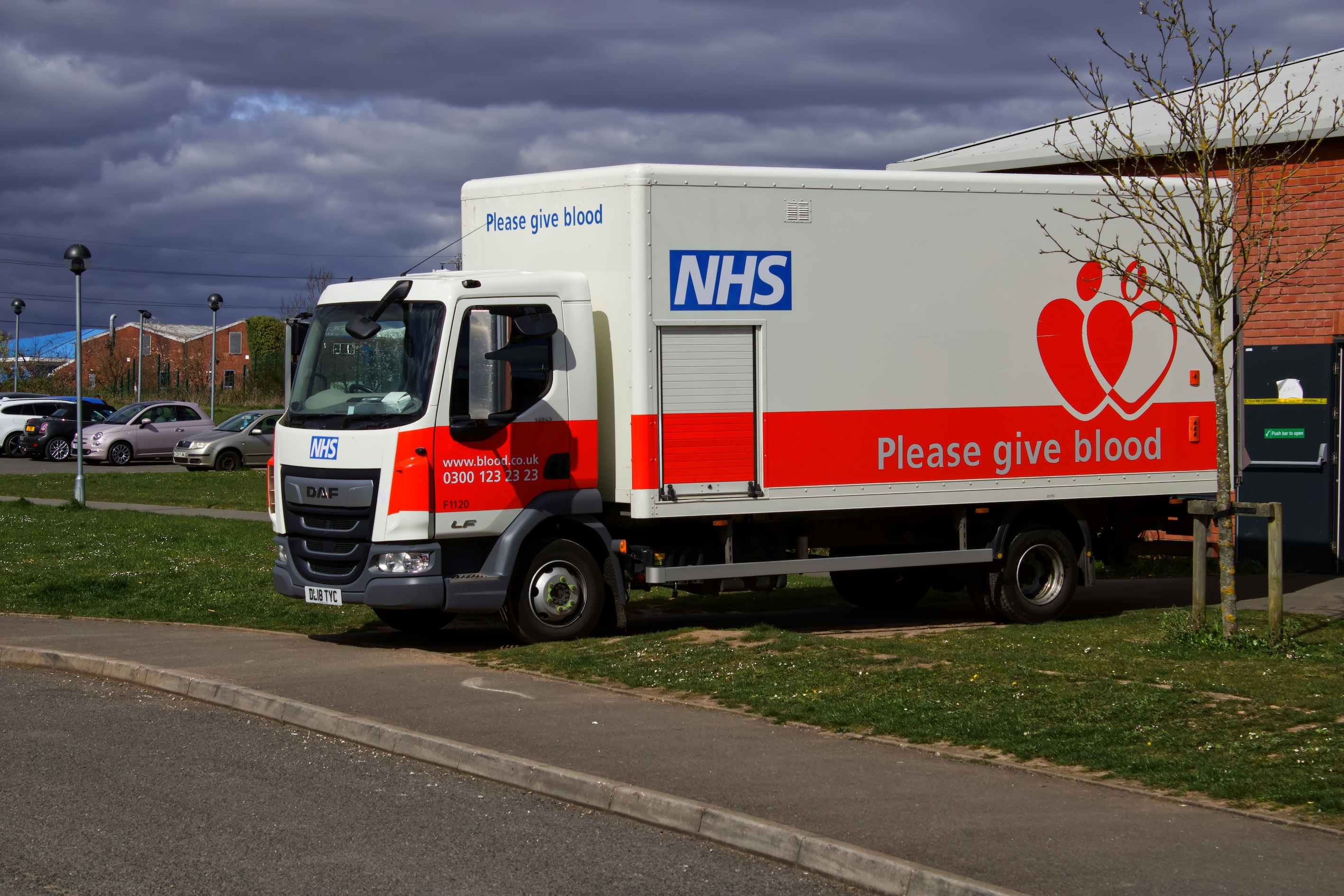
Photography by Getty Images on Unsplash
What People Tell Us Changes Everything
Year-one research priorities emerged directly from lived experience. Voice members highlighted the pressures faced by GP receptionists , often the invisible glue of general practice. Others raised concerns about communication breakdowns between primary and secondary care, or the particular challenges of accessing rural health services.
These aren’t abstract policy problems. They are the friction points that shape how any of us might age, well or poorly, in the decades ahead. As one of the programme co-lead Dr Bryan Burford says, “We’re improving the system so that people want to work in it.” And a system that people want to work in is one that people can trust as they grow older.
Listening to the public strengthens that backbone, helping build a system capable of supporting an ageing society.
Curiosity Opens New Doors
For researcher Megan Brown, working alongside Voice members has shaped not only what she studies, but how she approaches her work more broadly. Across different projects, including her fellowship research, their input has encouraged her to think more creatively about how people are invited to share their experiences.
In one strand of her work, Megan initially assumed participants would prefer written interviews. Instead, Voice members suggested creative approaches such poetry, drawing and other forms of artistic expression, as ways to share experiences that can be difficult or emotional. “I hadn’t considered that at all,” Megan told us. “But it made the research more accessible, more human, and more empowering.”
Because she listened, Megan built professional artist support into her fellowship funding application. It was a small change, but one that widened who could take part, and how opening the door to voices that might otherwise have been missed.
The Strength of the ‘Critical Friend’
Voice members played another vital role, the role of the critical friend. Supportive, but unafraid to challenge. Curious, but grounded in real life. They questioned jargon-heavy graphics. They pushed back on tokenistic recruitment. They steered language toward clarity and humanity. Most importantly, they kept patient experience at the centre, even in research focused on the workforce. This kind of challenge is rare and invaluable. It strengthens not only the research, but the relationships at the heart of the work.
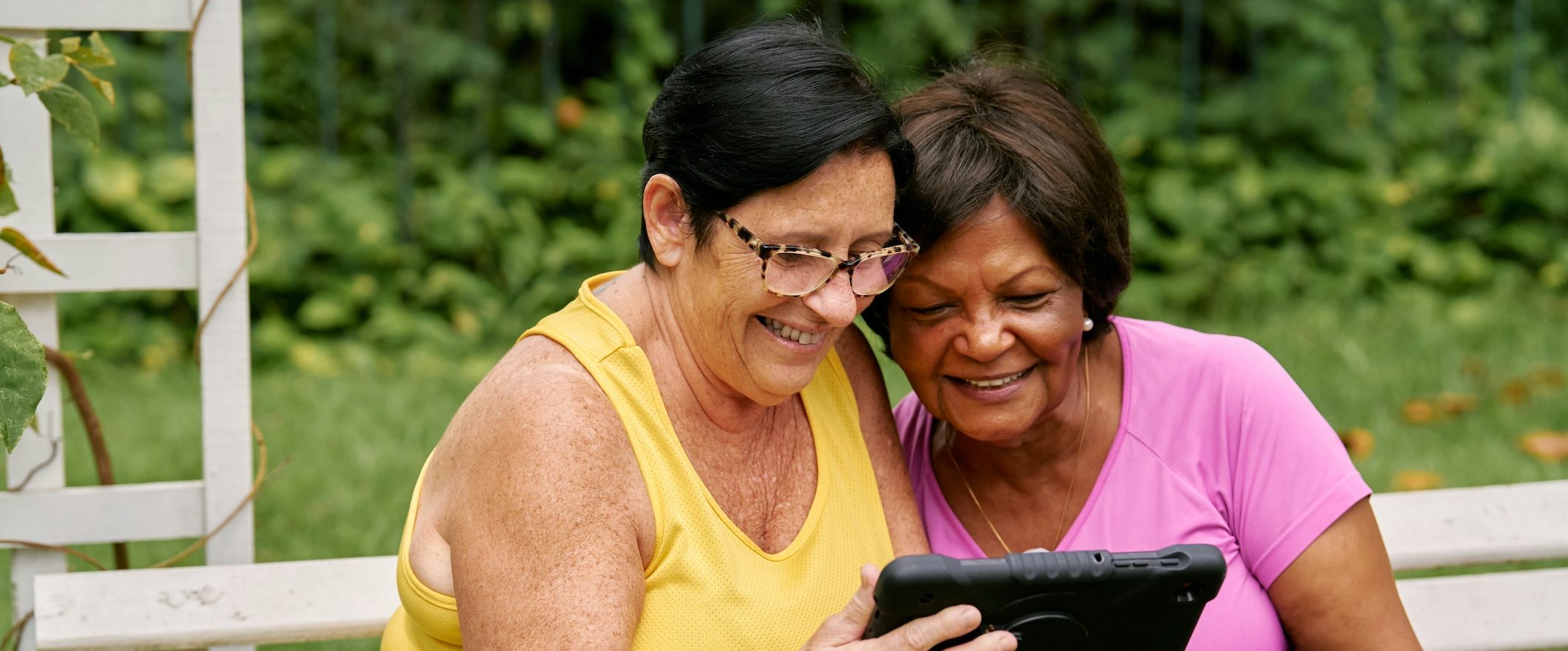
Photography by Adam Mills
Local Voices in a National Effort
Across the next five years, Voice panels will continue to guide the partnership, shaping engagement, refining priorities and co-designing solutions that work in real clinical settings. Listening to the public strengthens that backbone, helping build a system capable of supporting an ageing society.
If the NHS truly started listening, deeply, consistently, courageously, this is what it could look like, a health service built not only for us, but with us, ready to hold the full sweep of our longer lives.
The NHS We’ll Grow Old With
The story of this partnership isn’t just about workforce research. It’s about a cultural shift, a recognition that systems designed for long lives must learn from long lives. It shows what becomes possible when researchers ask better questions, and when citizens are invited to answer them honestly.
Megan put it best, “Start early, be open, be honest and let patients and the public guide you. Their experience is the expertise we cannot do without.”
If the NHS truly started listening, deeply, consistently, courageously, this is what it could look like, a health service built not only for us, but with us, ready to hold the full sweep of our longer lives.
We’ll keep returning to this work as it evolves, following how lived experience helps build an NHS ready for longer, more complex lives.
Read more about the Workforce Voices project here.

 &
&