“If you get the marketing bit wrong… all the rest of the work goes down the drain.”
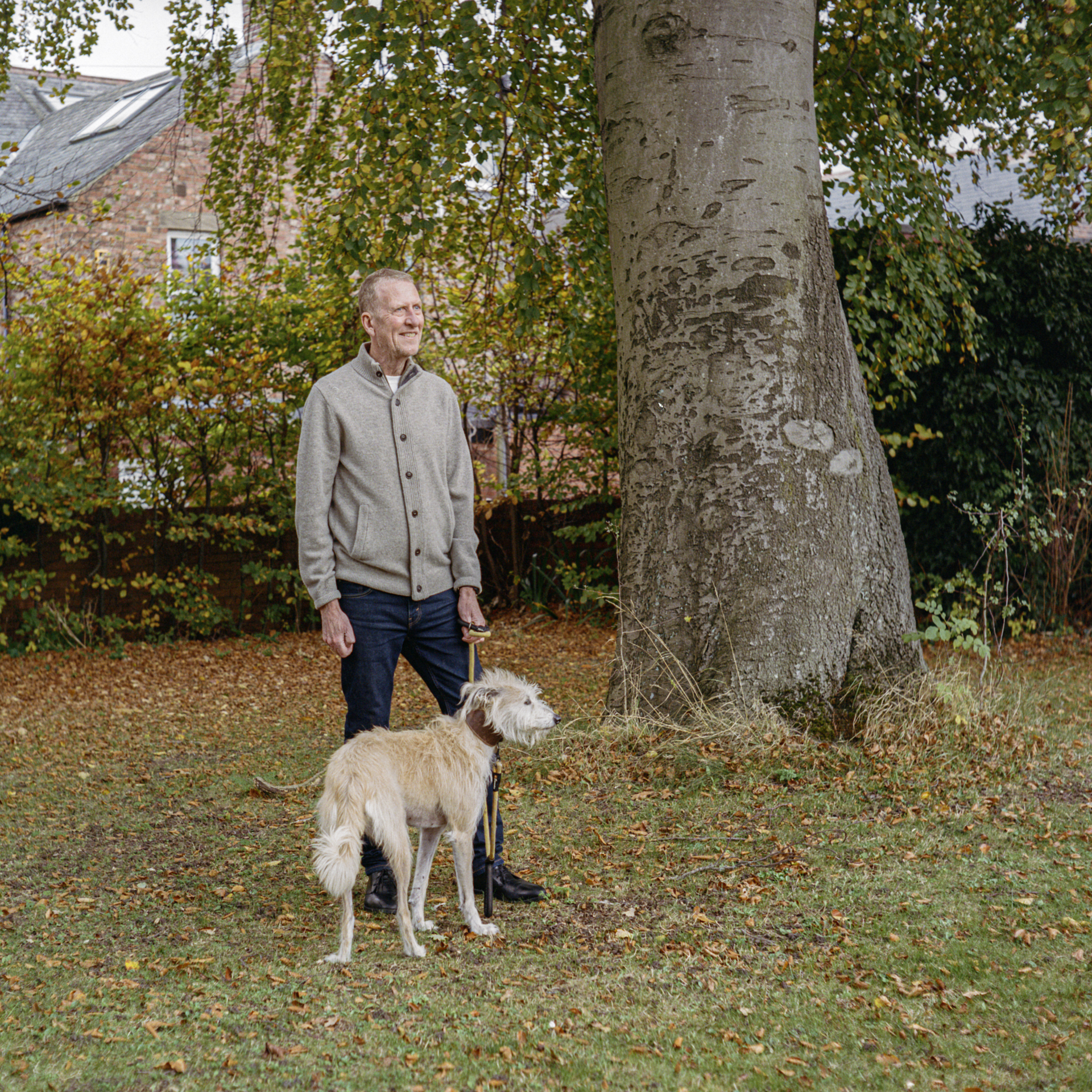
Mike is 67 and lives in the North East of England. He spent almost 25 years at IBM before returning to Newcastle University to help set up what became the National Innovation Centre for Ageing. Now retired, he is once again part of Voice®, the citizen innovation community aimed at highlighting the insights of older citizens, something he helped to create.
“I’ve taken my own medicine,” he says. Being part of Voice allows him to stay connected while ensuring “my voice is heard… in the same way that we designed Voice to give lots of older people their voice.”
For Mike, that voice matters. “If you get the marketing bit wrong… all the rest of the work goes down the drain.” When it comes to advertising, however, he is clear. “I don’t think adverts hit me very well.” He “hardly ever” sees an advert that prompts action, unless it is something direct, “relevent sale… where you can get a bargain.” Otherwise, his decisions are shaped by his own needs, values and research.
That said, his relationship with marketing is more complex than it first appears. While he avoids most social media, he later reflected that tools like Google feed do expose him to new products and services and “probably influence me more than I realise.”
His priorities have shifted over time. “When I was younger… music and fashion… had more of an impact.” Now, he is “less interested in fashionable things” and more interested in “stylish things which are sustainable and last a long time.”
Photography by Ian O'Donnell
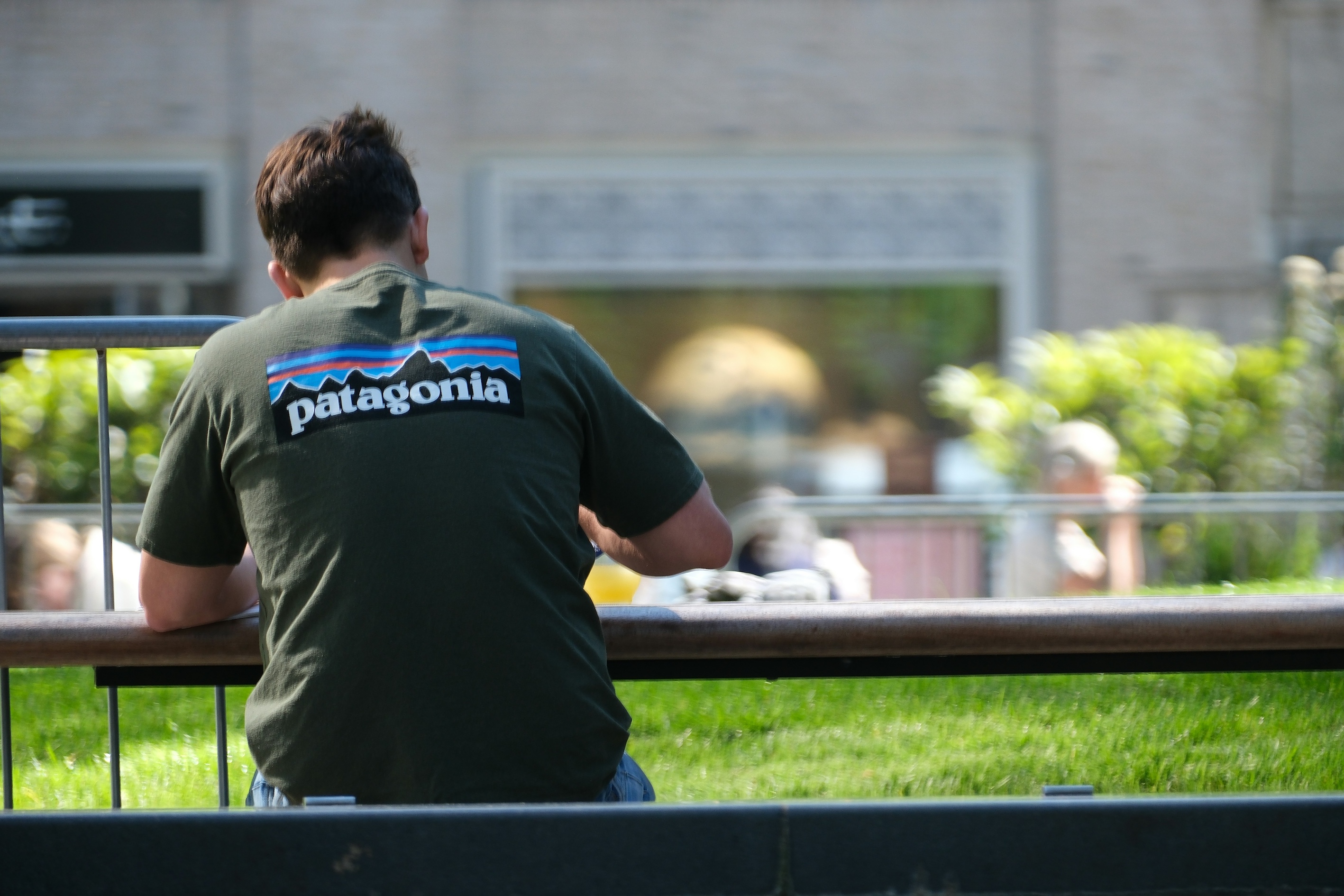
He points to brands like Patagonia, Clarks Orignials, Finisterre and BBC6 Music, products that combine quality, durability and values. “I’m willing to pay more money,” he says, but only when it feels justified. At the same time, he is careful. “I’ve got enough stuff,” he says. There is no urgency to buy. Instead, he waits until something that fits his “likes and dislikes” comes in at “the right price.” “I like to have my cake and eat it,” he says, describing how he spots good brands and buys them later at a discount. He is a “logical and analytical” buyer, someone who checks, compares and thinks before purchasing. That mindset, he admits, makes him “a marketing challenge.”
“Age as a number is a very blunt measure....you’re talking about people from the age of 50 through to over 90… it’s so individual and so different.”
For Mike, the issue is not just advertising, but how the industry understands people like him. “Age as a number is a very blunt measure,” he says. “You’re talking about people from the age of 50 through to over 90… it’s so individual and so different.” What matters more are values, needs and interests. He gives the example of buying walking gear, where a younger assistant guided him perfectly. “That was an experienced climber sharing his knowledge with me., age didn’t matter.”
That said, he is thoughtful about representation. “If I saw someone in their mid to late 50s… I’d feel close enough in age and image to think, oh, that could be right for me.” He adds that it can be compelling to “imagine yourself a bit younger,” as long as “the age gap isn’t too big.” He laughs at the contradiction, calling it “very hypocritical but we all have egos.”
When advertising does work, it is rarely direct. He mentions Airbnb campaigns that felt “very aspirational,” where the places and older people were “beautiful,” and the focus was more on feeling than selling. “It wasn’t selling the product too strongly… it was selling a feel.” Humour works too. Specsavers, he says, is “very clever.” “Humour works really well… it catches people’s imagination.”
Photography by Piotr Chicosz
By contrast, he is clear about what does not work. Daytime TV adverts are “cringe worthy,” “stereotyped” and “condescending.” Funeral adverts that become “over jolly” feel particularly wrong. “It just turns me off completely.”
Mike is also selective about where he encounters advertising. He avoids most social media. “I was already getting overwhelmed,” he says. Even now, he feels there is “too much noise.” Instead, he relies on trusted sources. Word of mouth matters: “people with similar interests… I trust their views.” He also values individuals like Martin Lewis, Amol Rajan and Patrick Grant, people he sees as credible and aligned with his values. Even then, he does not take things at face value. “I would use it as a guide and then… do my own research.”
“The way to make the adverts… better is for them to be more perfectly co-produced with the people they’re aimed at.”
That research has recently changed. Mike describes AI as his new “superpower.” Tools like ChatGPT allow him to do in minutes what would previously have taken “30 or 40 Google searches.” He uses it to compare products, plan holidays and even write complaint letters but still applies his own judgement. “I still do my own check and balance.”
Perhaps the biggest shift is not just how he buys, but what he values. “Maybe I’m more interested in buying services than products… experiences rather than products.” He talks about walking with the Ramblers and taking a guided trip to India, experiences that offer “socialisation, variety and exercise,” as well as ease and confidence.
When asked whether brands understand men like him, he is cautious. “I don’t think adverts hit me,” he says. The challenge, he suggests, is not simple. It is about avoiding stereotypes and recognising individuality.
For Mike, the answer is clear. “The way to make the adverts… better is for them to be more perfectly co-produced with the people they’re aimed at.” Because in this space, “it’s the nuance of things.” “The wrong word, the wrong picture… can just totally destroy it.”

 &
&